
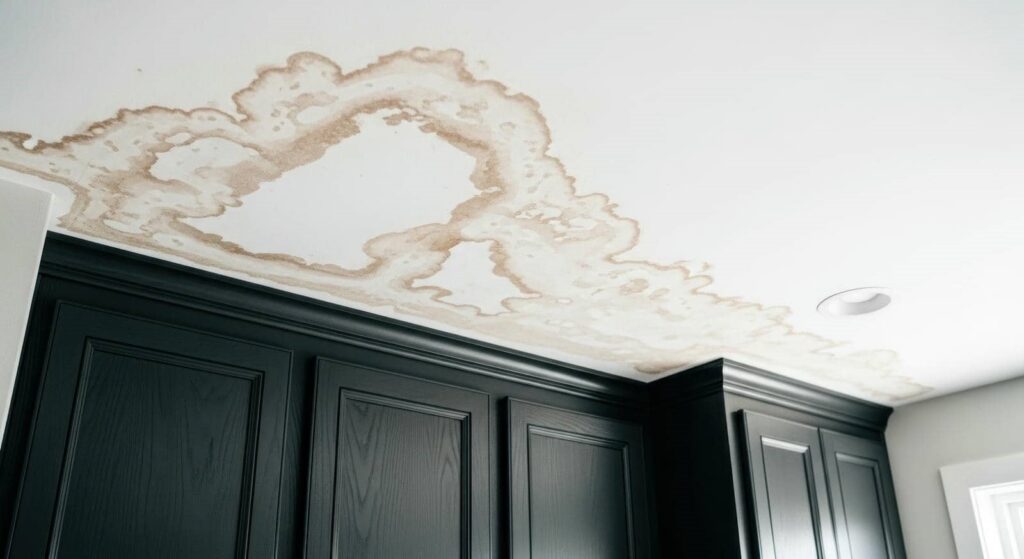
When a ceiling leak occurs, you’re faced with immediate challenges that can escalate if not addressed promptly. You’ll need to assess the damage repair to your ceilings, walls, and floors, determining moisture levels and structural integrity. Understanding the root causes of these leaks is vital. As you navigate the repair process, knowing when to call professionals can make all the difference in restoration success. Let’s explore the essential steps you should take next.
Key Takeaways
- Expect an initial assessment to determine the extent of damage and necessary repairs after a ceiling leak.
- Repairs may involve replacing damaged drywall, insulation, or flooring affected by water exposure.
- Professional services will address underlying issues, such as plumbing or roof repairs, to prevent future leaks.
- Expect thorough cleaning and disinfecting to remove mold and prevent health hazards from moisture.
- Be prepared for potential insurance claims, as professionals can assist in documenting damage and submitting claims.
Initial Steps to Take After Discovering a Leak
When you discover a leak in your ceiling, the first step is to act quickly. Turn off the water supply immediately to prevent further damage.
Next, assess the situation by checking for water pooling or stains on the ceiling and walls. If it’s safe, use buckets or towels to catch dripping water.
Document the damage with photos for insurance claims and water damage repair after ceiling leak assessments.
Once you’ve contained the leak, contact a professional to evaluate structural integrity and initiate repairs.
Why Do Ceiling Leaks Happen?
Ceiling leaks often occur due to a variety of factors, primarily stemming from plumbing issues, roof damage, or condensation.
Plumbing leaks can arise from corroded pipes, loose fittings, or damaged seals, allowing water to seep into your ceiling.
Roof damage, such as missing shingles or punctures, exposes your home to rain and moisture, leading to leaks.
Additionally, condensation occurs when warm, humid air meets cold surfaces, causing water to collect and potentially drip through your ceiling.
Understanding these causes can help you identify potential risks in your home.
Regular maintenance and inspections can mitigate these issues, ensuring you maintain a safe and comfortable living environment.
Taking proactive steps now will save you time and stress later.
How to Assess Damage From Ceiling Leaks?
Identifying the extent of damage from a ceiling leak requires a systematic approach. Start by checking visible signs and hidden areas to gauge the impact. Follow these steps:
- Inspect the Ceiling: Look for discoloration, sagging, or peeling paint; these indicate moisture accumulation.
- Examine Walls: Check for water stains or damage on adjacent walls, as leaks can spread.
- Assess Flooring: Investigate if moisture has penetrated the floor; warped boards or damp carpets signal further issues.
- Evaluate Structural Integrity: Confirm beams and joists are unaffected; compromised structures can lead to more significant problems.
Top Techniques for Cleaning Up Water Damage
Effective water damage cleanup involves several key techniques to restore your space efficiently.
First, you’ll need to assess the extent of the damage and remove any standing water using a wet/dry vacuum.
Next, guarantee proper ventilation by opening windows and using fans to promote air circulation.
Dehumidifiers can help reduce moisture levels, preventing mold growth.
Inspect materials like drywall and insulation; if they’re saturated, you may need to replace them to avoid further issues.
Clean and disinfect surfaces with a mixture of water and a mild detergent to eliminate contaminants.
Finally, monitor the area for signs of mold or lingering moisture, as these can lead to serious health risks.
Staying proactive is essential for a successful recovery.
When to Call in Professional Repair Services?
When evaluating water damage from a ceiling leak, you need to recognize signs of severe damage, such as sagging or discoloration.
If you face health and safety risks, like mold growth or structural instability, it’s essential to seek professional help.
Additionally, professionals can assist with managing insurance claims, ensuring you receive the coverage you deserve.
Signs of Severe Damage
As you assess the aftermath of a ceiling leak, recognizing the signs of severe damage is essential for preventing further complications.
If you notice any of the following indicators, it’s time to call in professional repair services:
- Sagging Ceilings: A noticeable dip or bulge indicates trapped moisture.
- Extensive Staining: Dark water stains that spread beyond the initial leak point suggest deeper issues.
- Mold Growth: If you see mold, it’s a clear sign of prolonged moisture exposure, which requires immediate attention.
- Cracking or Peeling Paint: This can indicate underlying water damage that needs professional evaluation.
Addressing these signs promptly can save you time and money, ensuring your home remains safe and structurally sound.
Health and Safety Risks
Ignoring the signs of severe damage from a ceiling leak can lead to significant health and safety risks. Mold growth is one of the primary concerns, as it can trigger allergies and respiratory issues.
Prolonged exposure to damp materials can also weaken structural integrity, increasing the risk of collapse. If you notice persistent moisture or discoloration, it’s essential to act quickly.
You mightn’t have the tools or expertise to handle potential electrical hazards associated with water damage. Moreover, hidden leaks can escalate into more severe issues if left unaddressed.
If you’re unsure about the extent of the damage or feel overwhelmed, it’s wise to call in professional repair services to guarantee a thorough and safe restoration process.
Insurance Claim Assistance
Understanding your insurance policy is essential, especially after experiencing a ceiling leak. Knowing when to call in professional repair services can help streamline your claims process.
Here are four key points to take into account:
- Document the Damage: Take photos and notes of the affected areas immediately.
- Review Your Coverage: Check what water damage is covered under your policy.
- Notify Your Insurer: Report the leak as soon as possible to avoid delays.
- Get Professional Estimates: Hire certified professionals for damage assessments to support your claim.
How to Prevent Ceiling Leaks
To effectively prevent ceiling leaks, regular maintenance and prompt attention to potential issues are essential.
Start by inspecting your roof for missing or damaged shingles, as these can lead to water intrusion. Keep gutters clean and free of debris to guarantee proper drainage.
Inside, check plumbing fixtures and pipes for leaks; even small drips can cause significant damage over time. Additionally, monitor your attic for moisture buildup, which may indicate ventilation issues.
Make certain insulation is properly installed to regulate temperature and prevent condensation.
Finally, if you notice any stains or discoloration on your ceiling, address them immediately to avoid further complications.
Frequently Asked Questions
How Long Does It Take to Repair Water Damage From a Ceiling Leak?
Repairing water damage from a ceiling leak typically takes one to two weeks, depending on the extent of the damage.
You’ll need to assess the area, remove affected materials, and allow everything to dry thoroughly.
If structural repairs or mold remediation are necessary, it could extend the timeline.
Staying proactive and communicating with your repair team guarantees you’re informed at every step, helping you feel more in control during the process.
Will My Insurance Cover the Cost of Ceiling Leak Repairs?
Yes, your insurance might cover the cost of ceiling leak repairs, but it depends on your policy.
Imagine a safety net catching you as unexpected expenses arise. Most homeowners’ policies include water damage coverage, especially if it stems from sudden incidents, like a burst pipe.
However, if the leak results from neglect, you might face out-of-pocket costs. Always check your policy details and consult your insurer to clarify your coverage options.
Can I Live in My Home During the Repair Process?
You can often live in your home during the repair process, but it depends on the extent of the damage.
If it’s minimal, you might stay with little disruption. However, if significant work is needed—like removing drywall or addressing mold—you might need to vacate temporarily for safety and comfort.
Communicate with your contractor to understand timelines and necessary precautions, ensuring you feel secure and informed throughout the process.
What Materials Are Best for Ceiling Repairs After Water Damage?
For ceiling repairs after water damage, you’ll want to use materials that sound as inviting as a cozy blanket, yet they’re anything but.
Opt for moisture-resistant drywall, which can withstand future leaks, and consider using a mold-resistant primer and paint to combat unwanted guests.
Fiberglass insulation is also a great choice, providing both durability and thermal efficiency.
How Can I Tell if Mold Is Developing After a Leak?
You can tell if mold is developing after a leak by checking for discoloration, usually black, green, or white patches on the ceiling.
Look for a musty odor, which often indicates mold growth.
Inspect for water stains or bubbles in the paint or drywall, as these can signal moisture retention.
If you notice any of these signs, it’s essential to address the issue promptly to prevent further damage and health risks.
Final Thoughts
In the aftermath of a ceiling leak, swift action is your best ally. By evaluating damage, addressing underlying issues, and cleaning thoroughly, you can restore your home to its former glory. Remember, like a forgotten melody, the echoes of water damage linger if left unchecked. Don’t hesitate to call in professionals when needed; their expertise can turn your home back into a sanctuary. With the right steps, you can prevent future leaks and safeguard your space.