
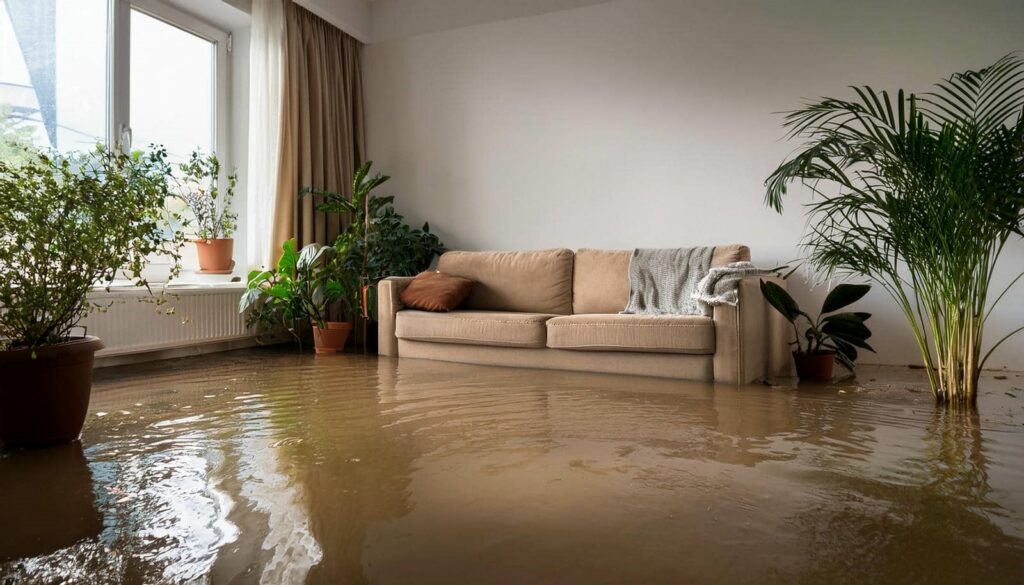
When your basement floods, understanding the restoration process is essential. You need to start by ensuring safety, especially with electricity. Then, evaluating the damage is key to determining the type of water involved. The right tools and techniques can make all the difference in effective removal and drying, especially when handling water damage restoration for flooded basement situations. But how do you identify the best methods? Exploring the steps involved can help you tackle this challenging situation effectively.
Key Takeaways
- Ensure safety by turning off electricity in flooded areas before starting the restoration process.
- Remove standing water using high-capacity sump pumps and industrial wet/dry vacuums.
- Inspect for structural damage and remove affected materials like drywall and insulation.
- Use dehumidifiers and air movers to thoroughly dry out the space and prevent mold growth.
- Clean and disinfect all surfaces to eliminate contaminants and prepare for repairs.
What Causes Water Damage and How to Identify It Early?
When you notice unexplained dampness in your home, it’s vital to act quickly, as water damage can stem from various sources, including burst pipes, roof leaks, or even appliance malfunctions.
Identifying these issues early can save you considerable time and money. Look for water stains on walls or ceilings, musty odors, or increased humidity levels.
Inspect your basement regularly, as it’s often the first area affected. If you find pooling water or damp spots, it’s important to start water damage restoration for flooded basements immediately.
Ignoring these signs can lead to mold growth and structural damage. Taking prompt action ensures a safer living environment and protects your home’s value, fostering a sense of belonging and security in your space.
Initial Steps for Assessing Flooded Basements
Before diving into water damage restoration, you need to assess the situation in your flooded basement thoroughly.
Start by ensuring your safety; turn off the electricity to prevent shock hazards. Once it’s safe, inspect the water level and identify its source. Is it clear, gray, or black water? Each type requires different handling.
Check for structural damage, like sagging walls or ceilings, and document everything with photos for insurance. Don’t forget to look for mold growth, which can develop quickly.
Finally, note any valuable items that may be at risk. This assessment will guide your next steps and help you prioritize your restoration efforts effectively, ensuring a thorough approach to returning your basement to its original state.
Essential Tools for Effective Water Damage Restoration
Effective water damage restoration hinges on having the right tools at your disposal.
To start, a high-capacity sump pump is essential for removing standing water quickly. You’ll also need industrial-grade wet/dry vacuums to tackle smaller areas and debris.
Moisture meters help you identify hidden damp spots, ensuring nothing is overlooked. Dehumidifiers are vital for reducing humidity levels, preventing mold growth.
Additionally, air movers accelerate the drying process by circulating air effectively. For safety, wear protective gear, including gloves and masks.
Finally, keep a thorough toolkit handy, including wrenches and pliers, for any necessary repairs.
A Step-by-Step Guide to Water Damage Restoration
Once you’ve gathered the right tools for water damage restoration, it’s time to implement a systematic approach.
First, ensure safety by disconnecting electrical power in the affected area. Next, remove standing water using pumps and wet vacuums. After that, remove damaged materials like drywall and insulation to prevent mold growth.
Once the area is clear, set up dehumidifiers and fans to dry the space thoroughly. Monitor humidity levels to ensure they drop below 60%.
After drying, clean and disinfect surfaces to eliminate contaminants. Finally, assess the area for any structural damage and make necessary repairs.
Following these steps helps restore your basement and fosters a sense of community, knowing you’re equipped to handle such challenges.
How to Prevent Future Flooding in Your Basement
While you can’t control the weather, there are several proactive measures you can take to prevent future flooding in your basement.
Start by inspecting and maintaining your gutters and downspouts; make sure they channel water away from your foundation.
Install window well covers to keep rain and debris out.
Consider waterproofing your basement walls with a sealant to prevent seepage.
Additionally, check for cracks in your foundation and repair them promptly.
Investing in a sump pump can be vital; it actively removes water accumulation.
Finally, landscape your yard with proper grading, directing water flow away from your home.
When to Call Professionals for Water Damage Restoration?
If you notice signs of severe damage, like warped walls or persistent mold growth, it’s essential to call professionals immediately.
Ignoring these indicators can lead to significant health risks, including respiratory issues.
Addressing water damage swiftly ensures a safer environment and minimizes further structural harm.
Signs Of Severe Damage
Recognizing the signs of severe water damage is vital for timely intervention and effective restoration. Watch for visible mold growth, as it indicates prolonged moisture exposure.
Peeling paint or wallpaper can signal underlying water issues, while warped or buckled floors often suggest significant structural concerns. Check for musty odors—these scents often hint at hidden dampness.
If you notice water stains on walls or ceilings, it’s important to investigate further. Additionally, if your basement feels unusually damp or you see pooling water, don’t hesitate to act.
These signs mean it’s time to call professionals for water damage restoration. Prompt action mitigates damage and helps ensure a safe and healthy environment for you and your loved ones.
Health Risks Involved
Ignoring the signs of severe water damage can lead to significant health risks. When you’re faced with flooding, it’s essential to recognize when to call professionals.
Here are four key health concerns to keep in mind:
Mold Growth: Mold can develop within 24-48 hours, posing respiratory issues.
Bacterial Contamination: Standing water can harbor harmful bacteria, increasing infection risks.
Structural Hazards: Water can weaken structural integrity, leading to potential accidents.
Chemical Exposure: Floodwaters may contain hazardous materials, which can affect your health.
If you notice these issues, don’t hesitate to reach out to restoration experts.
Your well-being should always come first, and professionals can ensure a safe, thorough restoration process.
Top Mistakes in Water Damage Restoration
Have you ever considered how easily mistakes can slip into water damage restoration? One common error is neglecting to fully assess the damage before starting the cleanup. Skipping this step can lead to hidden moisture, which fosters mold growth.
Another mistake is using inadequate drying equipment; without proper tools, you might leave pockets of water that can cause long-term issues. Additionally, failing to document the restoration process can hinder insurance claims and future repairs.
Not prioritizing safety measures, like wearing protective gear, can expose you to harmful contaminants. Finally, overlooking structural damage can compromise the integrity of your home.
Avoiding these pitfalls ensures a more effective and thorough restoration, keeping your home safe and sound.
Why Acting Fast on Water Damage Matters?
When water damage occurs, acting quickly can greatly reduce the extent of the destruction and the costs associated with repairs. Here’s why prompt action is essential:
Minimized Structural Damage: Fast intervention prevents further deterioration of walls, floors, and foundations.
Reduced Mold Growth: Mold can start developing within 24-48 hours, so immediate action is critical.
Lower Repair Costs: The longer you wait, the more extensive the damage becomes, leading to higher expenses.
Preservation of Belongings: Quick responses help salvage personal items, minimizing loss.
Frequently Asked Questions
How Long Does Water Damage Restoration Typically Take?
Water damage restoration typically takes between 3 to 7 days, depending on the extent of the damage and the materials affected.
You’ll want to assess the situation quickly, as faster action usually leads to better outcomes.
Factors like drying equipment efficiency, structural damage, and mold prevention play significant roles in the timeline.
Communicating with professionals can help you understand the specific needs of your property, ensuring a thorough and timely restoration process.
Will My Insurance Cover Water Damage Restoration Costs?
Whether your insurance covers water damage restoration costs depends on your policy.
Most homeowners insurance policies include coverage for sudden and accidental water damage, like burst pipes, but may exclude flooding from natural disasters.
You should check your policy’s specific terms and conditions.
It’s also wise to consult your insurance agent to clarify what’s covered and confirm you’re fully protected.
Taking these steps can help you manage potential restoration costs effectively.
Can I Stay in My Home During Restoration?
You might be able to stay in your home during restoration, but it depends on the extent of the damage.
If the area is safe and the work is manageable, you can remain. However, expect noise, dust, and potential disruptions.
If there’s structural damage or mold, it’s safer to vacate.
Consult with the restoration team for their recommendations, as they’ll assess the situation and prioritize your safety and comfort.
What Health Risks Are Associated With Water Damage?
Water damage can pose serious health hazards.
Mold and mildew thrive in damp environments, leading to respiratory issues and allergic reactions. Contaminated water can carry bacteria and viruses, increasing the risk of infections.
You might also face structural dangers, like weakened foundations, putting you at risk for physical injuries.
Staying vigilant and addressing water damage promptly can protect your health and home, keeping your living space safe and sound for everyone.
How Can I Choose a Reliable Restoration Company?
To choose a reliable restoration company, start by researching local options and reading customer reviews.
Check their certifications and confirm they’ve experience in water damage restoration.
Ask about their insurance and warranties for peace of mind.
Request detailed estimates and compare services offered.
It’s also wise to inquire about their response time, as quick action is essential in mitigating damage.
Finally, trust your instincts—choose a company that communicates clearly and professionally.
Summary
Effective water damage restoration is essential for maintaining a safe and healthy basement environment. By acting quickly and following the outlined steps—like evaluating damage, removing water, and drying out the space—you can minimize long-term impacts. Remember, prevention and prompt action are key. When in doubt, don’t hesitate to call in professionals to ensure thorough restoration and protection against future flooding.