
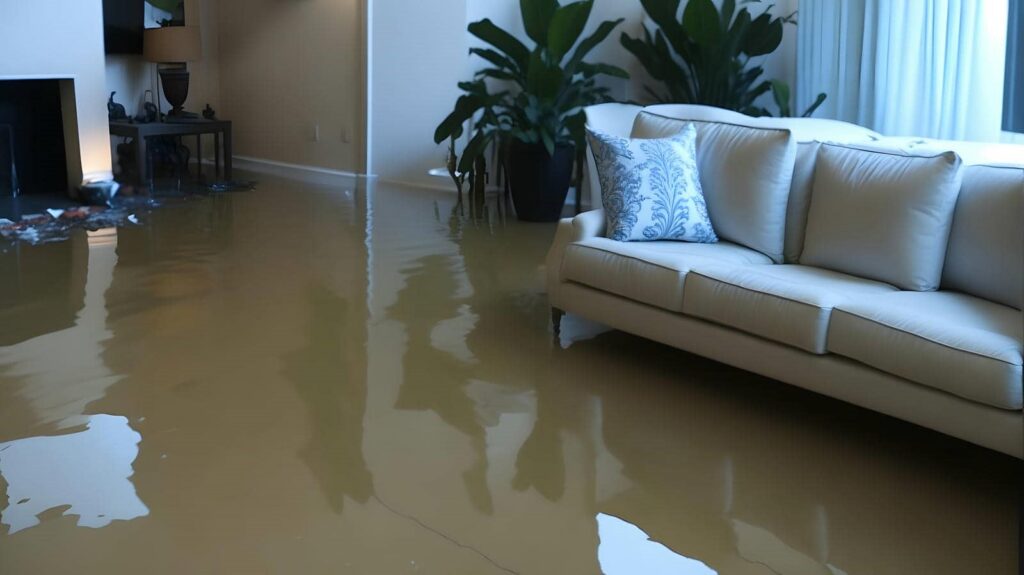
When water damage occurs, your immediate water damage restoration can greatly influence the restoration process. Knowing what steps to take right away—like turning off electricity and stopping leaks—can prevent further issues. You’ll also need to understand the types of water damage and how to assess its extent. Before you tackle DIY restoration, it’s essential to evaluate when professional help is necessary. Let’s explore these important steps to ensure your property is protected and restored effectively.
Key Takeaways
- Immediately turn off electricity and stop the water source to ensure safety and prevent further damage.
- Identify and document all affected areas, noting visible signs of damage for restoration planning.
- Use fans and dehumidifiers to thoroughly dry out the space and prevent mold growth.
- Consider professional restoration services for expertise in assessment, drying, and mold remediation.
- Implement long-term prevention strategies, like regular inspections and proper grading, to avoid future water damage.
What to Do Immediately After Water Damage
When water damage strikes, act quickly to mitigate further issues. First, ensure your safety by turning off electricity in affected areas.
Next, stop the source of water; whether it’s a leak or flooding, swift action is vital. Remove valuable items and furniture from the affected area to prevent additional damage.
Use towels or mops to soak up excess water, and open windows to promote airflow. If possible, utilize fans or dehumidifiers to expedite drying.
Document the damage with photos for insurance purposes.
Once immediate actions are taken, reach out to professionals specializing in water damage restoration. Their expertise can help you navigate the complexities of the restoration process, assuring your space returns to its original condition efficiently.
Understanding Water Damage: Types and Causes
After addressing immediate concerns following water damage, it’s important to understand the various types and causes of this issue.
Water damage typically falls into three categories: clean water, gray water, and black water. Clean water comes from sources like broken pipes, while gray water contains contaminants from laundry or dishwashing. Black water poses severe health risks, often stemming from sewage or floodwaters.
The causes of water damage are equally diverse. Common culprits include heavy rainfall, plumbing failures, and appliance malfunctions.
Additionally, human error—like leaving a tap running—can lead to significant issues. Understanding these factors not only helps you react effectively but also enables you to implement preventive measures, fostering a sense of belonging in your community by protecting shared resources.
How to Assess the Extent of Water Damage
To assess the extent of water damage, start by identifying all affected areas within your property.
Next, evaluate moisture levels using a moisture meter to determine the severity and scope of the damage.
This systematic approach will help you prioritize restoration efforts effectively.
Identify Affected Areas
Evaluating the extent of water damage involves a systematic approach to identify affected areas within the property.
Start by inspecting visible signs like discoloration, warping, and dampness. Focus on areas near water sources, such as bathrooms, kitchens, and basements.
Don’t overlook ceilings and walls, as water can travel far from its source. Use a flashlight to check dark corners and behind appliances, where moisture may linger unnoticed.
Pay attention to flooring materials; laminate and carpet are particularly susceptible to damage.
Document your findings with photos and notes to streamline the restoration process. This thorough assessment helps you prioritize repairs and ensures no area is overlooked, fostering a sense of security for you and your loved ones.
Evaluate Moisture Levels
Evaluating moisture levels is essential for understanding the severity of water damage in your property. Start by using a moisture meter to pinpoint affected areas. These devices can measure the moisture content in walls, floors, and other materials, providing you with precise readings.
Pay special attention to hidden spaces like behind drywall or under flooring, where moisture can often accumulate unnoticed.
Next, check for visual signs of damage, such as discoloration or warping, which can indicate elevated moisture levels. Document your findings meticulously, as this data will be vital for insurance claims and restoration planning.
Step-by-Step Guide for DIY Water Damage Restoration
When water damage strikes your home, taking swift action can greatly reduce the extent of the destruction.
First, ensure your safety by turning off electricity and gas in affected areas.
Next, remove standing water using a wet/dry vacuum or a pump.
Once the water is cleared, dry out the space with fans and dehumidifiers, ensuring proper ventilation.
Inspect and remove damaged materials like carpet, drywall, or insulation to prevent mold growth.
Clean and disinfect surfaces with a mixture of water and mild detergent.
Finally, monitor the area for any signs of moisture or mold over the following weeks.
When Should You Call in the Pros for Water Damage?
After tackling initial water damage repairs yourself, it’s important to recognize when the situation exceeds your capabilities.
If you notice persistent moisture, mold growth, or structural damage, it’s time to call in the pros. Professionals have specialized equipment that effectively detects hidden water and moisture, preventing further deterioration.
Additionally, if the damage stems from contaminated water, such as sewage, immediate expert intervention is vital to ensure safety.
Don’t underestimate the importance of timely action; delaying can lead to costly repairs and health risks.
Best Practices for Preventing Water Damage
To prevent water damage, you need to prioritize regular maintenance checks throughout your property.
Ensuring proper drainage solutions is essential for directing water away from your home.
Regular Maintenance Checks
Start by inspecting your plumbing system for leaks and corrosion, paying special attention to joints and fittings. Check your roof for missing shingles and verify gutters are clear to facilitate proper drainage.
Don’t forget to examine windows and doors for seals that may have deteriorated over time. Periodically test sump pumps and backup systems to confirm they function correctly.
Additionally, monitor your home’s humidity levels to prevent mold growth.
Proper Drainage Solutions
Making certain that effective drainage around your property is fundamental for preventing water damage.
Start by grading the landscape away from your foundation, making sure a slope of at least 6 inches over the first 10 feet. Install downspouts extending at least 5 feet from the house to direct water away.
Regularly clean gutters to prevent clogs that can lead to overflow. Consider using drainage systems, like French drains, to manage groundwater efficiently.
If your area is prone to heavy rainfall, a sump pump can provide additional protection. Regularly inspect these systems to verify they function properly.
How to File an Insurance Claim for Water Damage
When faced with water damage, promptly filing an insurance claim is crucial to securing the necessary funds for repairs.
Start by documenting the damage through clear photographs and detailed notes. Contact your insurance provider immediately to report the incident; they’ll guide you through their specific claims process. Be prepared to provide your policy number and a description of the damage.
After submitting your claim, follow up regularly to confirm it’s being processed. An adjuster may visit your property to assess the damage, so be available for their inspection.
Keep all receipts related to temporary repairs and mitigation efforts, as these may be reimbursable. Staying organized and proactive will help expedite your claim and enhance your chances of a favorable outcome.
Long-Term Effects of Water Damage on Your Property
Although water damage might seem like a temporary inconvenience, its long-term effects can severely compromise the integrity of your property. Over time, moisture can lead to structural issues, including mold growth and wood rot, which can weaken load-bearing elements.
These issues not only pose health risks but can also lead to costly repairs. Additionally, persistent dampness may result in electrical hazards and damage to plumbing systems, further endangering your home’s safety.
You might also notice decreased property value, as potential buyers often shy away from homes with a history of water damage.
To protect your investment, it’s essential to address water issues promptly and thoroughly, ensuring that your property remains a safe and welcoming space for years to come.
Frequently Asked Questions
Can I Use Regular Household Fans to Dry Out Water Damage?
Yes, you can use regular household fans to help dry out water damage, but they may not be sufficient alone.
Position fans to direct airflow across wet surfaces, promoting evaporation.
However, for effective drying, consider using dehumidifiers and specialized air movers, as they provide higher airflow and control humidity levels more efficiently.
Combining these methods enhances drying speed, reducing the risk of mold growth and further damage to your property.
What Are the Health Risks Associated With Water Damage?
Water damage can lead to serious health risks, with some asthma cases linked to mold exposure.
When moisture lingers, it creates a breeding ground for mold, bacteria, and allergens, which can trigger respiratory issues, skin irritations, and other illnesses.
You’re also at risk of structural damage that can compromise safety.
Addressing water damage promptly is essential for protecting your health and maintaining a safe living environment for everyone.
How Long Does the Water Damage Restoration Process Typically Take?
The water damage restoration process typically takes anywhere from a few days to several weeks, depending on the extent of the damage.
You’ll start with assessment and mitigation, followed by drying and dehumidification.
If structural repairs are needed, that’ll add time.
Regular communication with your restoration team ensures you’re informed throughout the process, giving you peace of mind as they work to restore your space and eliminate any lingering issues.
Will Water Damage Affect My Home’s Resale Value?
Yes, water damage can greatly affect your home’s resale value. Buyers often perceive properties with a history of water issues as risky investments, leading to lower offers.
Even if repairs are made, signs of past damage can raise concerns about mold, structural integrity, and future problems. To maintain your home’s value, address any water damage promptly and verify thorough repairs are documented.
This transparency can help reassure potential buyers during the selling process.
Can I Prevent Mold Growth After Water Damage?
You can prevent mold growth after water damage like you’d shield a garden from weeds.
First, dry out affected areas within 24-48 hours using fans and dehumidifiers. Ensure proper ventilation in your home and seal any leaks promptly.
Clean surfaces with mold-inhibiting solutions, and consider using mold-resistant materials for repairs.
Regularly check for moisture in hidden areas to keep your home mold-free and maintain a healthy living environment for you and your family.
Conclusion
In the world of property maintenance, dealing with water damage is no walk in the park. By taking immediate action, evaluating the situation thoroughly, and knowing when to call in professionals, you can effectively restore your space and prevent future issues. Remember, proactive measures can save you time, money, and headaches down the line. So, don’t wait until it’s too late—stay ahead of the game and safeguard your property against water damage.