
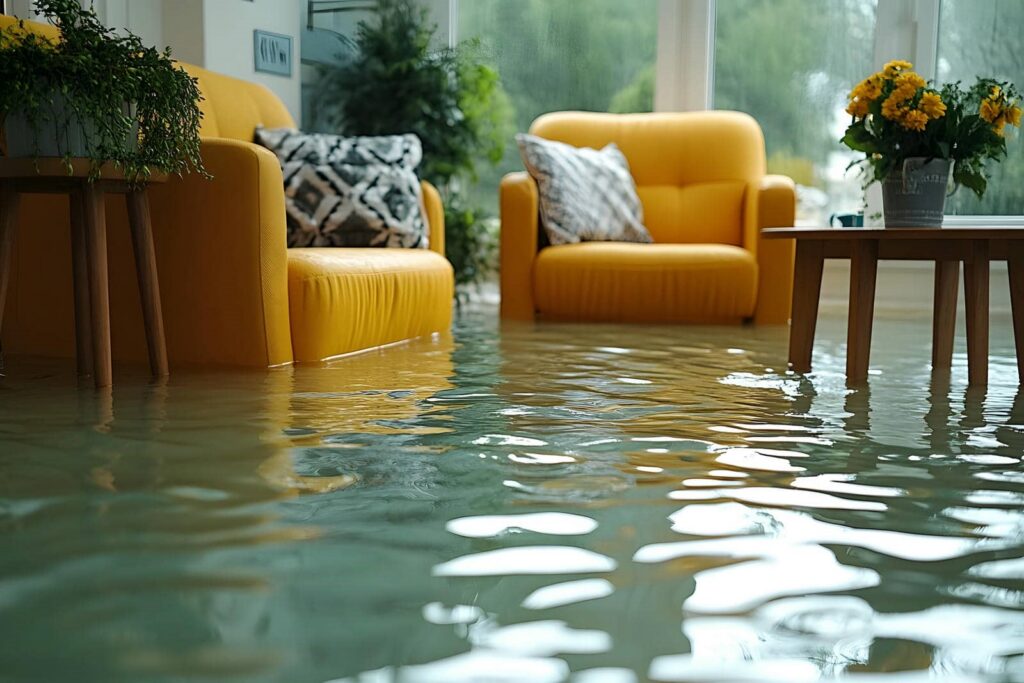
Imagine standing in a waterlogged room, the dampness creeping into every corner. You might think a DIY cleanup could save you time and money, but the hidden risks of mold and structural damage can haunt you later. Professional water damage restoration vs DIY offers specialized knowledge and tools that ensure thorough remediation. Understanding the differences between these approaches is essential, especially when it comes to protecting your home and health. What’s really at stake if you choose the wrong path?
Key Takeaways
- Expert Assessment: Professionals accurately evaluate damage, identifying hidden issues that DIY methods might miss, ensuring effective remediation.
- Advanced Equipment: Restoration services use specialized tools and techniques that efficiently remove moisture, reducing long-term damage and health risks.
- Timely Intervention: Professional restoration minimizes further complications, especially in large areas or when mold is present, ensuring rapid response.
- Insurance Support: Professionals help with documentation and claims, safeguarding against increased premiums and ensuring proper management of the situation.
- Health and Safety: Immediate professional action protects air quality and reduces health hazards from mold growth and lingering moisture, unlike typical DIY cleanup.
How Water Damage Affects Your Home and Health
When water damage occurs in your home, it can lead to serious structural issues and health risks if not addressed promptly.
Moisture can weaken the foundation, warp wooden structures, and promote mold growth, which can trigger respiratory problems and allergies.
While you might consider DIY methods for cleanup, they often fall short of completely resolving the issue.
Professional water damage restoration utilizes specialized equipment and expertise to thoroughly assess and remediate the situation.
This ensures that hidden moisture is eliminated, minimizing long-term damage and health hazards.
By opting for professional services, you safeguard your home and well-being, fostering a sense of security and belonging in your living space.
Don’t underestimate the importance of addressing water damage effectively.
Why Professional Water Damage Restoration Matters
When you face water damage, calling in professionals can make a significant difference.
Their expertise and training ensure that they assess the situation accurately and implement effective solutions.
Plus, they use advanced equipment that can efficiently remove moisture and prevent further issues, safeguarding your home.
Expertise And Training
Maneuvering the complexities of water damage restoration requires specialized expertise and training that only professionals can provide. When you face water damage, understanding the potential hazards—like mold growth or structural instability—is essential.
Trained professionals know how to assess these risks effectively. They’ve in-depth knowledge of water damage categories and drying techniques, ensuring the job is done right the first time.
Moreover, their experience allows them to identify hidden damage that you might overlook, preventing future complications. Professionals also stay updated on industry standards and protocols, ensuring compliance and safety.
Advanced Equipment Usage
Professional water damage restoration relies heavily on advanced equipment tailored for efficient and effective recovery. When you face water damage, professionals use high-capacity pumps and industrial-grade dehumidifiers to remove excess water quickly.
Infrared cameras help detect hidden moisture, ensuring thorough drying. Additionally, air movers circulate air, speeding up evaporation and preventing mold growth.
This specialized equipment accelerates the restoration process and minimizes long-term damage to your property. DIY methods may rely on basic tools, which can’t match the effectiveness of professional gear.
Tools and Techniques for DIY Water Damage Cleanup
When tackling water damage cleanup on your own, you’ll need the right tools and techniques to be effective.
Familiarizing yourself with essential cleanup tools and effective drying methods is vital, as is understanding the safety precautions necessary to protect yourself.
Essential Cleanup Tools
Effective DIY water damage cleanup requires the right tools to tackle the job efficiently.
Start with a reliable wet/dry vacuum to remove standing water quickly. You’ll also need heavy-duty fans or blowers to promote airflow and help with drying. A moisture meter is vital for identifying damp areas that need attention.
For debris removal, a sturdy broom and dustpan, along with a trash bag, will keep your workspace clean. Don’t forget protective gear, including gloves and masks, to ensure your safety while working.
Finally, having a sturdy bucket on hand can help with transporting water and debris.
With these essential tools, you can confidently take on your water damage cleanup.
Effective Drying Techniques
To ensure thorough drying after water damage, you’ll need to employ a combination of techniques and tools that maximize airflow and moisture removal.
Start by using high-velocity fans to increase air circulation, targeting damp areas. Dehumidifiers are essential; they extract moisture from the air and help lower humidity levels, making the drying process more efficient.
Use absorbent materials like towels or mops to soak up standing water before it seeps into floors or walls. Make sure windows are open for fresh air exchange, but avoid damp conditions that could hinder drying.
Regularly monitor moisture levels with a hygrometer to verify effectiveness. By applying these strategies, you’ll create an environment conducive to effective drying and restoration.
Safety Precautions Needed
Before you plunge into DIY water damage cleanup, it’s essential to prioritize safety. Start by wearing protective gear, including gloves, goggles, and a mask, to shield yourself from contaminants.
Make sure the area is well-ventilated; open windows and use fans to reduce moisture and mold growth. Turn off electricity in affected zones to prevent shocks.
Use a moisture meter to assess the extent of the damage before proceeding. When removing water, opt for a submersible pump or a wet/dry vacuum for efficiency.
Dispose of damaged materials properly, following local regulations. Finally, take breaks to avoid fatigue and stay hydrated.
Common DIY Mistakes to Avoid During Cleanup
While tackling water damage cleanup, it’s easy to overlook essential steps that can lead to further problems down the line. One common mistake is failing to thoroughly remove moisture, which can result in mold growth.
Don’t underestimate the importance of drying out affected areas; use dehumidifiers and fans effectively. Another pitfall is neglecting to assess hidden damages, like behind walls or under floors, where water can linger.
It’s also vital to avoid using electrical appliances in wet areas, as this poses safety risks. Finally, don’t ignore your local regulations regarding waste disposal.
Taking these factors into account will help ensure a more effective cleanup, protecting both your property and your health in the long run.
When to Seek Professional Help for Water Damage?
How can you determine when it’s time to call in the professionals for water damage?
First, if the affected area exceeds 100 square feet, it’s best to consult experts. They’ve the tools to assess and manage extensive damage effectively.
If you notice mold growth, even in small patches, don’t hesitate to seek help; mold can pose health risks and may require specialized remediation.
Additionally, if water damage has affected electrical systems or your HVAC, professional intervention is essential for safety.
Finally, if you feel overwhelmed or unsure about the cleanup process, it’s wise to reach out.
Cost: Pro Services vs. DIY
When considering water damage restoration, what’s the real cost of professional services compared to DIY efforts?
Hiring professionals typically ranges from $1,500 to $5,000, depending on the extent of the damage and the services needed. This investment ensures you receive expert assessment, specialized equipment, and a thorough cleanup process.
On the other hand, DIY methods may seem cheaper, often costing under $500 for supplies. However, you risk inadequate drying and potential long-term issues, which could lead to more expenses later.
Ultimately, weighing immediate costs against potential future repairs is essential. You might save money upfront with DIY, but professional services can offer peace of mind and long-term value, fostering a sense of belonging in a community that prioritizes safety and health.
What Happens If You Don’t Properly Clean Up Water Damage?
Neglecting to properly clean up water damage can lead to severe consequences that extend far beyond the initial incident.
Mold growth is one of the most immediate risks; it can develop within 24 to 48 hours, compromising air quality and health.
Structural damage also poses a threat; untreated water can weaken foundations and walls, resulting in costly repairs.
Additionally, lingering moisture can attract pests, creating additional problems for your home.
You may also face increased insurance premiums or difficulty filing claims if you don’t adequately document and manage the situation.
Ultimately, the effects of neglecting water damage cleanup can escalate, impacting not just your property but your peace of mind as well.
Addressing the issue promptly is essential for safeguarding your environment.
How to Choose the Best Water Damage Restoration Service
Choosing the right water damage restoration service can feel overwhelming, especially when time is of the essence. Start by researching local companies with solid reputations and positive customer reviews.
Look for certifications from organizations like the Institute of Inspection, Cleaning and Restoration Certification (IICRC). Confirm they’ve the necessary insurance and licenses, which protects you from liability.
Ask about their response time—24/7 availability is essential in emergencies. Inquire about their process, including equipment and techniques used.
A good service should provide a detailed estimate and clear communication throughout the process. Finally, trust your instincts; choose a company that makes you feel comfortable and understood.
You deserve a team that prioritizes your needs and restores your home efficiently.
Frequently Asked Questions
Can I Claim Water Damage on My Homeowner’s Insurance?
Yes, you can claim water damage on your homeowner’s insurance, but it depends on the cause of the damage.
Most policies cover sudden, accidental incidents like burst pipes but may exclude gradual issues such as leaks.
Review your policy for specifics, and document the damage thoroughly.
Contact your insurer promptly to discuss your situation and initiate the claims process. They’ll guide you through what you need to do next.
How Long Does It Take for Mold to Develop After Water Damage?
Mold can start developing within 24 to 48 hours after water damage occurs.
If the affected area remains damp and warm, mold growth can accelerate. To prevent this, you need to act quickly to dry out the space and eliminate moisture sources.
Regularly inspecting your home for leaks and maintaining proper ventilation can also help minimize mold risk.
Staying proactive ensures a healthier living environment for you and your family.
What Are the Signs of Hidden Water Damage in My Home?
You might notice signs of hidden water damage like unexplained stains on walls or ceilings, a musty odor, or warped flooring.
Check for peeling paint or wallpaper, and listen for unusual sounds, like dripping.
If you see mold growth in areas you don’t expect, it’s a red flag.
Additionally, rising water bills can indicate leaks.
Being vigilant about these signs helps you address potential issues before they escalate.
How Can I Prevent Future Water Damage Issues?
To prevent future water damage, start by inspecting your roof and gutters regularly.
Look for signs of wear or blockages that might trap water.
Make certain your home’s grading directs water away from the foundation.
Install sump pumps in prone areas and check plumbing for leaks.
You might also want to invest in moisture detectors.
These proactive steps can save you from costly repairs and keep your home safe and secure for years to come.
Are There Any Specific Regulations for Water Damage Restoration?
Yes, there are specific regulations for water damage restoration.
You’ll often need to comply with local health and safety codes, which can include proper mold remediation procedures and waste disposal methods.
It’s essential to check with your local government or regulatory bodies to confirm you’re following the right guidelines.
These regulations help protect both you and your property, ensuring that restoration efforts are safe and effective for everyone involved.
Review
In the battle against water damage, opting for professional restoration is your best defense. While DIY might seem like a quick fix, it often leads to hidden hazards and costly repairs down the line. By choosing experts, you ensure a thorough assessment and compliance with safety standards, safeguarding both your property and health. Remember, a stitch in time saves nine—investing in professional services now can save you from future headaches and expenses. Don’t wait; protect your home today.