
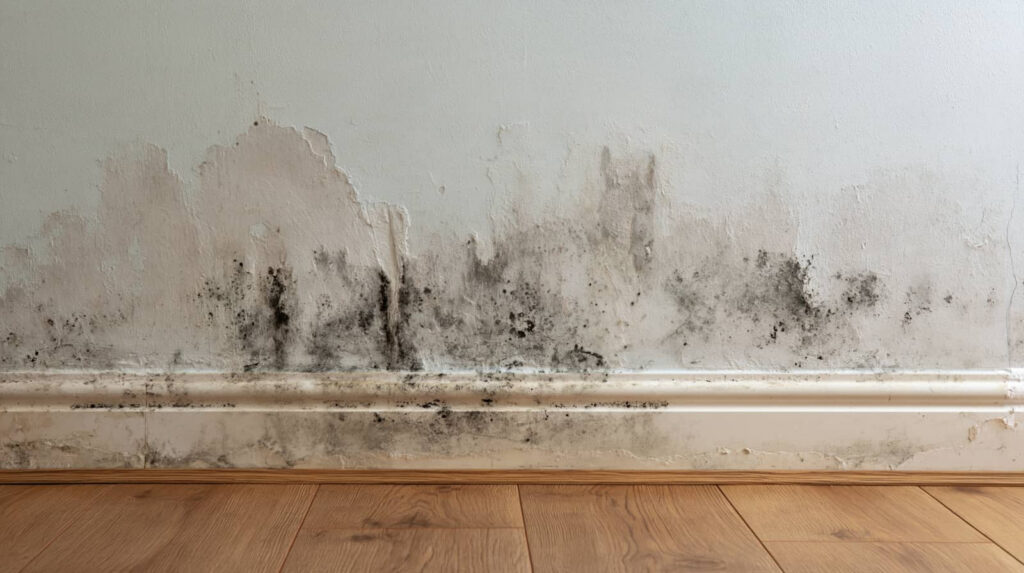
You may not realize that mold remediation pricing is driven less by the visible stain and more by what’s behind the wall. You’re paying for containment, removal, drying, testing, and often repairs, and each step changes with contamination depth, mold type, and spread. If the damage has reached framing or insulation, costs climb fast, so understanding where the money goes can help you spot what’s driving your quote.
Key Takeaways
- Mold remediation pricing includes inspection, containment, air filtration, removal, cleaning, and post-treatment verification.
- Deeper or larger contamination costs more because it requires demolition, replacement, and longer containment.
- Mold spread across multiple rooms or surfaces increases labor, materials, testing, and equipment expenses.
- Certain mold types need stricter safety measures, specialized disposal, and more thorough cleaning.
- Repairing damaged drywall, insulation, flooring, and underlying leaks adds significantly to total remediation costs.
What Mold Remediation Costs Include
Mold remediation costs usually include inspection, containment, air filtration, removal of contaminated materials, cleaning, and post-treatment verification. You’re paying for a structured process that protects your home and your people.
Inspectors identify affected areas and document conditions, then crews seal the work zone so spores don’t spread. HEPA air scrubbers run during removal and cleaning, which helps stabilize indoor air.
Technicians discard porous materials that can’t be restored, sanitize remaining surfaces, and verify that moisture and residue are controlled. The cost of mold remediation services also reflects labor, equipment, disposal, and reporting.
When you understand each line item, you can compare quotes with confidence and choose a team that fits your needs.
How Contamination Level Affects Mold Remediation Cost
When you compare surface contamination with deep mold growth, you’ll see that deeper intrusion usually raises remediation costs because it takes more labor, demolition, and replacement work.
Your project also needs larger containment and removal measures when mold has spread into walls, flooring, or HVAC components. The more extensive the contamination, the more time and specialized equipment you’ll need, which directly increases the total price.
Surface vs. Deep Contamination
If contamination stays on surfaces like drywall, framing, or visible finishes, remediation usually costs less because technicians can remove and clean affected materials without extensive demolition.
You’ll often pay mainly for labor, antimicrobial treatment, and replacement of limited sections.
Deep contamination costs more because mold can move into insulation, subfloors, wall cavities, or structural wood, where it’s harder to reach and verify.
In those cases, your team needs more time, more tools, and more material replacement to restore safe conditions.
You’ll also see higher costs when moisture has fed growth for a long time, since hidden damage can spread beyond the obvious stain.
If you catch it early, you’ll protect your space, your budget, and the people who rely on that environment.
Containment And Removal Scope
The larger the contaminated area, the more containment and removal work you’ll need, and that directly raises remediation costs.
When mold stays localized, you may only need plastic barriers, negative air pressure, and targeted demolition.
Once contamination spreads into multiple rooms, HVAC ducts, or porous materials, your crew must isolate more space, run longer, and remove more waste.
That means extra labor, equipment, disposal fees, and post-cleaning verification.
You’ll also pay more when technicians must protect nearby clean zones so you can return safely to a healthy home.
If you act early, you often keep the scope smaller and the bill lower.
A thorough inspection helps you and your team choose the right containment level, limit spread, and restore your space with confidence.
Why Mold Type and Spread Change the Price
Mold type and how far it has spread can raise remediation costs because different species require different containment, cleaning, and disposal methods. Widespread growth usually means more labor and more materials.
When you’re dealing with toxigenic strains, crews may need stricter PPE, negative air pressure, and more careful disposal, which adds time and expense. If mold stays on one surface, you’ll usually pay less than you’d for growth inside multiple rooms, HVAC components, or porous materials.
Large colonies also need more testing, more setup, and more demolition of contaminated contents. You’re not just paying for cleanup; you’re paying for the level of control needed to keep your home or business safe. The more extensive the spread, the higher the bill.
How Repair Work Adds to Mold Remediation Costs
Repair work can add a significant amount to mold remediation costs because cleanup rarely stops at removing visible growth.
You may need to replace drywall, insulation, baseboards, or flooring after moisture damage weakens them. If mold has penetrated framing, subflooring, or ceiling cavities, your contractor may have to open finished areas, remove compromised materials, and rebuild them to restore a safe enclosure.
You’ll also pay more when repairs must match existing finishes, such as paint, trim, or tile, so the space feels consistent again. The larger the affected area, the more material removal and reconstruction you’re facing.
If leaks, ventilation defects, or drainage problems caused the mold, fixing those issues is essential too, or you’ll risk another outbreak and another expense.
Labor, Testing, and Equipment Costs
Labor, testing, and equipment can make up a large share of mold remediation costs because the job usually requires trained technicians, containment setup, air filtration, moisture mapping, and post-remediation verification.
You’re paying for skilled labor that follows safety protocols, protects unaffected areas, and documents each step. Testing often adds cost because inspectors may sample air, surfaces, and hidden cavities before and after removal to confirm contamination levels.
Specialized equipment also drives pricing: HEPA vacuums, negative air machines, dehumidifiers, thermal cameras, and protective gear all require setup, operation, and maintenance.
When your project involves multiple rooms or hard-to-reach spaces, crews spend more hours on site, and equipment runs longer, increasing the final bill for your household.
How to Reduce Mold Remediation Costs
You can often lower remediation expenses by acting quickly and limiting the spread of moisture, because smaller contamination areas usually require less labor, less containment, and fewer repairs.
You should fix leaks, dry wet materials within 24 to 48 hours, and run dehumidifiers to keep humidity below 60%. If you catch growth early, you may only need targeted removal instead of full-room demolition.
You can also save by documenting damage with photos, then getting multiple licensed estimates so you can compare scope, not just price.
Ask whether air scrubbers, testing, and disposal are truly needed for your site.
When you stay organized, communicate clearly with your contractor, and address the root cause, you protect your home, your budget, and your community from repeat contamination.
Frequently Asked Questions
Can Homeowners Insurance Cover Mold Remediation Costs?
Yes, you can sometimes get coverage, but it depends on your policy and the mold’s cause. If a covered peril caused the damage, insurers may pay remediation costs, minus your deductible and limits.
How Long Does Mold Remediation Usually Take?
Usually, you’ll need one to five days, but larger contamination or repair work can extend it. You’ll get faster results when you act quickly, isolate affected areas, and let certified pros dry, remove, and verify cleanup.
Is Mold Testing Required Before Remediation Starts?
Not always, but you’ll usually want testing before you start remediation to confirm the species, locate hidden growth, and set scope. You can sometimes skip it if contamination’s obvious and qualified inspection already documents conditions.
Can I Stay Home During Mold Remediation Work?
Yes, you can sometimes stay home, but think of your house as a sealed ship: if containment’s tight and only one room’s treated, you’re usually fine. You should leave if dust, odors, or breathing risks rise.
When Should I Call a Mold Remediation Professional?
You should call a mold remediation professional when you spot visible growth, smell persistent mustiness, or have water damage. You’ll want help if mold spreads, returns, or causes symptoms, too.
Final Thoughts
You can see mold remediation costs as a moving target, shaped by contamination depth, mold type, and repair scope. When you catch growth early, you keep the bill from snowballing. Surface cleanup is usually cheaper, while hidden damage can trigger demolition, testing, and specialized labor. Act fast, document the issue, and get a qualified inspection. The sooner you respond, the more likely you’ll stop mold before it digs its roots in deeper.