
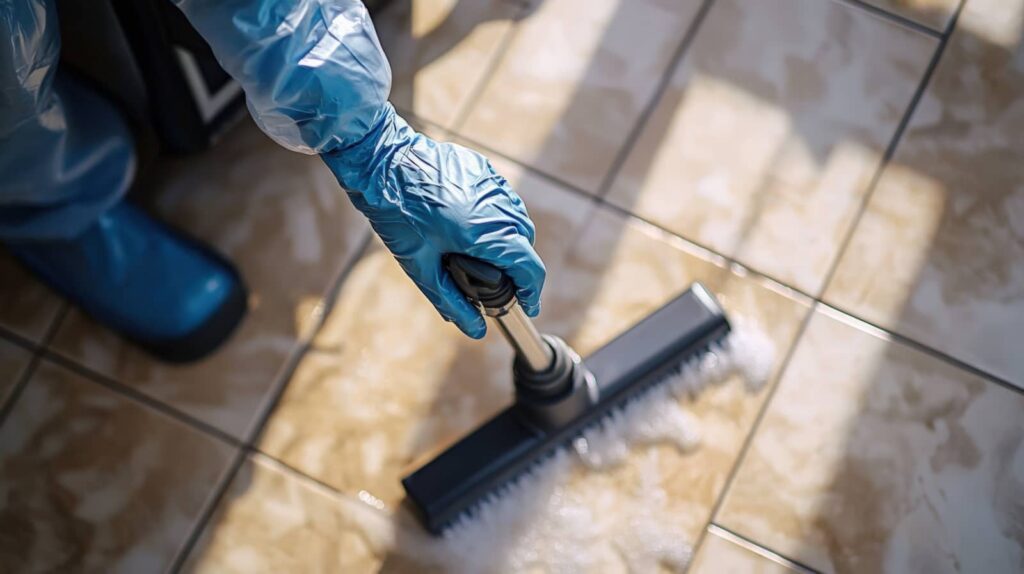
Imagine a silent pool of water slowly creeping across your living room floor, threatening not just your belongings but your health. Emergency water removal is essential to mitigate damage and prevent mold growth. Understanding the risks and knowing when to act can save you from costly repairs and health issues. So, how do you effectively tackle this urgent situation before it spirals out of control?
Key Takeaways
- Act quickly; standing water can lead to mold growth and health hazards within 24 hours.
- Use submersible or utility pumps for efficient water extraction, depending on depth.
- Turn off electricity in the affected area to prevent electrical hazards.
- Employ dehumidifiers and fans to thoroughly dry the area and prevent mold.
- Call professionals if water is contaminated or if it’s been standing for over 24 hours.
Understanding the Risks of Standing Water
Standing water poses significant risks that shouldn’t be overlooked, especially when it lingers for extended periods. You mightn’t realize that stagnant water can become a breeding ground for harmful bacteria and mold, potentially jeopardizing your health.
Additionally, it can compromise your home’s structural integrity, leading to costly repairs. If you notice standing water, swift action is vital. Emergency water removal for standing water is necessary to mitigate these hazards.
It protects your living space and ensures a safer environment for you and your loved ones. By addressing standing water promptly, you foster a sense of security and well-being in your home, creating a space where you can truly thrive.
When to Call in the Experts for Water Removal
If you’ve noticed persistent standing water, knowing when to call in professionals can make a significant difference. If the water has been present for more than 24 hours, it’s essential to seek expert help. Prolonged exposure can lead to mold growth and structural damage.
You should also consider calling in experts if the standing water is extensive, over a few inches, or if it’s contaminated, such as sewage backup. Additionally, if you’re unsure about the source of the water or if it’s affecting multiple areas of your home, it’s best to get professional assistance.
Timely intervention ensures safety and helps mitigate further damage, giving you peace of mind in a stressful situation.
Must-Have Tools for Quick Water Removal
When you’re facing standing water, having the right tools is vital for quick removal.
Essential pump types, like submersible pumps, can effectively handle large volumes, while effective drying equipment ensures thorough moisture extraction.
Knowing which tools to use will streamline your water removal process and minimize damage.
Essential Pump Types
Effective water removal relies heavily on the right type of pump. When facing standing water, consider using submersible pumps, which are designed for deep water extraction. They’re efficient and can handle large volumes quickly.
If you’re dealing with shallow puddles, a utility pump is a great choice; it’s versatile and easy to transport. For smaller leaks, a sump pump can effectively manage water buildup in basements.
Remember to assess your situation—different scenarios may require different pumps. Always verify the pump’s horsepower matches your needs for peak performance.
Effective Drying Equipment
After selecting the right pump, the next step in managing standing water involves using effective drying equipment.
You’ll want to invest in high-capacity dehumidifiers, which extract moisture from the air, preventing mold growth. Pair these with industrial fans for ideal air circulation, ensuring that every damp corner dries quickly.
Consider using air movers specifically designed for drying surfaces efficiently. It’s also wise to have moisture meters on hand to monitor drying progress, so you know when it’s safe to proceed with repairs.
Step-by-Step Guide to Removing Standing Water
Removing standing water efficiently requires a systematic approach to minimize damage and restore your space.
First, assess the affected area and identify the source of the water. Next, turn off electricity to prevent hazards.
Use a wet/dry vacuum to remove as much water as possible. If the volume is substantial, consider renting a submersible pump for faster removal.
After the bulk of the water is gone, employ fans and dehumidifiers to dry the remaining moisture.
Don’t forget to remove any water-damaged materials, like carpets or drywall, to prevent mold growth.
Finally, monitor the area regularly for any signs of lingering moisture.
This methodical approach ensures a safer, more effective recovery for your home.
What Health Risks Does Standing Water Pose?
Standing water poses significant health risks that you shouldn’t ignore.
It creates an ideal environment for mold growth, which can lead to respiratory issues and allergic reactions.
Additionally, stagnant water can harbor pathogens, increasing the potential for disease spread.
Mold Growth Risks
When water accumulates in an area, it creates an ideal environment for mold growth, which poses significant health risks. Mold spores can spread quickly and lead to various health issues, especially for vulnerable individuals.
Here are some risks you should be aware of:
Allergic Reactions: Exposure can trigger symptoms like sneezing, runny nose, and skin irritation.
Respiratory Problems: Mold can aggravate asthma and other respiratory conditions, leading to difficulty breathing.
Infections: Individuals with weakened immune systems might develop serious infections from mold exposure.
Toxic Reactions: Certain molds produce mycotoxins, which can cause neurological issues and other severe health concerns.
Addressing standing water promptly can help mitigate these risks and protect your health.
Disease Spread Potential
The presence of standing water fosters mold growth and creates a breeding ground for various disease-carrying organisms.
Mosquitoes, for instance, can thrive in stagnant water, potentially spreading viruses like West Nile and Zika. Additionally, standing water can harbor harmful bacteria such as E. coli and Salmonella, which can contaminate food and water supplies.
You might also face increased risks of gastrointestinal illnesses and respiratory issues due to mold spores. It’s vital to act quickly in removing standing water to minimize these health hazards.
How to Prevent Standing Water in Your Home
To effectively prevent standing water in your home, it’s vital to address potential problem areas proactively.
Taking these steps can greatly reduce the risk of water accumulation:
Inspect Gutters and Downspouts: Verify they’re clear of debris and direct water away from your foundation.
Grade Your Yard: Slope the ground away from your home to prevent water pooling near the foundation.
Seal Cracks: Regularly check for and seal any cracks in your basement walls or floors to prevent leaks.
Maintain Plumbing: Regularly inspect and repair any leaks in pipes, faucets, or appliances to avoid excess moisture.
Insurance Tips After Water Damage
After experiencing water damage, it’s vital to understand how your insurance policy responds to such incidents.
First, document the damage thoroughly with photos and notes; this can support your claim.
Contact your insurance provider promptly to report the damage and initiate the claims process. Be clear about the extent of the damage and any immediate repairs you’ve made to prevent further issues.
Review your policy to know what’s covered—some policies may exclude certain types of water damage.
Keep all receipts related to repairs and restoration, as they can be significant for reimbursements.
Finally, consider following up regularly with your insurer to ensure your claim is processed efficiently and to address any questions you may have along the way.
Frequently Asked Questions
Can I Remove Standing Water Without Professional Help?
Yes, you can remove standing water without professional help, but it requires caution.
Start by turning off electricity in the affected area. Use a wet/dry vacuum to extract the water, ensuring you wear protective gear.
If the water is deep, consider using a pump. After removal, dry the area thoroughly with fans and dehumidifiers to prevent mold.
Always check for underlying issues that might cause future flooding. Your safety’s the priority.
How Long Does It Take for Mold to Develop?
Mold can start developing within 24 to 48 hours after water exposure. If you’ve got standing water, it’s essential to act quickly.
Moisture creates the perfect environment for mold spores to thrive. Even if you think you’ve dried everything out, hidden damp areas can still foster growth.
To prevent mold, make sure you ventilate the area well and check for any lingering moisture.
What Should I Do if My Carpet Is Soaked?
If your carpet’s soaked, act quickly.
First, remove any furniture and lift the carpet to check the padding underneath. Use towels to absorb excess water, then consider using a wet/dry vacuum if available.
Open windows to enhance airflow and speed up drying. If possible, use fans or dehumidifiers.
Monitor for mold growth; ideally, the carpet should dry within 24 to 48 hours. If it doesn’t, professional help might be necessary.
Are There Any DIY Methods for Water Removal?
Yes, there are several DIY methods for water removal. Start by using wet/dry vacuums to suck up excess water.
Then, place fans and dehumidifiers in the area to promote airflow and dry out remaining moisture. You can also use towels to absorb water and keep an eye on moisture levels.
For carpets, lifting them and placing them outside on sunny days can speed up drying.
Always ensure proper ventilation to prevent mold growth.
How Can I Safely Dispose of Contaminated Water?
To safely dispose of contaminated water, start by wearing protective gear like gloves and masks.
Avoid pouring it down drains or into storm sewers, as this can pollute water systems. Instead, collect the water in a sealed container and contact your local waste management service for proper disposal guidelines.
If it’s small amounts, consider pouring it onto absorbent materials and disposing of them with regular trash.
Always prioritize safety and environmental responsibility.
Summary
To wrap up, tackling standing water swiftly safeguards your sanctuary from severe damage. By staying vigilant and using the right tools, you can effectively eliminate the elements that threaten your home. Remember, proactive prevention is your best ally against future flooding. Don’t hesitate to seek professional help when necessary; it’s a smart step toward securing your space. Stay safe, stay dry, and ensure your home remains a haven, free from the hazards of lingering water.