
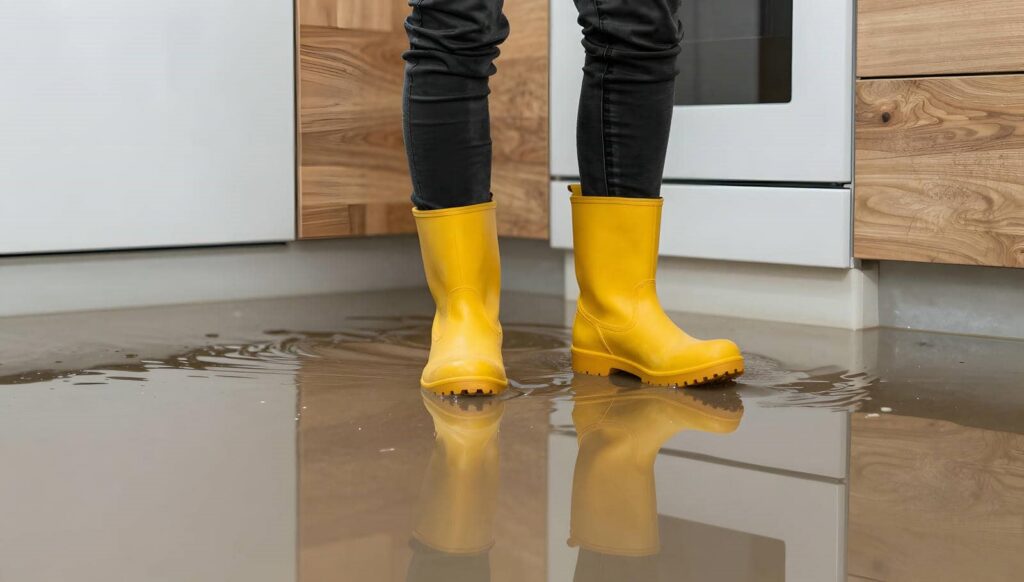
Water Removal After a Burst Pipe starts with prioritizing safety and stopping the source of the water as quickly as possible. Avoid standing water until you have confirmed the area is safe, and shut off electricity to affected areas if it can be done safely. Next, locate and close the main water shut-off valve to prevent additional flooding. After the water source is controlled, professional extraction equipment, pumps, wet vacuums, air movers, and dehumidifiers can help remove moisture and prevent structural damage, mold growth, and costly repairs. Acting quickly can make a significant difference in protecting your property and restoring the affected areas.
Key Takeaways
- Immediately turn off the main water supply to prevent further flooding and damage.
- Evacuate the area if there are electrical hazards or gas odors present.
- Use submersible or utility pumps to remove standing water efficiently.
- Deploy air movers and dehumidifiers to expedite drying and prevent mold growth.
- Document the damage for insurance claims before starting any cleanup efforts.
How to Stay Safe After a Pipe Bursts?
When a pipe bursts, ensuring your safety should be your top priority. Start by avoiding any areas where water is pooling, as slippery surfaces can lead to falls.
If you notice sparks or smell gas, evacuate immediately and contact emergency services. Turn off electrical power to the affected area if it’s safe to do so, but don’t wade through water to reach the circuit breaker.
Once you’re safe, document the damage for insurance purposes.
After ensuring safety, initiate emergency water removal after the burst pipe. This step is essential to prevent mold growth and structural damage.
Consider contacting professionals equipped to handle extensive water removal efficiently. Your safety and well-being matter most, so take these precautions seriously.
Shut Off the Water Supply: Prevent Further Damage
After ensuring your safety, the next step is shutting off the water supply to prevent further damage. This essential action could save both your property and peace of mind.
Here’s how to do it effectively:
Locate the Main Shut-Off Valve: Usually found near the water meter or where the water line enters your home.
Turn the Valve Clockwise: If it’s a round valve, twist it; if it’s a lever, move it to the perpendicular position.
Check for Additional Valves: If the burst pipe is linked to specific fixtures, shut those valves off too.
Verify the Water is Off: Turn on a faucet to confirm no water is flowing.
Essential Tools for Effective Water Removal
To effectively remove water after a burst pipe, you’ll need the right tools at your disposal.
Pumps and hoses are vital for quickly extracting large volumes of water, while safety gear ensures you stay protected during the process.
Preparing these essential items beforehand can greatly streamline your water removal efforts.
Pumps And Hoses
Effective water removal requires reliable pumps and hoses, as these tools play a crucial role in mitigating damage from a burst pipe. Choosing the right equipment can make all the difference. Here’s what you need to take into account:
Submersible Pumps: Ideal for deep water removal, they efficiently tackle large volumes.
Utility Pumps: Perfect for smaller tasks, these portable options are easy to operate.
Hoses: Use durable, flexible hoses to transport water away quickly and effectively.
Suction Hoses: Essential for connecting pumps and maximizing flow, ensuring no water is left behind.
Safety Gear Essentials
When dealing with water removal after a burst pipe, having the right safety gear is essential for protecting yourself from potential hazards.
Start with waterproof gloves to shield your hands from contaminants. Wear rubber boots to keep your feet dry and protected from slippery surfaces. A sturdy mask is vital to avoid inhaling mold spores or debris.
Safety goggles will protect your eyes from splashes and particles. Depending on the severity of the situation, consider a hard hat to guard against falling objects.
Finally, make sure you have a first-aid kit nearby for minor injuries.
Next Steps After Water Removal: Drying Techniques and Equipment
After water removal, it’s essential to act swiftly to prevent mold growth and structural damage.
Here are key drying techniques and equipment you should use:
Air Movers: Use high-velocity fans to circulate air and speed up evaporation.
Dehumidifiers: Deploy commercial-grade dehumidifiers to extract moisture from the air and surfaces.
Moisture Meters: Monitor moisture levels in walls and floors to ensure complete drying.
Infrared Cameras: Utilize these for identifying hidden moisture pockets that may not be visible.
How to Prevent and Treat Mold Growth After Water Damage?
To effectively prevent and treat mold growth after water damage, you must act quickly and decisively.
First, make certain the affected area is thoroughly dried within 24-48 hours. Use dehumidifiers and fans to expedite this process.
Next, clean surfaces with a solution of water and detergent to remove any visible mold. For porous materials, like drywall or carpets, consider replacing them if they’re heavily contaminated.
Monitor humidity levels, keeping them below 60% to discourage mold growth. Regularly inspect for any signs of mold, especially in hidden spaces.
If you notice persistent mold or extensive growth, it’s essential to seek professional help to ensure complete removal and prevent health risks.
Your proactive steps can protect your home and well-being.
When to Call Professionals for Emergency Water Removal
Recognizing the right moment to call professionals for emergency water removal can greatly impact the extent of damage to your property.
If you encounter any of the following situations, don’t hesitate to seek help:
Extensive Water Accumulation: If water is pooling and you can’t manage it alone.
Structural Damage: Noticeable warping or cracks in walls and floors.
Electrical Hazards: Water near electrical outlets or appliances poses serious risks.
Persistent Moisture: If dampness lingers beyond 24 hours, mold growth becomes a concern.
Calling professionals ensures thorough removal and drying, minimizing long-term damage.
You’re not alone in this—experts can help restore your space safely and efficiently.
Frequently Asked Questions
What Are the Signs of a Burst Pipe?
You’ll notice several signs of a burst pipe. Look for unexpected water pooling on your floors or in your walls.
Watch for a sudden increase in your water bill, which signals a leak. You might hear strange sounds, like hissing or gurgling, coming from your plumbing.
Additionally, check for damp spots on walls or ceilings, and be alert for any mold growth. If you spot these, act quickly to address the problem.
Can I Use a Regular Vacuum for Water Removal?
No, you shouldn’t use a regular vacuum for water removal.
Standard vacuums aren’t designed to handle liquids and can short-circuit or become damaged, posing safety risks.
Instead, opt for a wet/dry vacuum specifically made for water removal.
These vacuums can efficiently suck up water without risking your safety or damaging the equipment.
Make sure to check your vacuum’s capacity and use it promptly to minimize water damage in your space.
How Long Does It Take for Water to Cause Damage?
Water can start causing damage within just a few hours.
If it’s left untreated, you’ll notice structural issues, mold growth, and damage to your belongings.
Even after a short exposure, materials like drywall and wood can absorb moisture, leading to warping or decay.
You need to act quickly to minimize these effects.
The sooner you remove the water, the better chance you have of preserving your home and belongings.
Will My Insurance Cover Water Damage From a Burst Pipe?
Most homeowners’ insurance policies cover water damage from burst pipes, but it’s essential to check your specific policy details.
Some homeowners face water damage claims, highlighting the significance of knowing your coverage.
Typically, you’ll need to file a claim promptly and document the damage thoroughly.
Don’t forget to keep receipts for repairs and related expenses; they can support your claim and ensure you receive the assistance you need.
What Items Should I Move to Prevent Water Damage?
To prevent water damage, move valuable items, such as electronics, furniture, and important documents, to higher ground.
Secure any rugs or carpets by rolling them up and placing them in a dry area.
If possible, elevate appliances like washers and dryers.
Also, consider relocating potted plants and artwork.
Acting quickly helps minimize damage and shows you’re proactive in protecting your space.
Recap
Acting swiftly after a burst pipe can greatly reduce damage and costs. By ensuring you know how to shut off the water supply, utilizing essential tools for removal, and addressing drying and mold prevention, you can protect your home and health. If the situation feels overwhelming, don’t hesitate to call professionals for assistance.