
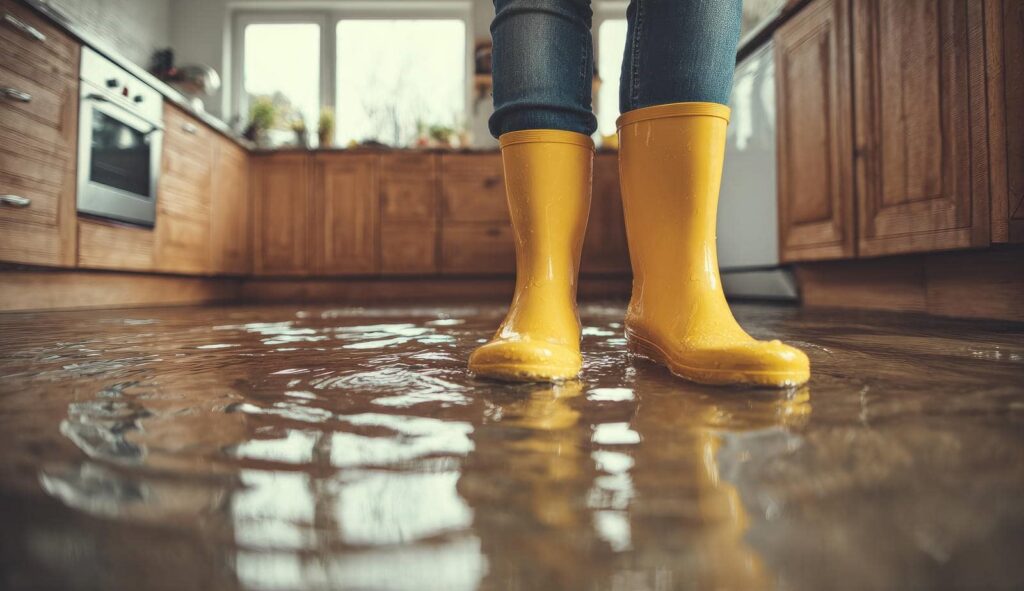
In the aftermath of a storm, the chaos can feel overwhelming, much like a shipwrecked sailor adrift at sea. You need reliable emergency water removal equipment to navigate through the flooding. High-capacity pumps, dehumidifiers, and air movers are essential tools that can make a significant difference. Understanding how these devices operate and their roles in disaster response is vital for effective recovery. Let’s explore what you need to know to safeguard properties and ensure swift restoration.
Key Takeaways
- Professionals use submersible and utility pumps for efficient water extraction in both deep and shallow areas.
- Dehumidifiers are essential for controlling moisture, preventing mold growth, and protecting structures.
- High-capacity extraction pumps are preferred for commercial jobs requiring rapid water removal.
- Advanced sensors and smart technology enhance monitoring and improve response times during emergencies.
- Regular maintenance of equipment ensures reliability and effectiveness during critical situations.
Why You Need Emergency Water Removal Equipment
When a water emergency strikes, having the right removal equipment can be essential for minimizing damage to your property. You might think that any pump or vacuum will do, but emergency water removal equipment used by professionals is specifically designed for efficiency and effectiveness.
This equipment allows for faster extraction of water, reducing the risk of mold and structural damage. It also helps to maintain a safe environment, preventing slips and falls during the cleanup process.
Investing in professional-grade tools speeds up recovery and ensures you’re part of a community that values preparedness and safety. By prioritizing the right equipment, you’re taking a proactive step towards protecting your home and loved ones.
Essential Types of Water Removal Equipment for Professionals
When tackling water removal, you’ll need reliable pumps for rapid extraction to handle significant volumes efficiently.
Dehumidifiers are equally essential, as they control moisture levels and prevent further damage.
Together, these tools ensure a thorough and effective water removal process.
Pumps for Rapid Extraction
Pumps play an essential role in rapid water extraction, ensuring efficiency and effectiveness in emergency situations. When you’re faced with flooding or water damage, choosing the right pump is vital.
Submersible pumps are ideal for deep water removal, easily operating underwater to extract large volumes. For shallower areas, consider utility pumps, which are versatile and lightweight, perfect for quick setups.
High-capacity pumps can handle significant water flow, making them suitable for commercial applications. Always assess the power source and verify your pump’s capacity matches the job’s demands.
Regular maintenance is key to reliability, so check for clogs and wear. With the right pump, you can tackle water removal confidently, fostering a sense of security for your team and clients.
Dehumidifiers for Moisture Control
While pumps are crucial for water extraction, dehumidifiers are equally essential for moisture control in emergency situations. These machines work by removing excess humidity from the air, preventing mold growth and structural damage.
When you use a dehumidifier, it draws in moist air, passes it over cold coils, and condenses the moisture into a reservoir.
You’ll find two main types: refrigerant dehumidifiers, which are effective in warmer temperatures, and desiccant dehumidifiers, ideal for colder conditions. Selecting the right type ensures efficient moisture management.
Understanding How Water Extractors Work
When you activate a water extractor, it creates a vacuum that pulls in moisture through a hose connected to the unit. The water is then filtered and stored in a tank for easy disposal.
Depending on the model, some extractors have multiple settings to handle different levels of saturation. You’ll find that they often incorporate additional features, like adjustable suction power and built-in sensors, ensuring optimal performance.
Why Dehumidifiers Are Key for Effective Water Removal
Dehumidifiers play an essential role in moisture control strategies during water removal.
By effectively lowering humidity levels, they notably speed up the drying process, preventing further damage.
Understanding their function helps you optimize your emergency response efforts.
Moisture Control Strategies
When tackling water damage, controlling moisture is essential for restoration success. Dehumidifiers play a vital role in this process. They extract excess moisture from the air, preventing secondary damage like mold growth and structural deterioration.
You should select the right size dehumidifier based on the area affected; larger spaces require more powerful units.
In addition to dehumidifiers, consider using moisture meters to monitor humidity levels, ensuring you’re effectively managing the drying process. Proper ventilation is also key—open windows and use fans to enhance airflow.
Speeding Up Drying Process
Effective moisture control directly influences the speed of the drying process after water damage occurs. Dehumidifiers play an essential role in this process by reducing humidity levels, which helps prevent mold growth and structural damage.
When you use dehumidifiers, they extract excess moisture from the air, allowing your space to dry more efficiently.
It’s important to choose the right capacity for your needs; a unit that’s too small won’t handle the moisture effectively. Additionally, positioning the dehumidifier strategically enhances airflow and speeds up drying.
Combining dehumidifiers with fans maximizes evaporation rates, further accelerating the process.
The Role of Air Movers in Drying Environments
Air movers play an essential role in drying environments, as they enhance air circulation and facilitate moisture evaporation. By directing high-velocity airflow across wet surfaces, they effectively reduce drying time and prevent mold growth.
When you use air movers, you’ll notice how they create a controlled environment, allowing moisture to dissipate more efficiently. Positioning these units strategically can maximize their impact, ensuring that every corner of the affected area receives adequate airflow.
Additionally, air movers can be adjusted for different settings, catering to various types of surfaces and moisture levels. This versatility makes them invaluable in emergency water removal scenarios, where time is critical, and thorough drying is paramount for restoring spaces safely and effectively.
Innovative Technologies in Water Removal Equipment
As technology advances, innovative water removal equipment is becoming increasingly sophisticated, enabling faster and more efficient restoration processes.
Modern systems incorporate advanced sensors that detect moisture levels, allowing you to pinpoint areas needing attention. High-capacity extraction pumps work with minimal noise, ensuring a discreet operation while efficiently removing water.
Additionally, portable units equipped with infrared technology can assess damage without invasive measures, giving you a clear understanding of the situation.
Smart technology integration allows for real-time monitoring and data analysis, enhancing decision-making during emergencies.
With these innovations, you’ll speed up recovery and ensure thoroughness, fostering a sense of security and belonging within your community during challenging times.
Choosing the Right Water Removal Equipment for Emergencies
When selecting the right water removal equipment for emergencies, it’s crucial to evaluate both the scale of the incident and the specific conditions of the affected area.
For smaller floods, portable pumps and wet vacuums are often sufficient, while larger incidents may require industrial-grade submersible pumps.
Assess the water type, as contaminated water demands specialized equipment for safe removal.
You’ll also want to take into account the area’s accessibility; lightweight, maneuverable tools are beneficial in tight spaces.
Additionally, verify you have the right attachments and accessories for efficient operation.
Finally, prioritize equipment with proven durability and reliability, as time is critical in emergencies.
Frequently Asked Questions
How Quickly Can Professionals Respond to a Water Removal Emergency?
Professionals can typically respond to a water removal emergency within one to two hours.
When you call for help, they’ll assess the situation quickly and deploy the right equipment to mitigate damage. Their prompt action minimizes disruption to your life and property.
You’ll appreciate their expertise as they work efficiently, ensuring your space is safe and dry in no time.
Trust their experience to handle the situation effectively and restore your peace of mind.
What Safety Precautions Should Be Taken During Water Removal?
Before you start water removal, make sure you wear protective gear like gloves and boots to shield yourself from contaminants.
Turn off electricity in affected areas to prevent shock.
Use a wet vacuum or pump cautiously, ensuring you’re not standing in water while operating electrical equipment.
Ventilate the space to reduce mold risk, and keep children and pets away.
Your safety’s essential, so don’t rush—take the necessary precautions to protect yourself and others.
How Often Should Equipment Be Maintained or Replaced?
You should maintain your equipment regularly, ideally every six months, to ensure peak performance.
Inspect for wear and tear, clean filters, and check hoses. If you notice significant damage or inefficiency, consider replacing the equipment immediately.
Remember, keeping your tools in top shape enhances safety and improves efficiency during water removal tasks.
Regular maintenance helps you stay connected with your equipment and fosters a sense of reliability in your work.
Can I Use Water Removal Equipment for Non-Emergency Situations?
Imagine a knight wielding a sword not just in battle, but to clear a muddy path.
Yes, you can use water removal equipment for non-emergency situations. It’s effective in managing spills, flooding from heavy rains, or even routine maintenance tasks.
Just make sure you’re familiar with the equipment’s limitations and capabilities. Proper use can prevent bigger issues down the line, making your space safer and more comfortable for you and those around you.
What Certifications Should Water Removal Professionals Have?
When you’re hiring water removal professionals, look for certifications like IICRC (Institute of Inspection, Cleaning, and Restoration Certification) and RIA (Restoration Industry Association).
These ensure they’ve got the training and knowledge to handle various water damage situations effectively.
Also, check if they have local licensing and insurance. This shows their credibility and gives you peace of mind, knowing you’re working with qualified experts in the field.
Wrap-Up
In emergencies, having the right water removal equipment is your lifeline to recovery. Just like a firefighter relies on hoses to douse flames, you need high-capacity pumps, dehumidifiers, and air movers to combat water damage effectively. By investing in professional-grade tools, you’re not just protecting property; you’re safeguarding lives and ensuring a quicker return to normalcy. Remember, every moment counts when dealing with water damage, so equip yourself with the best to tackle any crisis.