
Key Takeaways
- Shut off the main water supply and electricity to affected areas to stop flooding and prevent shocks.
- Document all damage with photos, videos, and an item inventory for insurance claims.
- Remove standing water quickly using safe methods, then dry the area thoroughly to limit mold growth.
- Inspect for hidden mold, salvage cleanable items, and discard contaminated porous materials safely.
- Repair the burst pipe and add insulation, leak checks, and temperature control to prevent future flooding.
Shut Off the Water Supply Right Away
Move fast and shut off the water supply right away to stop more flooding.
Find your main shutoff valve, usually near the meter, basement wall, or utility room, and turn it clockwise until it stops. If you can’t reach it safely, call your water utility or building manager for help.
This is the first step in what to do after a burst pipe because every second counts. Open nearby faucets to relieve pressure and drain remaining water from the lines.
Then check the damaged area for continued leakage and confirm the valve fully closed. Keep towels or a wet vacuum ready, but don’t delay the shutoff.
You’re not handling this alone; quick, calm action protects your home and helps your household recover faster.
Turn Off Power in Flooded Rooms
If water has reached any outlets, appliances, or wiring, you should shut off the circuit breakers for the affected rooms immediately.
Don’t step into standing water if you can avoid it, because energized surfaces can create a shock hazard.
Call a licensed electrician right away to inspect the system before you restore power.
Shut Off Circuit Breakers
Before you enter any flooded room, shut off the circuit breakers that control the affected area to reduce the risk of electric shock.
Go to your main electrical panel and identify the breakers labeled for the damaged rooms. If the panel is in a wet or unsafe location, don’t approach it; call a qualified electrician or your utility provider.
Turn each affected breaker fully to OFF, then verify that lights, outlets, and appliances in those rooms stay dead. If you can’t confirm which circuits serve the area, shut off the main breaker instead.
Keep other household members away from the panel while you work.
After power is isolated, you can assess the space with your cleanup team and move forward safely, together, with the next recovery steps.
Avoid Standing Water
Once the breakers are off, keep everyone out of any room with standing water until you’ve confirmed it’s electrically safe.
Treat every puddle as a possible path for current, especially near outlets, baseboards, appliances, and extension cords.
Don’t step in water to move items or start cleanup. Instead, wear dry rubber-soled shoes, use a flashlight, and check from the doorway.
If you need to reduce the hazard, work only in rooms you’ve already de-energized and keep your hands dry.
Push furniture aside with insulated tools, not by grabbing wet surfaces.
Mark off the area so family members, pets, and helpers stay clear.
Your safest move is patience: wait until the space is dry enough to inspect, then restore access in a controlled way.
Call Electrician Immediately
Cut power to the flooded rooms right away and call a licensed electrician as soon as you can.
If water reached outlets, baseboards, appliances, or the breaker panel, don’t enter the area until the circuit is confirmed de-energized. You can shut off the main breaker only if it’s dry, accessible, and you can do it without stepping in water.
Keep everyone out of the room and use a flashlight, not candles.
An electrician will check for damaged wiring, wet receptacles, arc faults, and hidden moisture in walls or ceilings. This step protects your household and keeps your recovery team working safely.
Once the system is cleared, you’ll be ready to dry the space and move into repairs with confidence.
Document the Burst Pipe Damage
After you’ve stopped the leak and the area is safe, document the burst pipe damage right away with clear photos and video of the affected rooms, walls, flooring, belongings, and the pipe itself.
Capture wide shots first, then close-ups of stains, cracks, warped materials, and any visible mold or corrosion. Include timestamps if your camera allows it, and narrate key details such as room names, waterline height, and the date you noticed the break.
Save backup copies to cloud storage and email them to yourself so you don’t lose evidence.
Create a simple inventory of damaged items with estimated values and purchase dates. This record helps your claims process stay organized and gives you a clear, shared picture of what happened so you can move forward confidently.
Remove Standing Water Fast
Speed matters when you remove standing water after a burst pipe, because the longer it sits, the more it soaks into subfloors, drywall, and insulation.
Start with a wet/dry vacuum if you’ve got one, or use buckets, mops, and towels for shallow water. Work from the lowest point toward drains or doors, and empty containers often so you keep moving.
If the water is deep, call a water-removal service now; you shouldn’t wait while damage spreads. Wear rubber boots and gloves, and keep electricity off in flooded areas.
Move lightly soaked rugs and portable items to dry ground. In a crisis like this, quick action protects your home and helps your household stay steady.
Once the visible water is gone, check hidden pockets under appliances and along baseboards so you don’t leave moisture behind.
Dry Out Walls, Floors, and Furniture
Once standing water is gone, focus on drying every wet surface before mold and warping set in. Open windows, run fans, and use dehumidifiers to move moist air out quickly.
Pull baseboards if they’re loose and lift corner edges of carpet so airflow reaches the padding. Move furniture away from damp walls, wipe legs and frames, and dry cushions separately.
For hardwood, keep airflow steady and avoid heat that can split boards. For drywall, dry both sides if you can access them, since trapped moisture lingers.
Check closets, cabinets, and under rugs too. Keep the area organized so your household can work together safely and efficiently.
If materials stay saturated after a day or two, schedule professional drying.
Inspect for Hidden Mold and Damage
Even when surfaces look dry, you still need to check for hidden mold and structural damage behind walls, under flooring, and inside cabinets.
Use a flashlight to inspect baseboards, drywall seams, trim, and cabinet backs for staining, swelling, or musty odor. Press gently on soft spots; they can indicate trapped moisture or weakened material.
If you notice peeling paint, warped flooring, or dark speckling, document it and mark the area for follow-up. Keep humidity low and run ventilation to limit mold growth.
When damage extends into insulation, subflooring, or framing, you’ll likely need professional assessment. Acting early protects your home and helps your household stay safe, informed, and confident while repairs move forward.
Save What You Can and Throw Out the Rest
Sort items into keep, clean, and discard categories right away.
You can salvage dried, structurally sound belongings, but you should throw out porous or contaminated materials that soaked up dirty water.
Keep salvageable items separate so you can clean, dry, and document them without risking cross-contamination.
Salvage Dried Items
Move quickly through any dried belongings and separate salvageable items from those that are beyond recovery.
Check books, photos, clothing, and hard goods for warping, staining, or residue. If an item is structurally sound and fully dry, clean it with a mild detergent, then dry it again in open air.
Use fans and dehumidifiers to reduce lingering moisture around fabrics and wood. Store recovered items in a clean, dry room so you can sort them together without cross-contamination from wet debris.
Label boxes by category and note what needs repair or professional cleaning. Keep a clear inventory so you don’t lose track of what’s worth keeping.
When in doubt, prioritize items with high personal value, solid construction, and a realistic chance of lasting use.
Discard Contaminated Materials
Now remove anything that soaked up contaminated water and can’t be cleaned safely. Tear out soaked drywall, insulation, ceiling tiles, carpet padding, and particleboard that swelled or broke down.
Bag porous items in heavy plastic, seal them, and move them out promptly to limit mold growth and odors. Wear gloves, boots, and an N95 respirator while you work, and keep children and pets away from the area.
If floodwater came from a sewer backup or unknown source, treat all absorbent materials as unsalvageable. Wipe hard, nonporous surfaces with detergent and disinfectant after removal, then dry them fully.
Mark discarded items for insurance records before disposal. By clearing contaminated materials now, you protect the rest of your home, support faster recovery, and keep your cleanup team working safely together.
Separate Keepable Belongings
Once the damaged building materials are out, separate the belongings you can salvage from the ones you can’t. Move each item to a clean, dry area, and sort quickly so moisture doesn’t spread.
Check for swelling, mold, rust, staining, and odor. Keep hard goods, sealed plastics, and items that dried fast; discard porous items that stayed wet too long.
- Photograph each item before cleaning or tossing it.
- Label keep, clean, repair, or discard.
- Isolate salvageable items with fans and dehumidifiers.
- Pack keepsakes in breathable containers, not plastic bags.
You can protect your home’s sense of order by acting methodically.
If you’re unsure about an item’s safety, treat it as contaminated and let it go.
Repair or Replace the Burst Pipe
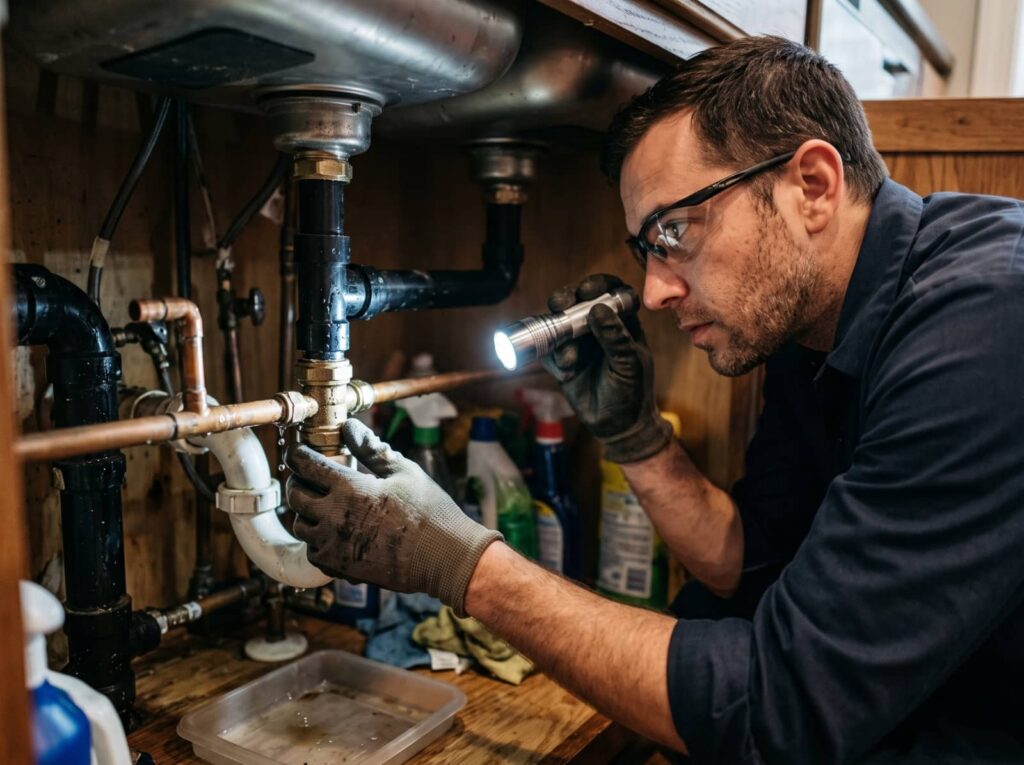
Inspect the damaged section of pipe to decide whether a repair will hold or a full replacement is safer. If the crack is small and the surrounding metal or PVC is sound, you can often use a code-approved coupling, patch, or solvent weld to restore service.
If corrosion, repeated freezing, or multiple splits weakened the line, replace the section instead of gambling on a temporary fix. Cut out all compromised material, square the ends, and match the new pipe to the existing size and rating.
Dry-fit before you bond or solder, then test the joint under pressure while you watch for seepage. When you work carefully, you protect your home and keep your system dependable, so your household can get back to normal with confidence.
Prevent Another Burst Pipe at Home
To keep another pipe from bursting, you need to address the conditions that caused the failure in the first place. Insulate exposed pipes, seal air leaks, and keep indoor temperatures stable, especially near exterior walls.
Inspect vulnerable lines after freezes, corrosion, or pressure spikes, and replace weak sections before they fail. You’re not handling this alone; a careful maintenance routine helps your home stay safe.
- Wrap pipes in approved insulation.
- Maintain heat above 55°F in cold rooms.
- Drain outdoor hoses and shut exterior valves.
- Schedule pressure and leak checks yearly.
If you notice condensation, rust, or recurring damp spots, call a licensed plumber quickly. Fast attention reduces risk and keeps your home’s plumbing reliable.
Frequently Asked Questions
Do I Need to Call My Insurance Company Immediately?
Yes, call your insurance company immediately. You’ll protect your claim, document damage, and get guidance on cleanup and repairs. Don’t delay; prompt notice can prevent coverage disputes and speed reimbursement after the flood.
How Soon Should I Contact a Plumber After the Flood?
You should contact a plumber immediately, ideally within minutes, after shutting off the water. You’ll reduce further damage, protect your home’s structure, and join the community of homeowners who act fast and prevent costly repairs.
Should I File a Police Report for Water Damage?
No, you usually shouldn’t file a police report for water damage unless you suspect vandalism, theft, or another crime. You should document the damage, contact your insurer, and keep repair records for claims.
Can I Stay in the House While It Dries Out?
You can stay if the damage’s limited and utilities are safe, but you’ll need strong ventilation, dehumidifiers, and clean water access. If you smell mold, see structural damage, or lose power, leave immediately.
What Records Should I Keep for Reimbursement Claims?
Keep receipts, photos, videos, repair estimates, inventories, cleanup invoices, hotel bills, and insurer correspondence. Note dates, times, and claim numbers. You’ll strengthen reimbursement claims when you document every damaged item, expense, and action taken.
Review
Act quickly after a burst pipe to limit damage and reduce repair costs. You should shut off the water, cut power to flooded areas, and document everything before cleanup begins. Homes with even 1 inch of standing water can suffer major floor and wall damage if you wait too long. Dry the area thoroughly, inspect for mold, and repair the pipe before restoring service. With prompt action and regular maintenance, you can prevent repeat flooding.