
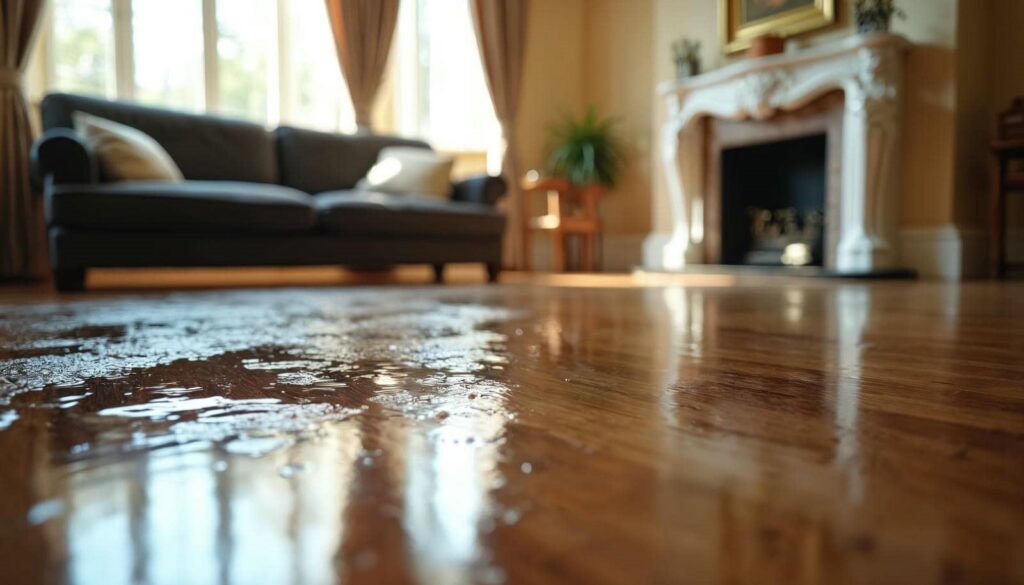
Emergency Water Removal Cost depends on several factors, including the source of the water, the extent of the damage, the size of the affected area, and the level of contamination involved. Clean water from sources like burst pipes may require less intensive treatment, while gray or black water often requires specialized equipment, additional safety measures, and more extensive cleanup procedures. Other costs can include water extraction, structural drying, moisture detection, damaged material removal, and repairs. Understanding the full scope of the damage helps you make informed decisions and avoid unexpected expenses during the restoration process.
Key Takeaways
- The severity of water damage significantly influences overall costs, with more extensive damage requiring more resources and time for remediation.
- The type of water involved (clean, gray, or black) affects treatment complexity and corresponding costs.
- The size of the affected area determines the amount of labor and equipment needed, impacting total expenses.
- Time elapsed since water exposure increases costs due to further damage and the complexity of extraction.
- Local labor rates and the level of expertise required can vary, influencing labor costs and overall service expenses.
Understanding Emergency Water Removal Costs
When you face a water emergency, understanding the costs involved can help you make informed decisions quickly.
Emergency water removal costs typically range from a few hundred to several thousand dollars, depending on the severity of the situation. Factors like the extent of water damage, type of water (clean, gray, or black), and area affected can notably influence pricing.
Additionally, time is vital; prompt action can minimize damage and costs. You’ll want to take into account the costs of equipment rental, labor, and potential repairs.
Knowing these details aids budgeting and helps you communicate effectively with restoration professionals. Being prepared can make a stressful situation more manageable, fostering a sense of community and support.
Key Factors Affecting Water Removal Costs
Several key factors influence the costs associated with water removal. First, the size of the affected area greatly impacts pricing; larger spaces require more labor and equipment.
Second, the type of water involved—clean, grey, or black—affects treatment methods and costs.
Third, the time elapsed since water exposure can escalate expenses, as longer durations lead to increased damage and potential mold growth.
Additionally, the complexity of the extraction process, including the need for specialized equipment or techniques, plays an essential role.
Finally, location matters; urban areas may have higher labor rates compared to rural settings.
Understanding these factors helps you anticipate costs and make informed decisions during an emergency.
How Damage Severity Influences Water Removal Expenses
The severity of water damage directly impacts your removal expenses.
Different types of water—clean, gray, or black—require varying levels of treatment, affecting costs considerably.
Additionally, the larger the area affected by flooding, the higher the expenses for extraction and restoration.
Type Of Water Damage
Water damage can vary considerably in severity, and understanding these differences is vital for estimating removal costs. The type of water involved plays an important role.
Clean water, such as from a broken pipe, typically incurs lower costs due to easier removal and treatment. In contrast, gray water, which contains contaminants from sources like dishwashers, requires more intensive cleaning and can elevate expenses.
Finally, black water, originating from sewage or flooding, poses significant health risks and demands the most extensive and costly remediation efforts.
Recognizing these distinctions helps you anticipate potential expenses and make informed decisions about the necessary steps for effective water removal.
Being aware of the type of water damage makes sure you’re prepared and proactive in addressing the situation.
Area Affected By Flooding
Understanding the area affected by flooding is key to estimating water removal costs. The severity of damage varies greatly depending on whether the water has impacted a small room or a larger space, like a basement or an entire floor of a building.
In smaller areas, you may find that costs remain lower due to less labor and fewer materials needed. However, extensive flooding can lead to significant expenses due to increased labor, the need for specialized equipment, and potential structural repairs.
Additionally, if the flood affects multiple levels or requires extensive drying methods, those costs can escalate quickly. Evaluating the extent of the damage accurately will help you prepare for the financial implications of emergency water removal.
Understanding Equipment Costs in Water Removal
When tackling emergency water removal, knowing the equipment costs can greatly impact your budget. Specialized tools like submersible pumps, high-powered vacuums, and dehumidifiers are vital for effective water extraction.
Submersible pumps typically range from $100 to $400, while industrial-grade vacuums can cost between $1,000 and $3,000. Dehumidifiers, important for preventing mold, may run from $300 to $1,500, depending on capacity.
Additionally, consider maintenance and rental fees if you’re opting for temporary solutions. Investing in high-quality equipment ensures durability and efficiency, ultimately saving you money in the long run.
Understanding these costs empowers you to make informed decisions, making sure you’re prepared when emergencies arise and feel confident in your choices.
How Location Affects Water Removal Prices
Your location greatly influences water removal prices, especially when comparing urban and rural areas.
Urban centers typically face higher local labor costs and quicker response times, while rural locations may encounter challenges with accessibility and transportation.
Understanding these factors can help you anticipate costs more accurately.
Urban Versus Rural Areas
While the cost of emergency water removal can vary greatly based on location, urban and rural areas present distinct challenges and pricing structures.
In urban settings, higher demand often leads to increased competition among service providers, which can help lower your costs. However, dense populations may result in quicker response times, potentially raising prices during emergencies.
In contrast, rural areas may face higher transportation costs and longer wait times, as fewer specialists are available. This can drive up prices, even if the initial service rates seem lower.
Understanding these factors helps you budget more effectively for emergency water removal, ensuring you’re prepared no matter where you live.
Local Labor Costs
You’ll notice that labor expenses can vary considerably based on local wage standards, which are impacted by regional economies. Additionally, in regions with a higher cost of living, you’re likely to pay more for labor.
Understanding these local dynamics can help you anticipate the overall cost of water removal services. It’s essential to choose a provider who balances quality and cost-effectiveness, ensuring you receive reliable service without overspending based on location.
Your awareness of these factors can help you make an informed decision.
Accessibility and Transportation Issues
For instance, narrow roads, remote locations, or lack of parking can delay service and raise transportation costs. Additionally, if your home is in a flood-prone region, specialized equipment may be necessary, further inflating expenses.
On the flip side, properties in urban areas might benefit from quicker response times and lower transport costs. Understanding these factors helps you anticipate potential costs and make informed decisions, ensuring you get the necessary help without unnecessary financial strain.
How Insurance Affects Emergency Water Removal Costs
Understanding how insurance impacts emergency water removal costs is vital for homeowners facing unexpected water damage. Your insurance policy often determines coverage limits and deductibles, directly affecting your out-of-pocket expenses.
If you have a thorough policy, it may cover the full cost of water removal, minimizing your financial burden. However, policies with higher deductibles might leave you responsible for considerable expenses.
It’s important to review your coverage and understand exclusions, as some policies may not cover specific types of water damage, like flooding. Communicating promptly with your insurance provider can expedite claims, ensuring timely access to necessary services.
Ultimately, being informed about your insurance can greatly lessen the stress and costs associated with emergency water removal.
Frequently Asked Questions
How Long Does the Emergency Water Removal Process Usually Take?
The emergency water removal process usually takes anywhere from a few hours to a couple of days, depending on the severity of the situation.
You’ll notice that initial extraction can be quick, but drying and dehumidifying may extend the timeline.
Factors like the size of the affected area and the materials involved play a vital role.
Staying in touch with your service provider helps keep you informed throughout the entire process.
Can I Handle Water Removal Myself to Save Costs?
You might think handling water removal yourself is as easy as pie, but it’s often more complicated.
While you can save costs, you’re risking serious damage if things go wrong. Without the right equipment and expertise, you might miss hidden moisture, leading to mold or structural issues later.
If you’re not experienced, it’s wise to call professionals—they’ve got the tools and knowledge to do it right and ensure your space stays safe.
What Are the Potential Health Risks of Water Damage?
Water damage poses several health risks, including mold growth, which can trigger allergies and respiratory issues.
Contaminated water may introduce harmful bacteria and viruses, leading to infections.
Stagnant water can attract pests, further compromising your health.
Prolonged exposure to damp environments can cause chronic conditions like asthma.
It’s essential to address water damage quickly to mitigate these risks and ensure a safe living environment for you and your loved ones.
Are There Hidden Fees in Water Removal Services?
Yes, there can be hidden fees in water removal services.
These might include charges for initial assessments, equipment rental, or additional labor for unforeseen complications.
It’s essential to ask for a detailed estimate before work begins to avoid surprises.
Make sure you understand what’s included in the quoted price and clarify any potential extra costs.
Transparency from the service provider helps you feel more secure and informed about your decision.
How Can I Prevent Future Water Damage?
To keep future water damage at bay, think of your home as a fortress. Regularly inspect your roof and gutters for debris, ensuring proper drainage.
Seal cracks in your foundation and walls to prevent leaks. Install sump pumps in basements and consider moisture barriers in crawl spaces.
Finally, monitor your plumbing for any signs of wear or leaks. These proactive steps can save you from costly repairs down the road.
Review
Understanding the factors influencing emergency water removal costs can help you make informed decisions during a crisis. For instance, if your basement floods with gray water, the removal might cost considerably more due to the required sanitation processes. By evaluating the severity of the damage, equipment needs, and potential insurance coverage, you can better navigate the associated expenses and ensure a thorough restoration of your property.