
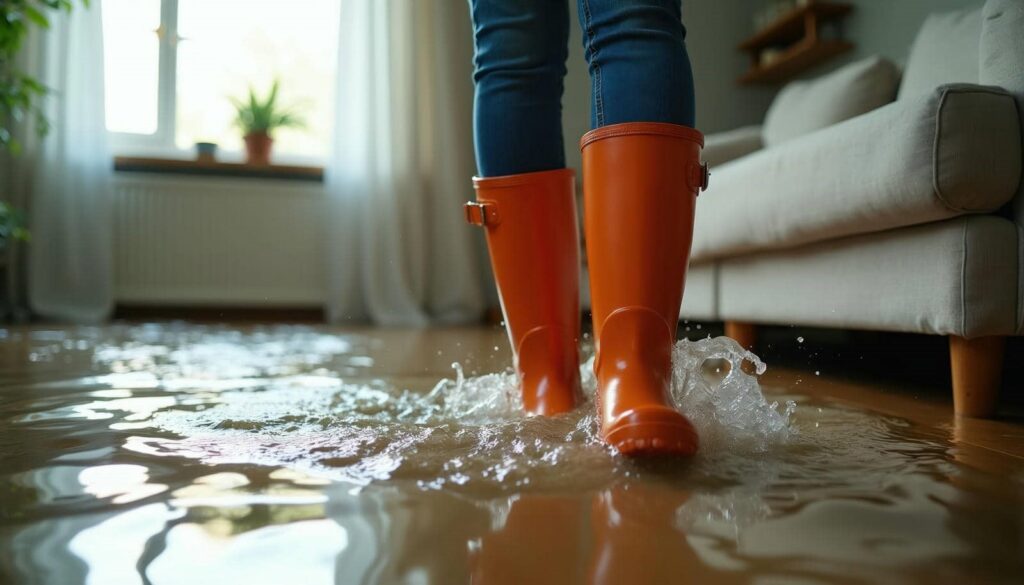
Just as a small leak can lead to a flood, understanding the cost to repair water damage in your home is essential for effective budgeting. The expenses can vary widely based on several factors, and knowing what to expect can save you from unexpected financial strain. As you navigate this complex issue, you’ll find that being prepared can greatly influence your choices and outcomes in the face of potential water damage.
Key Takeaways
- Repair costs for minor water damage typically range from $1,000 to $5,000, while extensive damage can exceed $20,000.
- The type of water involved (clean, gray, or black) significantly impacts treatment complexity and repair costs.
- Accessibility and location of the damage can increase labor and equipment expenses during repairs.
- Documenting damage thoroughly is essential for successful insurance claims, which may cover some repair costs.
- Obtaining multiple quotes from professionals helps ensure fair pricing for necessary repairs.
What Causes Water Damage in Homes?
Water damage in homes can stem from various sources, and understanding these causes is essential for prevention. Common culprits include leaky roofs, broken pipes, and overflowing appliances. Each of these issues can lead to significant water intrusion, resulting in structural damage and mold growth.
If you ignore these problems, you might face a higher cost to repair water damage in your house later on. Flooding from heavy rains or natural disasters can also be devastating, with long-term implications for your home’s integrity. Additionally, poor drainage systems can exacerbate water accumulation.
Assessing Water Damage: Your First Step
Evaluating the extent of water damage is vital for effective repairs and preventing further issues. Start by inspecting visible signs, such as discoloration on walls or ceilings, and damp spots on floors.
Don’t forget to check hidden areas like crawl spaces and behind appliances. Use a moisture meter if possible to measure levels in wood and drywall. Document your findings with photos for reference.
Next, identify the source of the water, whether it’s a leak, flood, or condensation. This step is essential to guarantee the problem doesn’t recur.
Finally, assess the damage’s severity—determine what can be repaired and what needs replacing. Taking these steps will help you take informed action and restore your home efficiently.
Average Water Damage Repair Costs
When dealing with water damage, understanding the average repair costs can help you budget effectively.
Typically, you can expect to pay between $1,000 and $5,000 for minor water damage repairs. This might include fixing small leaks, drying out affected areas, and replacing damaged materials.
For more extensive damage, costs can soar to $20,000 or more, especially if structural repairs or mold remediation are necessary.
It’s important to get multiple quotes from professionals to guarantee you’re getting a fair price.
Keep in mind that your homeowner’s insurance may cover some of these expenses, so check your policy for coverage details.
Being informed about these averages empowers you to make better decisions for your home.
Key Factors Affecting Water Damage Repair Costs
Several key factors influence the costs associated with water damage repair, and understanding them can help you anticipate expenses.
Here are three critical elements to evaluate:
Extent of Damage: The more extensive the damage, the higher the repair costs. Identify whether it’s a minor leak or significant flooding.
Type of Water: Clean water, gray water, and black water require different treatments. The more contaminated the water, the more complex and costly the cleanup.
Location of Damage: Damage in hard-to-reach areas may require additional labor and specialized equipment, increasing overall expenses.
Choosing Between DIY and Professional Water Damage Repairs
How do you decide between tackling water damage repairs yourself or calling in a professional? Start by evaluating the extent of the damage. If it’s minor—like a small leak or damp drywall—you might handle it with some tools and materials.
However, for extensive damage, mold growth, or structural issues, it’s wiser to hire a professional. Consider your skills and available time, too. DIY can save money, but mistakes can lead to higher costs later.
Professionals bring expertise and equipment, ensuring a thorough job. Ultimately, think about your comfort level with repairs and the potential risks involved. Balancing your budget, skills, and the severity of the damage will guide you toward the right choice for your home.
Navigating Your Water Damage Insurance
When it comes to water damage insurance, understanding the types of coverage is essential for your financial protection.
You need to familiarize yourself with the claim process steps to guarantee you get the compensation you’re entitled to.
This knowledge will empower you to navigate your policy effectively and tackle water damage repairs with confidence.
Coverage Types Explained
What coverage options do you have for water damage insurance? Understanding your choices can help you make informed decisions. Here are three main types of coverage:
Homeowners Insurance: This typically covers sudden and accidental water damage, like burst pipes or heavy rain, but may exclude flood damage.
Flood Insurance: If you live in a flood-prone area, this policy is essential. It specifically covers damage from rising water, ensuring you’re protected against severe weather events.
Water Backup Insurance: This add-on protects you from damage caused by sewer backups or drainage failures, which aren’t usually included in standard policies.
Claim Process Steps
Maneuvering the claims process for water damage insurance can feel overwhelming, especially after experiencing a loss. First, document the damage with clear photos and detailed notes. This evidence will support your claim.
Next, contact your insurance provider to initiate the claims process; they’ll guide you through their specific requirements. Be prepared to provide your policy number and details of the incident.
After submitting your claim, an adjuster will likely assess the damage. Stay organized and keep records of all communications. If additional information is requested, respond promptly to avoid delays.
Finally, review the settlement offer carefully. Don’t hesitate to ask questions or negotiate if necessary. Understanding these steps can help you navigate the process more confidently and efficiently.
Steps to Take Immediately After Water Damage
After water damage occurs, it’s essential to act quickly to minimize further issues. Here are three critical steps you should take immediately:
Shut Off the Water Source: If you can, turn off the main water supply to prevent additional flooding. This is your first line of defense.
Document the Damage: Take photos and notes of the affected areas. This documentation will be invaluable for insurance claims and future repairs.
Remove Excess Water: Use mops, towels, or a wet/dry vacuum to remove standing water. The sooner you do this, the less likely mold and structural damage will develop.
Preventative Measures to Avoid Future Water Damage
To prevent future water damage, it’s crucial to implement proactive measures that protect your home.
Start by regularly inspecting your roof and gutters for debris; clean them at least twice a year. Verify your windows and doors are properly sealed to prevent leaks.
Consider installing a sump pump in your basement to manage groundwater. Additionally, check your plumbing for leaks or corrosion and replace any worn-out fixtures promptly.
Invest in water alarms that alert you to leaks early. Finally, maintain proper drainage around your home by sloping soil away from the foundation.
What Happens During Water Damage Repair?
When water damage occurs, the repair process begins with a thorough assessment of the affected areas to determine the extent of the damage.
Next, you’ll see a systematic approach to restoration, which typically involves:
Water Extraction: Professionals use pumps and vacuums to remove standing water quickly.
Drying and Dehumidification: They set up fans and dehumidifiers to eliminate moisture from walls and floors.
Repair and Restoration: This includes fixing or replacing damaged materials like drywall, flooring, and insulation.
Throughout this process, it’s essential to communicate with your repair team, ensuring you’re informed and comfortable with each step.
Frequently Asked Questions
How Long Does It Take to Repair Water Damage?
Repairing water damage typically takes anywhere from a few days to several weeks, depending on the extent of the damage.
If it’s minor, you might see results in just a few days, but major issues, like structural repairs or mold remediation, can extend the timeframe considerably.
You’ll want to act quickly and consult professionals to assess the damage accurately and expedite the repair process, ensuring your home returns to a safe condition.
Can Water Damage Be Covered by Home Warranties?
Yes, water damage can be covered by some home warranties, but it depends on the specific terms of your policy.
Many warranties exclude certain types of water damage, like those from flooding or neglect.
It’s essential to read your warranty details carefully and ask your provider about coverage specifics.
If you find yourself facing water damage, knowing your warranty can save you time and money, so don’t hesitate to reach out for clarification.
What Types of Mold Can Develop After Water Damage?
After water damage, you might encounter several types of mold, including Cladosporium, Aspergillus, and Stachybotrys (black mold).
Cladosporium can grow on damp surfaces, while Aspergillus thrives in various environments, often affecting those with allergies.
Stachybotrys, known for its potential health risks, typically appears in areas with excessive moisture.
It’s essential to act quickly—removing water and drying the area can help prevent these molds from taking hold in your home.
How Can I Identify Hidden Water Damage in My Home?
To spot hidden water damage, think of your home like a book: the cover looks fine, but the pages might be warped.
Start by checking for discoloration on walls and ceilings, and listen for unusual sounds, like dripping or running water.
Inspect areas around windows, pipes, and appliances for dampness.
If you smell mustiness or see mold, it’s a sign you need to dig deeper.
Trust your instincts; your home communicates its needs.
What Are the Long-Term Effects of Water Damage?
Water damage can lead to several long-term effects, including structural weakness, mold growth, and damage to electrical systems.
You might notice persistent odors or stains, which can indicate hidden issues. If you ignore these signs, your property’s value could decrease, and your health might be at risk due to mold exposure.
Addressing water damage promptly helps preserve your home’s integrity and keeps your living environment safe and comfortable.
Summary
In the journey of homeownership, unexpected water damage can feel like an unwelcome guest. However, by understanding the costs and taking proactive steps, you can navigate this challenge with confidence. Whether you choose to tackle repairs yourself or enlist professional help, being informed will empower you to make wise decisions. Remember, investing time and resources now can save you from future headaches and expenses, turning a potential disaster into an opportunity for growth and improvement.