
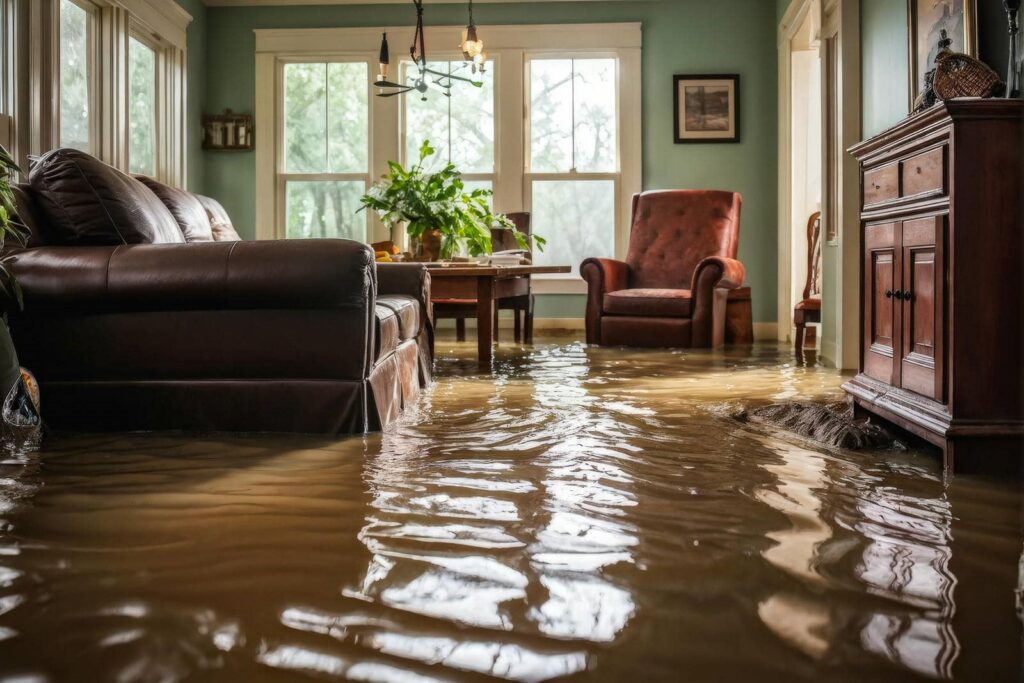
When water damage strikes, your emergency water damage restoration steps can make all the difference. You need to act quickly to minimize the impact on your home. Start by ensuring your safety and identifying the source of the water. Once you’ve got that under control, you can move on to effective mitigation strategies. But what essential tools should you have on hand, and when should you call in professionals? Understanding these steps is vital for every homeowner.
Key Takeaways
- Ensure safety by turning off electricity and gas in the affected area to prevent hazards.
- Stop the water source immediately to minimize damage from leaks or appliances.
- Remove excess water quickly using towels, mops, or a wet/dry vacuum.
- Open windows and doors to enhance airflow and support drying efforts.
- Inspect for mold growth and consider hiring professionals if damage is extensive or persistent.
Quick Steps to Mitigate Water Damage
When water damage strikes, acting quickly can make all the difference. First, verify your safety by turning off electricity and gas in affected areas.
Next, stop the source of water if possible—this could be a leaky pipe or appliance. After that, start removing excess water using towels, mops, or a wet/dry vacuum.
Open windows and doors to promote airflow and aid drying. Remove any items that can be salvaged, and place them in a dry area.
Finally, inspect for mold growth and consider using a dehumidifier to eliminate moisture. Following these emergency water damage restoration steps can greatly reduce damage and restore your home, giving you peace of mind in a stressful situation.
Identify the Source of Water Damage
Identifying the source of water damage is essential for effective restoration, as it helps prevent future issues.
Start by investigating various areas in your home to pinpoint where the water is coming from. Here are some common sources to check:
Leaking pipes: Inspect under sinks and behind appliances.
Roof leaks: Look for water stains on ceilings and walls.
Foundation cracks: Check for moisture in the basement or crawl space.
Flooding: Assess any recent heavy rain or flooding events.
Appliance malfunctions: Examine washing machines, water heaters, and dishwashers.
Stay Safe: Key Precautions to Take
After pinpointing the source of water damage, it’s important to prioritize your safety. Start by turning off the electricity in affected areas to prevent shocks.
If you see standing water, avoid wading through it, as it might be electrically charged. Wear protective gear, like gloves and boots, to shield yourself from contaminants.
Keep your windows open for ventilation, but don’t put yourself at risk by going near damaged structures. If the damage is extensive, consider evacuating until professionals assess the situation.
Essential Tools for Water Damage Restoration
Having the right tools at your disposal is essential for effective water damage restoration.
These tools speed up the process and ensure thoroughness, helping you reclaim your space. Here’s a list of must-have items:
- Wet/Dry Vacuum: For removing standing water quickly.
- Dehumidifier: To reduce moisture and prevent mold growth.
- Air Movers: To circulate air and expedite drying.
- Moisture Meter: To detect hidden dampness in walls and floors.
- Protective Gear: Including gloves, masks, and boots for safety.
With these tools, you’ll be better prepared to tackle the challenges of water damage, restoring your home’s comfort and safety effectively.
When to Call in the Experts for Water Damage?
When should you consider bringing in professionals for water damage? If you notice extensive flooding, significant structural damage, or if the water has been sitting for more than 24 hours, it’s time to call in the experts.
Mold can develop quickly in damp environments, posing health risks. If your home has experienced sewage backup or contamination, professionals are essential to handle hazardous materials safely.
Additionally, if you’re unsure how to assess the damage or lack the right tools, don’t hesitate. Experts can provide thorough inspections, effective drying techniques, and restoration services that ensure your home is safe and livable again.
Frequently Asked Questions
How Can I Prevent Future Water Damage in My Home?
To prevent future water damage in your home, regularly inspect your roof, gutters, and downspouts for blockages or wear.
Seal any cracks in your foundation and ensure your landscaping slopes away from your home.
Install sump pumps and check appliances for leaks.
Keep an eye on your water bill for unexpected increases, as this might signal a hidden leak.
Finally, consider investing in water detection systems for added protection.
What Insurance Coverage Is Available for Water Damage?
What would you do if a sudden leak left your home damaged? Most homeowners’ insurance policies cover water damage from sudden incidents like burst pipes.
However, flood damage often requires separate flood insurance. You should also check for coverage limits and exclusions in your policy.
It’s essential to understand your options so you can feel secure and prepared. Don’t hesitate to talk to your insurance agent about the best coverage for your situation.
Can I Use a Regular Vacuum for Water Extraction?
No, you can’t use a regular vacuum for water extraction. Regular vacuums aren’t designed to handle liquids and can get damaged or even create a safety hazard.
Instead, you should invest in a wet/dry vacuum specifically made for such tasks. These vacuums can effectively remove water without risking electrical issues or equipment failure.
If you’re facing significant water damage, consider professional help for a thorough and safe cleanup.
How Long Does It Take for a Home to Dry Out Completely?
It typically takes 5 to 7 days for a home to dry out completely, depending on factors like humidity and air circulation.
You’ll want to use fans and dehumidifiers to speed up the process.
Check for hidden moisture in walls and under floorboards, too.
If you’re unsure, don’t hesitate to call a professional—they can ensure everything’s thoroughly dried out to prevent mold and further damage.
Your home deserves the best care!
What Are the Signs of Mold Growth After Water Damage?
If you spot fuzzy patches that look like a science experiment gone wrong, you’ve likely got mold.
You might also notice a musty odor, like an old gym sock that won’t quit. Discoloration on walls or ceilings can signal trouble, too.
If your allergies kick in or you see blackened spots, it’s time to take action.
Don’t let mold take over your home; stay vigilant and act fast to protect your space.
Summary
In the face of water damage, acting swiftly is as crucial as a heartbeat. By following these emergency steps, you can minimize destruction and protect your home. Remember to prioritize safety and assess the situation carefully. Keep essential tools on hand, and don’t hesitate to call in professionals when needed. Taking these precautions ensures your space remains a safe haven, even when the unexpected happens. So, stay prepared and act decisively to safeguard your home.