
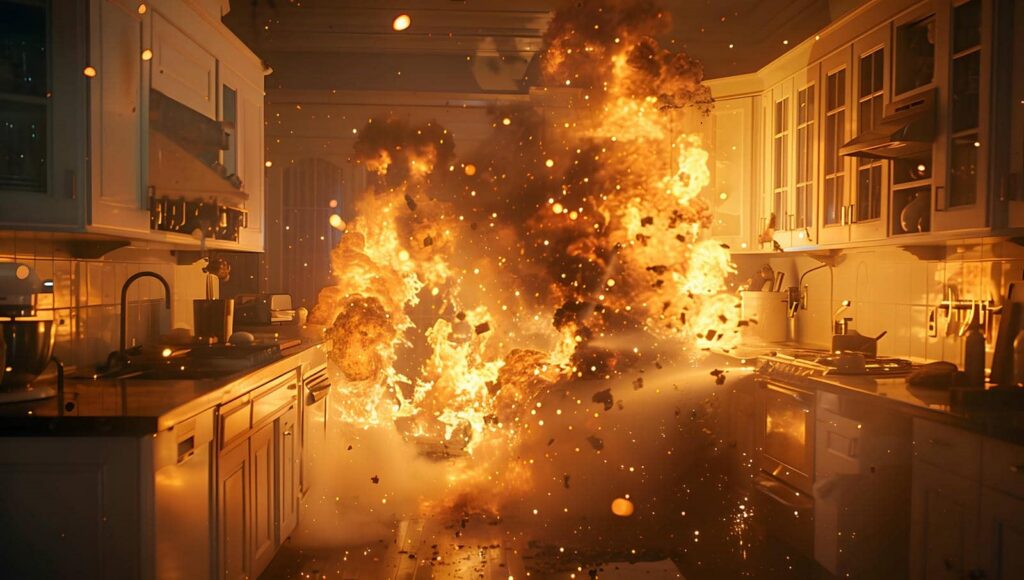
You might not realize that fire damage restoration isn’t just about putting out flames; it involves a complex timeline influenced by various factors. The extent of damage, building materials, and even weather can greatly affect how long the process takes. Understanding these elements is essential for setting realistic expectations. So, what are the typical phases of restoration, and how can you guarantee a smoother experience? Let’s explore these important details.
Key Takeaways
- Fire damage restoration timelines vary based on damage extent, typically ranging from a few days to several weeks.
- Weather conditions, such as rain or extreme heat, can significantly delay cleanup and drying processes.
- The type and extent of water damage from firefighting efforts influence the overall timeline.
- Building materials affect how quickly structures can be dried and repaired, impacting restoration duration.
- Effective communication with a certified restoration company helps set realistic expectations for completion dates.
What to Expect During Fire Damage Restoration?
When faced with the aftermath of a fire, you can expect a thorough restoration process that addresses not just the visible damage, but also the hidden dangers.
The fire damage restoration timeline typically begins with an assessment, where professionals evaluate the extent of the damage. You’ll see them identify structural issues, smoke residue, and potential health hazards like soot and mold. This initial phase is vital, as it sets the stage for effective remediation.
Next, you’ll experience debris removal and cleaning, which may feel overwhelming, but it’s essential for restoring your space.
Throughout this process, clear communication from your restoration team will help you feel informed and supported, ensuring you’re never alone in this challenging journey.
Typical Phases of Fire Damage Restoration
After the initial assessment and cleanup, the restoration process unfolds through several essential phases.
First, technicians focus on removing soot and smoke residues, employing specialized cleaning methods to prevent further damage.
Next, they’ll address water damage caused by firefighting efforts, ensuring proper drying and dehumidification.
Following that, repairs begin, including structural reinforcement and replacing damaged materials like drywall and insulation.
Don’t overlook the importance of deodorization, as lingering odors can affect your comfort.
Finally, the finishing touches involve repainting and restoring your space to its original condition.
Each phase is crucial in returning your home to a safe and livable state, and understanding this journey helps you feel more connected to the process and reassured about the outcome.
How Weather and Building Materials Affect Restoration Timelines
While various factors influence the timeline of fire damage restoration, weather conditions and building materials play pivotal roles in determining how quickly and effectively your home can be restored.
For instance, heavy rain or snow can delay restoration efforts, as it complicates cleanup and drying processes. On the other hand, extreme heat may increase the risk of structural weakening, necessitating more thorough inspections and repairs.
Additionally, the type of building materials in your home matters. Materials like wood may absorb smoke and water differently than brick, affecting how long it takes to remove contaminants.
Understanding these elements can help you grasp why your restoration timeline might extend, ensuring you’re prepared for the journey ahead with empathy and support from your restoration team.
Tips for Speeding Up Fire Damage Restoration
Although fire damage restoration can feel overwhelming, you can take several proactive steps to expedite the process. First, document the damage thoroughly with photos and notes; this will help your restoration team assess the situation quickly.
Next, contact your insurance provider immediately to start your claim, ensuring you understand your coverage.
Consider hiring a certified restoration company with a proven track record; their expertise can streamline the process.
Be present during assessments and communicate openly with your restoration team about your concerns and priorities.
Finally, remove any personal belongings that aren’t damaged; this can speed up the cleanup.
After Restoration: What to Expect
Once the restoration is complete, you’ll likely experience a mix of relief and uncertainty about what comes next.
It’s important to understand that while your space may look restored, some lingering effects might remain. You might notice odors or minor repairs needed that weren’t initially visible.
Don’t hesitate to ask your restoration team about these concerns; they’re there to support you.
You may also need to adjust to the changes in your environment, so take time to reestablish a sense of normalcy.
Consider documenting any remaining issues for future reference.
Finally, reconnect with your community and utilize available resources; they can provide emotional support as you adapt back to your everyday life.
You’re not alone in this journey.
Frequently Asked Questions
How Can I Prevent Fire Damage in the Future?
To prevent fire damage in the future, you should regularly check smoke detectors, replace batteries, and keep a fire extinguisher on hand.
Make sure your electrical systems are up to code and avoid overloading outlets.
Create a fire escape plan with your family, practicing it often.
Store flammable materials safely, and never leave cooking unattended.
Will My Insurance Cover All Restoration Costs?
Your insurance might cover most restoration costs, but it depends on your policy details.
Typically, standard homeowners’ insurance includes fire damage, but you should review your coverage limits and any exclusions.
Don’t hesitate to contact your insurance agent for clarity; they can guide you through the claims process.
What Items Can Be Salvaged After a Fire?
When it rains, it pours, but you can still salvage some items after a fire.
Look for metal objects, certain electronics, and hard furniture; they often withstand heat better.
While textiles and paper may be damaged, professionals can sometimes clean or restore them.
Always check with restoration experts to assess what can be saved.
How Do I Choose a Restoration Company?
To choose a restoration company, start by researching local options with solid reviews.
Look for certifications and experience specifically in fire damage.
Ask for detailed estimates and timelines, ensuring they address your specific needs.
It’s essential to communicate openly—trust your instincts about their empathy and professionalism.
Finally, check if they’re available 24/7; emergencies can happen anytime, and you want a team that’s ready to support you when you need it most.
Are There Health Risks After a Fire?
After a fire, your home can feel like a battlefield, and health risks linger like shadows.
Smoke and soot can cause respiratory issues, while lingering chemicals may lead to skin irritation or allergic reactions.
You might also encounter mold if water damage occurs.
It’s essential to address these hazards quickly, ensuring your space is safe for you and your loved ones.
Prioritizing health during restoration fosters a secure, welcoming environment you can cherish again.
Recap
In the face of fire damage, remember that “time heals all wounds.” While the restoration process can feel overwhelming, staying proactive and communicating with your restoration team can greatly speed things up. It’s crucial to manage your expectations as you navigate this challenging journey. By understanding the phases and potential delays, you empower yourself to rebuild your home and life. With patience and persistence, you’ll emerge stronger, ready to create new memories in a restored space.