
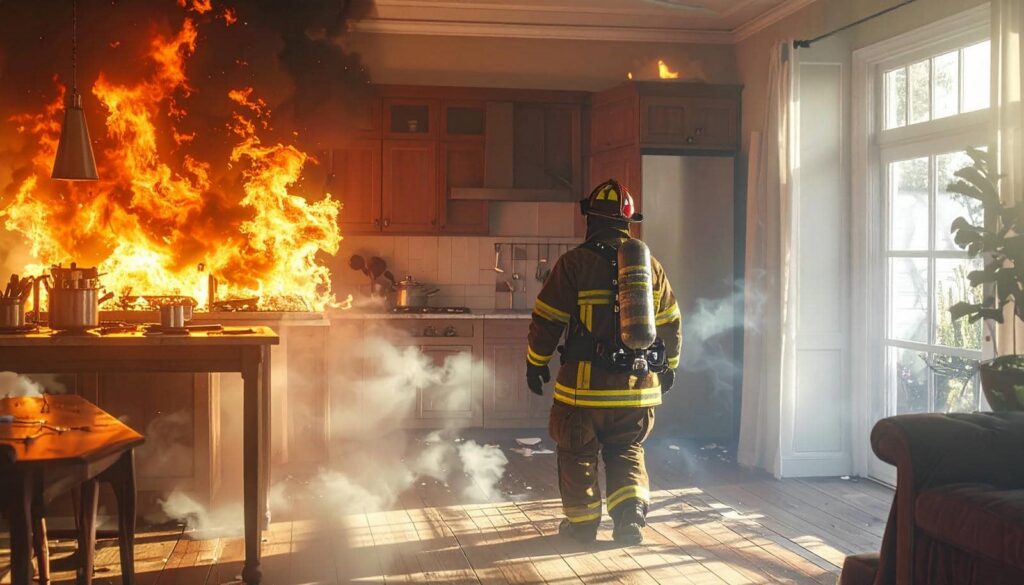
You might think soot is merely a cosmetic issue after a fire damage, but its impact goes far deeper. It can infiltrate walls, furniture, and even your HVAC system, jeopardizing air quality and increasing health risks. Understanding the importance of timely soot removal is essential for restoring your home. As you assess the damage, you’ll find there are specific tools and strategies that can make a significant difference. What should you know next?
Key Takeaways
- Soot can penetrate surfaces and HVAC systems, compromising air quality and causing long-term damage if not removed promptly.
- Timely soot removal prevents permanent discoloration, structural weakening, and health risks from airborne particles.
- Use essential tools like HEPA vacuums and soot sponges for effective cleaning without spreading soot.
- Always wear protective gear to avoid inhaling harmful particles and chemicals during the cleanup process.
- Consider hiring professionals for extensive damage or persistent odors, as they can ensure thorough and safe removal.
What Soot Does to Your Home
Soot creeps into every corner of your home after a fire, leaving behind more than just a mess. It’s a fine black powder that can penetrate walls, furniture, and even HVAC systems, damaging materials and compromising air quality.
If you don’t address soot removal after fire damage promptly, you risk enduring long-term effects. The acidic nature of soot can stain surfaces, corrode metal, and foster mold growth, posing health risks to you and your loved ones.
Furthermore, the lingering odor can be unsettling, making it difficult to reclaim your space. Understanding the implications of soot on your home is essential, as it underlines the importance of effective cleanup strategies to restore comfort and safety in your environment.
Why Timely Soot Removal Is Crucial After a Fire
When a fire occurs, the urgency of soot removal can’t be overstated, as delaying this process can lead to extensive damage. Soot, a byproduct of combustion, contains corrosive substances that can stain surfaces and degrade materials over time.
If you wait too long to remove soot, you risk permanent discoloration and structural weakening. Additionally, soot particles can become airborne, posing health risks to you and your family.
Prompt removal not only preserves your property’s integrity but also helps restore a sense of safety and comfort in your living space. By acting quickly, you minimize the long-term effects of fire damage, ensuring your home remains a welcoming environment.
Don’t underestimate the importance of addressing soot immediately after a fire.
Essential Tools for Effective Soot Removal
Effective soot removal requires the right tools to tackle the stubborn residue left behind after a fire.
Start with a high-efficiency particulate air (HEPA) vacuum, designed to capture fine particles without spreading them. You’ll also need specialized soot sponges, which are dry and absorbent, perfect for lifting soot off surfaces without smearing.
For tougher stains, a soft-bristle brush can help dislodge soot from textured surfaces. Don’t forget a bucket and warm soapy water for cleaning tools.
Finally, safety gear, including gloves and masks, is essential to protect yourself from harmful particles.
Your Quick Guide to DIY Soot Removal
When tackling soot removal, you’ll need specific tools to guarantee the process is effective.
Follow a clear step-by-step approach to maximize your results and minimize damage.
This guide will help you navigate the essentials for a successful DIY cleanup.
Essential Tools Needed
To tackle soot removal effectively, you’ll need a specific set of tools that can make the process more efficient and thorough.
Start with a high-efficiency particulate air (HEPA) vacuum to capture fine soot particles. You’ll also want microfiber cloths for wiping surfaces without scratching.
A stiff-bristle brush is essential for scrubbing walls and ceilings, while a commercial soot remover can help break down tough residues.
Don’t forget a spray bottle filled with a mixture of water and mild detergent for light cleaning.
Personal protective equipment, like gloves and masks, is vital to keep you safe.
With these tools at your disposal, you’ll be well-equipped to restore your space after fire damage.
Step-by-Step Process
With your tools ready, you’re set to start the soot removal process. First, put on your protective gear to avoid inhaling harmful particles.
Gently vacuum the soot using a HEPA filter vacuum, starting from the top of the affected area and working downwards.
Next, mix a solution of water and a mild detergent. Dampen a cloth with this solution and wipe down surfaces, ensuring you don’t oversaturate them. For stubborn stains, use a soft-bristle brush. Rinse the cloth frequently and change the water as needed.
After cleaning, allow surfaces to dry completely to prevent mold growth.
Finally, dispose of any contaminated materials properly, and ventilate the area to clear lingering odors.
You’ve got this!
When to Hire Professionals for Soot Removal?
How can you determine the right time to hire professionals for soot removal? If the fire damage is extensive, or if soot has penetrated hard-to-reach areas, it’s time to call in experts.
Professional teams have specialized equipment to effectively clean and restore your space, ensuring you don’t miss hidden residues that could harm your health.
Additionally, if you notice persistent odors or staining after your initial cleanup efforts, it’s a sign that deeper cleaning is necessary.
For large-scale fires, or if you’re unsure about the extent of the damage, hiring professionals is essential. They can assess the situation and provide a thorough cleaning plan, giving you peace of mind and restoring your home to a safe, livable condition.
Top 5 Mistakes to Avoid When Removing Soot
When tackling soot removal, many homeowners unknowingly make critical mistakes that can hinder the cleaning process and even exacerbate damage.
To guarantee effective cleanup, avoid these common pitfalls:
- Using Water Prematurely: Water can spread soot and create more extensive damage, especially on porous surfaces.
- Scrubbing Too Hard: Aggressive scrubbing can drive soot deeper into materials, making it harder to remove.
- Neglecting Safety Gear: Failing to wear masks and gloves exposes you to harmful particles and chemicals.
Preventing Future Soot Buildup After Fire Damage
Start by ensuring your home is well-ventilated; install exhaust fans in kitchens and bathrooms to reduce humidity and airborne particles.
Regularly clean your HVAC system and replace filters to trap dust and soot.
Using air purifiers with HEPA filters can greatly enhance indoor air quality.
Be mindful of your heating sources; keep them clean and well-maintained to minimize combustion byproducts.
Additionally, develop a regular cleaning schedule that includes dusting surfaces and vacuuming with a vacuum equipped with a HEPA filter.
Understanding Insurance for Soot Damage Restoration
After addressing ways to minimize future soot buildup, it’s important to understand how your insurance can aid in soot damage restoration.
Familiarizing yourself with your policy can make a significant difference in your recovery process. Here are key aspects to evaluate:
- Coverage Limits: Know how much your policy covers for soot damage.
- Claim Process: Understand the steps involved in filing a claim, including documentation requirements.
- Exclusions: Be aware of any exclusions that might affect your coverage for soot-related damage.
Frequently Asked Questions
Can Soot Be Removed From All Surfaces Safely?
Yes, soot can be removed from many surfaces safely, but it depends on the material.
For porous surfaces like drywall or fabric, the removal process can be challenging and may require professional help.
Non-porous surfaces, like metal or glass, are typically easier to clean.
Always test a small area first and use appropriate cleaning agents.
If you’re unsure, consulting a restoration expert can guarantee you achieve the best results without causing further damage.
How Long Does Soot Removal Typically Take?
Soot removal’s like peeling layers off an onion—time-consuming yet necessary.
Typically, you can expect it to take anywhere from a few hours to several days, depending on the extent of the damage and the surfaces affected.
If you’re tackling it yourself, gather your supplies and be patient.
For thorough results, you might want to contemplate hiring professionals who can expedite the process and guarantee complete cleanliness.
What Health Risks Are Associated With Soot Exposure?
Soot exposure can pose several health risks, including respiratory issues, skin irritation, and potential long-term effects on lung function.
You might experience coughing, throat irritation, or even headaches. Prolonged exposure can heighten the risk of chronic health conditions, such as asthma or bronchitis.
It’s essential to address soot cleanup promptly to minimize these risks and guarantee a healthier environment for you and your loved ones.
Are There Any DIY Products I Should Avoid?
When tackling soot removal, avoid using products with harsh chemicals like bleach or ammonia, as they can spread soot particles and damage surfaces.
Don’t use abrasive cleaners, which might scratch delicate materials. Instead, opt for gentle, specialized soot cleaners designed for fire damage.
Always test a small area first to check for adverse reactions.
Prioritize safety by wearing protective gear, ensuring a thorough and effective cleaning process without unnecessary risks.
Will Soot Damage My Home’s Structural Integrity?
Soot’s sinister seepage can indeed jeopardize your home’s structural integrity. It settles into surfaces, causing corrosion and weakening materials over time.
If left unchecked, it can lead to costly repairs and safety concerns. You should act promptly to mitigate its effects, as lingering soot can damage not just aesthetics but also the very framework of your beloved space.
Prioritizing professional cleaning guarantees your home remains safe and sound for you and your family.
Recap
Swift soot removal is essential for safeguarding your space and sanity after fire damage. By utilizing the right tools and techniques, you can combat the lingering effects of soot and restore your home’s health. Remember, proactive prevention and prompt professional help can save you from future frustrations. Stay safe, stay smart, and guarantee your home’s recovery with careful consideration and consistent cleanup practices. Don’t let soot steal your sanctuary!