
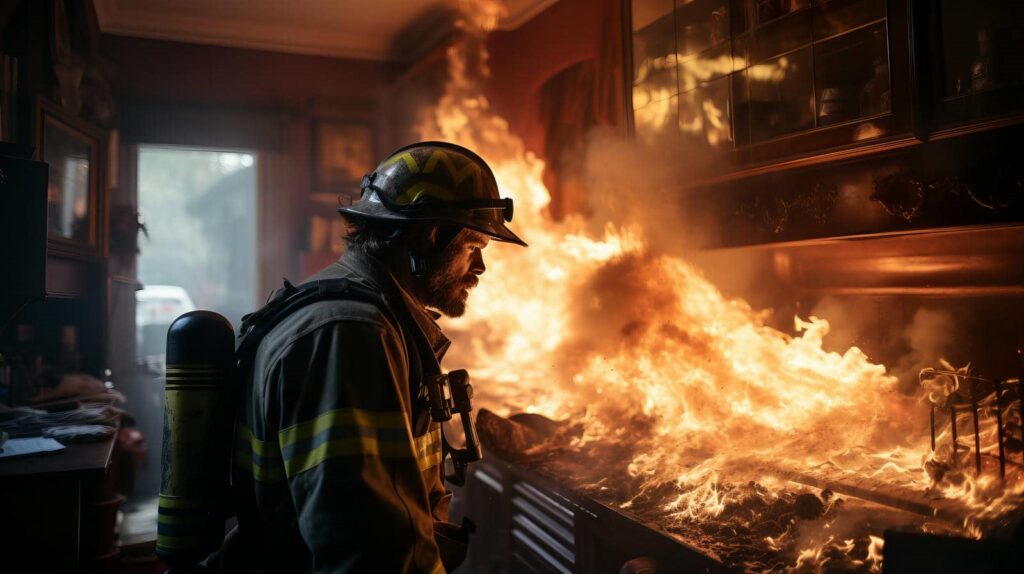
When you face the aftermath of a fire, understanding the fire damage restoration process is essential. It’s not just about repairing damage; it’s about guaranteeing safety and stability. Professionals assess the situation, prioritize tasks, and employ effective techniques to address smoke and water damage. Each step is vital to restoring your property. However, the path to recovery can feel overwhelming. What are the specific steps that need to be taken to guarantee a thorough restoration?
Key Takeaways
- Initial Safety Assessment: Ensure the area is secure before entering to avoid hazards and further damage.
- Damage Documentation: Capture photos and detailed notes of visible and hidden damage for insurance and restoration planning.
- Professional Evaluation: Engage fire damage specialists to assess thermal, smoke, and water damage for a comprehensive restoration strategy.
- Prioritize Restoration Tasks: Organize actions based on urgency and safety to effectively address the most critical issues first.
- Claim Process Initiation: Contact your insurance provider promptly and provide detailed information to facilitate a smoother claims process.
Understanding Fire Damage: Types and Effects
Fire damage can be devastating, affecting not just structures but also the lives of those impacted. Understanding the types and effects of fire damage is vital for effective fire damage restoration.
There are three primary categories: thermal damage, smoke damage, and water damage from firefighting efforts. Thermal damage occurs from the intense heat, compromising structural integrity and personal belongings.
Smoke damage can permeate materials, leaving behind odors and residue that need specialized cleaning. Water damage often results from extinguishing the fire, leading to further complications like mold growth.
Recognizing these effects enables you to take informed steps toward restoration, ensuring a smoother recovery process for you and your loved ones. It’s important to address each type promptly for a thorough recovery.
The Importance of Immediate Fire Damage Assessment
After a fire, acting quickly to assess the damage is essential for your safety and recovery.
By conducting a swift evaluation, you can identify not just visible destruction but also hidden hazards that might pose risks.
This immediate assessment lays the groundwork for effective restoration and guarantees that you address all potential dangers.
Swift Damage Evaluation
When a fire strikes, evaluating the damage quickly can make all the difference in your restoration efforts. Swift damage assessment allows you to identify the extent of the destruction, enabling you to prioritize immediate actions.
By acting fast, you minimize further deterioration from water, smoke, and soot. Documenting damage thoroughly is essential; it provides vital evidence for insurance claims and helps you understand what can be salvaged.
In this stressful time, having a clear plan can reassure you and your loved ones. Engaging professionals who specialize in fire damage assessment can guarantee nothing is overlooked and that you receive the support you need.
Identifying Hidden Hazards
How can you effectively identify hidden hazards in your home after a fire?
It’s essential to conduct a thorough assessment to guarantee your safety and well-being. Hidden dangers may not be immediately obvious, and neglecting them can lead to further problems.
Here’s what to look for:
- Structural Damage: Check walls, ceilings, and floors for cracks or instability.
- Electrical Hazards: Inspect wiring and outlets for damage or short-circuit risks.
- Smoke Residue: Identify areas with lingering soot, which can be harmful if inhaled.
- Toxic Materials: Be aware of hazardous substances, such as asbestos or chemicals, that may have been exposed.
Steps to Assess Fire Damage and Begin Restoration
Evaluating fire damage involves a systematic approach to guarantee a thorough evaluation and effective restoration. Start by securing the area; confirm it’s safe to enter.
Next, document visible damage, taking photos and notes to help guide the restoration process. Pay close attention to structural elements like beams and walls, as well as personal belongings that may need special care.
Then, assess the extent of smoke damage, which often requires professional input.
After that, prioritize your restoration tasks based on safety and urgency. It’s important to stay organized and communicate clearly with restoration professionals.
You’re not alone in this; reaching out for help can make the process smoother and more manageable, fostering a sense of community during this challenging time.
Effective Techniques for Smoke Residue Removal
Although smoke residue can be stubborn and pervasive, using the right techniques can effectively restore your space. Start by evaluating the affected areas, then follow these methods for ideal results:
- Dry Cleaning: Use a vacuum with a HEPA filter to remove loose particles.
- Wet Cleaning: Apply a mixture of warm water and a mild detergent to wipe surfaces.
- Chemical Cleaners: Utilize specialized smoke residue cleaners for stubborn stains.
- Odor Neutralizers: Employ ozone generators or air scrubbers to eliminate lingering smells.
How to Restore Structural Integrity After a Fire
Restoring structural integrity after a fire requires a systematic approach to guarantee safety and stability.
Begin by evaluating the damage with a qualified professional, focusing on load-bearing walls, beams, and foundations. You’ll want to document the extent of the damage thoroughly.
Next, remove any compromised materials, such as charred wood or weakened concrete, to prevent further risks.
Once cleared, reinforce the structure with steel supports or new framing as necessary.
It’s also essential to address any water damage from firefighting efforts, as moisture can lead to mold and additional structural issues.
Finally, ensure all repairs comply with local building codes, providing you peace of mind and a solid foundation for your recovery journey.
Navigating Your Fire Damage Insurance Claims
How can you effectively navigate the complexities of fire damage insurance claims? Understanding the process can make a significant difference in your recovery. Here are some essential steps to follow:
- Document everything: Take photos and keep records of damages and expenses.
- Contact your insurer: Notify them as soon as possible to initiate the claims process.
- Review your policy: Familiarize yourself with coverage limits and exclusions.
- Be detailed and honest: Provide accurate information to avoid delays or denials.
Essential Tips for Preventing Future Fire Damage Hazards
To prevent future fire damage hazards, you need to prioritize regular electrical inspections and maintain clear exits.
Both steps are essential in ensuring your safety and minimizing risks.
Regular Electrical Inspections
While you may not think about it often, regular electrical inspections are essential for maintaining safety in your home and preventing potential fire hazards. By prioritizing these inspections, you’re taking a proactive step towards safeguarding your loved ones and your property.
Here are some key aspects to reflect on:
- Check for frayed wires or loose connections.
- Confirm circuit breakers function properly and aren’t overloaded.
- Inspect outlets for signs of wear or damage.
- Verify that smoke detectors and alarms are operational.
Regular inspections help identify issues before they escalate, giving you peace of mind.
Make it a habit to schedule these checks, creating a safe environment where you and your family can thrive without worry. Your home deserves this attention and care.
Maintain Clear Exits
Maintaining clear exits in your home is essential, as even a moment’s hesitation during an emergency can have devastating consequences. Verify that all doorways and hallways are free of obstructions, such as furniture or storage items.
Regularly check that exit signs are visible and functional, particularly in dark areas. Create a clear evacuation plan, and practice it with your family to foster familiarity and confidence.
Consider installing smoke detectors near exits to provide early warnings. Keep emergency lighting functional to guide you during power outages.
By prioritizing these measures, you not only safeguard your home but also create a space where everyone feels secure and supported.
Frequently Asked Questions
How Long Does the Fire Damage Restoration Process Typically Take?
The fire damage restoration process typically takes anywhere from a few days to several weeks, depending on the extent of the damage.
You’ll want to assess the situation thoroughly and guarantee all safety measures are in place.
It’s vital to address water damage from firefighting efforts too.
Throughout this process, you’re not alone; professionals are here to guide you, helping you navigate each step and restore your space to its former condition.
What Are the Costs Associated With Fire Damage Restoration?
The costs associated with fire damage restoration can vary greatly, typically ranging from a few thousand to tens of thousands of dollars.
Factors influencing this include the extent of damage, materials affected, and the services required, such as cleanup, repairs, and smoke removal.
It’s essential to get a detailed estimate from professionals to understand your specific situation.
Can I Stay in My Home During Restoration?
You mightn’t be able to stay in your home during restoration, depending on the damage’s extent and safety concerns.
If structural integrity or air quality is compromised, it’s best to find temporary accommodations.
However, some areas may be safe for you to inhabit while work progresses.
Always communicate with your restoration team; they’ll assess your situation and help you make the best decision for your safety and peace of mind.
How Can I Find a Reliable Restoration Company?
Finding a reliable restoration company is like picking the right tool for the job; it makes all the difference.
Start by asking friends or family for recommendations, then check online reviews and ratings.
Verify their certifications and experience in fire damage restoration.
Schedule consultations to discuss your needs and gauge their empathy and professionalism.
Trust your instincts—choose a company that makes you feel understood and valued throughout the recovery process.
What Items Can Be Salvaged After Fire Damage?
After fire damage, you can often salvage items like metal appliances, dishes, and certain textiles, depending on their condition.
Electronics may be recoverable if they weren’t exposed to excessive heat or smoke.
Personal belongings, like photographs or documents, can sometimes be restored through specialized cleaning methods.
It’s essential to assess each item carefully and consult professionals, ensuring you make informed decisions about what can be saved and what should be discarded.
Summary
In the aftermath of a fire, swift action is essential for restoring your property and peace of mind. By understanding the recovery process and employing effective techniques, you’re not just repairing damage; you’re reclaiming your space. Remember, maneuvering through insurance claims can feel like climbing Mount Everest, but with the right guidance, you can reach the summit. Stay proactive in preventing future hazards, and you’ll guarantee your home remains a safe haven for years to come.