
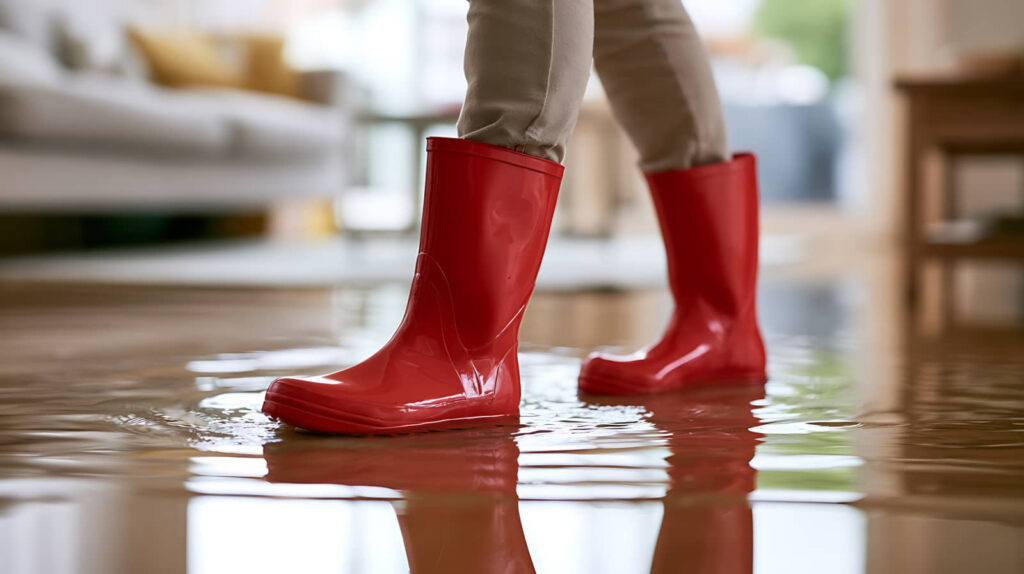
When you start flood damage restoration for your home, you can expect a methodical process that begins with safety checks and moisture mapping. Technicians will inspect structural damage, pump out standing water, dry materials, and watch humidity levels closely. They’ll also look for mold, sewage, and hidden damage that can affect repairs. What happens next often depends on what they find behind the walls.
Key Takeaways
- Restoration starts with removing standing water and drying the home quickly to limit further damage and contamination.
- Technicians inspect structural areas for cracks, sagging, and moisture-related safety hazards before repairs begin.
- Fans, pumps, dehumidifiers, and moisture meters are used to dry floors, walls, and hidden spaces thoroughly.
- Contaminated materials are cleaned or removed, and sewage-affected areas are disinfected and deodorized.
- Damaged drywall, flooring, insulation, and other components are repaired or replaced to restore the home safely.
What Flood Damage Restoration Includes
Flood damage restoration includes removing standing water, drying affected materials, cleaning and sanitizing surfaces, and repairing structural damage to your home.
When you choose flood damage restoration for homes, you get a coordinated process that targets moisture fast, limits contamination, and helps protect finishes, fixtures, and contents.
Technicians inspect affected areas, extract water, set up air movers and dehumidifiers, and monitor humidity until materials reach safe levels.
They also clean porous and nonporous surfaces with appropriate agents, then document what they’ve treated so you stay informed.
Throughout the work, you’re kept updated, so you can feel confident that your home is being handled by a team that knows how to restore comfort, function, and a sense of belonging.
Check for Structural Damage and Safety Risks
Once the water is removed and surfaces are drying, the next step is to check the home for structural damage and safety risks. You should inspect walls, floors, ceilings, and foundations for cracks, sagging, warping, or separation.
Test doors and windows for binding, which can signal shifting. Look closely at electrical outlets, breakers, and appliances for corrosion or moisture exposure, and keep power off until a qualified professional clears the system.
Don’t walk on visibly weakened flooring or enter areas with soft spots. If you notice gas odors, bubbling paint, or new gaps around frames, call a licensed specialist right away.
This careful assessment helps you and your household stay safe while restoration crews plan the right repairs and protect your home’s long-term stability.
Pump Out Water and Dry the Home
Start pumping out standing water as soon as it’s safe to do so, using submersible pumps, wet vacuums, or professional extraction equipment to remove water quickly and reduce further damage.
You’ll want to clear water from floors, crawl spaces, and low spots first, then work room by room so moisture doesn’t spread.
Open windows, run fans, and set dehumidifiers to pull humidity from walls, trim, and subfloors.
If you can, remove soaked rugs and furniture to improve airflow.
Keep monitoring moisture with a meter, because surfaces can feel dry before they’re fully dry.
This step helps your home stabilize faster and gives you a clearer path forward.
With careful drying, you’re protecting your space and getting closer to a safe, livable home again.
Remove Mold, Sewage, and Odors
If floodwater reached your home’s walls, floors, or contents, you’ll need to remove mold, sewage residue, and lingering odors before restoration can continue.
You should have contaminated materials bagged, labeled, and removed by trained technicians using protective gear and HEPA filtration. They’ll clean hard surfaces with EPA-registered disinfectants, then treat affected areas for mold growth and moisture pockets.
If sewage entered your space, they’ll sanitize thoroughly and verify that no harmful residue remains. You can expect deodorization methods such as thermal fogging, hydroxyl treatment, or air scrubbing to target trapped odors at their source.
This step helps you reclaim a safer, healthier home and reduces the risk of recurring contamination. When the cleanup is complete, you’ll know your restoration team has prepared a cleaner environment for the next phase.
Repair Walls, Floors, and Hidden Damage
With the area cleaned and dried, your restoration team can begin rebuilding damaged walls, flooring, and concealed structural components.
You’ll see them remove compromised drywall, trim, insulation, and subflooring, then inspect framing for swelling, rot, or fastener corrosion. They’ll replace materials with code-compliant products, match existing finishes, and seal joints to help stop future moisture intrusion.
If your home has hardwood, tile, vinyl, or carpet, they’ll repair or reinstall each surface with attention to leveling and expansion.
Behind the scenes, they’ll check electrical boxes, ducts, and insulation pockets for hidden damage that can weaken performance or safety.
This phase restores strength, comfort, and confidence, helping your home feel like your own again while reducing the chance of lingering problems later.
Frequently Asked Questions
How Long Does a Typical Flood Restoration Project Take?
Typically, you’ll see 3 to 10 days for drying and cleanup, but you may need 2 to 8 weeks for full repairs, depending on water depth, materials, and structural damage.
Will My Insurance Cover Flood Damage Restoration Costs?
Your insurance may cover it if you have flood coverage; standard homeowners policies usually don’t. You’ll review your policy, document damage, and file promptly. An adjuster will inspect, then you can start restoration.
Can I Stay in My Home During Restoration Work?
You can sometimes stay, but you’ll need to verify safety first. If crews isolate work zones, manage debris, and keep utilities stable, you might remain. Severe structural damage, mold, or electrical risks usually mean temporary relocation.
What Should I Do Before the Restoration Team Arrives?
Before the restoration team arrives, you should shut off utilities, document damage, move valuables, and clear access paths. This tiny prep can feel like taming a storm, and you’ll help crews work faster, safer, and smoother.
How Do I Choose a Reliable Flood Restoration Company?
Choose a reliable company by checking IICRC certification, insurance, local references, and 24/7 response. You’ll want clear estimates, moisture mapping, and written protocols. Trust teams that communicate well and include you throughout recovery.
Recap
When you hire flood damage restoration for your home, you can expect a fast, methodical response. Technicians check for structural risks, pump out standing water, and dry materials while monitoring humidity. They also remove mold, sewage, and odors, then repair walls, floors, and hidden damage. With each step, they guide your home back from the storm, like a ship steadily returning to harbor, so you can move forward with confidence and safety.