
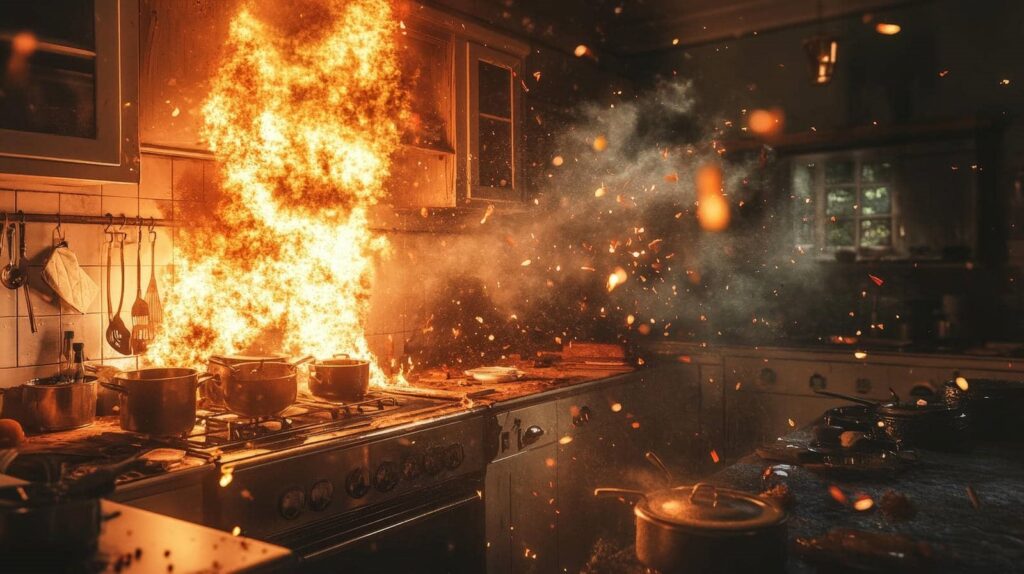
After a kitchen fire, you face a challenging fire damage cleanup process that can feel overwhelming. It’s vital to act quickly and safely to minimize damage and protect your health. You’ll need to assess the fire, smoke, and water damage throughout the space. Understanding the specific types of damage can guide your next steps. But before you begin, there are essential safety measures you must take to guarantee you’re not putting yourself at risk.
Key Takeaways
- Assess the extent of fire, smoke, and water damage to prioritize cleanup efforts effectively.
- Wear protective gear and ensure proper ventilation before starting the cleanup process.
- Use appropriate cleaning solutions like vinegar or commercial cleaners to remove soot and odors.
- Document all damage and cleaning efforts for insurance claims and future reference.
- Engage professional restoration services for extensive damage to ensure safe and effective recovery.
Types of Kitchen Fire Damage: What to Know
When a kitchen fire occurs, it’s crucial to understand the different types of damage involved. You’ll typically face three main categories: fire damage, smoke damage, and water damage.
Fire damage affects surfaces and structural elements, often requiring extensive repairs.
Smoke damage can linger, leaving odors and residue that may not be immediately visible. It can infiltrate walls and fabrics, complicating fire damage cleanup after a kitchen fire.
Finally, water damage from firefighting efforts can lead to mold growth and structural weakening.
Recognizing these types helps you prioritize your cleanup efforts and engage professionals effectively.
What to Do Immediately After a Kitchen Fire?
After a kitchen fire, your safety is the top priority, so guarantee everyone is out of the home and unharmed.
Next, contact emergency services to assess the situation and prevent further damage.
Taking these immediate steps can help protect you and your property in the aftermath.
Ensure Safety First
Securing your safety is the top priority immediately following a kitchen fire, as the risks of smoke inhalation and structural damage can escalate quickly.
First, assess your surroundings; check for hazards like flames, smoke, or weakened structures. If you’re in a safe area, stay there. Avoid re-entering the space until it’s deemed secure.
If you suspect smoke inhalation, breathe fresh air and seek medical attention if necessary. Don’t attempt to extinguish any lingering flames yourself. Wait for professionals who can handle it safely.
Remember, your wellbeing matters most. Reach out to loved ones for support; you’re not alone in this.
Prioritizing your safety guarantees you can begin the recovery process with a clear mind and a stronger spirit.
Contact Emergency Services
Once you’ve secured your safety, it’s important to contact emergency services right away. Dial 911 or your local emergency number to report the fire. Clearly state the location and extent of the fire, as well as any injuries.
Even if the flames seem extinguished, smoke and hidden embers can reignite. Stay on the line until the operator confirms they’ve all the information needed.
While you wait for help, avoid re-entering your home. It’s vital to let professionals handle the situation to guarantee everyone’s safety.
How to Check the Damage in Your Kitchen?
Inspecting your kitchen for fire damage requires a systematic approach to guarantee nothing is overlooked.
Start by checking the walls and ceilings for discoloration, soot, or bubbling paint. Pay close attention to appliances; any signs of damage or melting indicate they may need replacement.
Open cabinets and drawers to examine the contents; even if they look fine, smoke residue can linger. Inspect countertops for burn marks or cracks.
Don’t forget to check the plumbing and electrical systems; damaged wiring can pose serious risks. Document all findings with photos for insurance claims.
Essential Safety Tips for Cleanup
After evaluating the damage in your kitchen, prioritizing safety during cleanup is vital. You’ll want to take specific precautions to protect yourself and others.
Start by ensuring the area is free from hazards, and follow these essential tips:
- Wear protective gear, including gloves, masks, and goggles.
- Avoid using electrical appliances until you confirm the wiring is safe.
- Ventilate the space by opening windows and doors to reduce smoke exposure.
- Keep a fire extinguisher nearby in case of flare-ups.
Best Techniques for Removing Smoke and Soot From Surfaces
When it comes to removing smoke and soot from surfaces, you’ll want to use effective cleaning solutions tailored for the task.
Equipping yourself with the right tools is essential for achieving ideal results.
Effective Cleaning Solutions
Restoring surfaces after fire damage requires effective cleaning solutions to tackle the stubborn residue of smoke and soot. You’ll want to use a combination of techniques to guarantee thorough cleaning.
Here are some effective solutions to evaluate:
- Dish Soap and Water: A simple mixture can lift light soot from non-porous surfaces.
- Baking Soda Paste: Combine baking soda with water for a gentle abrasive that’s great on walls.
- Vinegar Solution: Mix equal parts vinegar and water to neutralize odors and disinfect surfaces.
- Commercial Cleaners: Look for products specifically designed for smoke and soot removal.
These solutions can help restore your space while providing a sense of comfort as you navigate the recovery process.
Proper Tools Required
To effectively tackle smoke and soot removal, having the right tools is essential. Start with a high-efficiency particulate air (HEPA) vacuum to capture fine particles.
Use soft-bristle brushes for delicate surfaces, ensuring you don’t scratch or damage them. A microfiber cloth is invaluable for wiping down surfaces, as it traps soot without spreading it around.
You’ll also need buckets for cleaning solutions, along with scrubbing pads for tougher areas. Don’t forget a respirator mask and gloves to protect yourself during the cleanup.
Finally, specialized cleaning agents designed for smoke damage can make a significant difference. With these tools at your side, you’ll feel more equipped to restore your space and reclaim a sense of home.
Step-By-Step Process
Although dealing with smoke and soot can feel overwhelming, following a clear step-by-step process makes it manageable.
Start by preparing the area and gathering your tools. Then, tackle the surfaces methodically to guarantee thorough cleaning.
Here’s a simple approach:
- Ventilate: Open windows to allow fresh air to circulate.
- Dust: Use a dry cloth or vacuum designed for soot to remove loose particles.
- Wash: Apply a mixture of water and a specialized cleaner to scrub surfaces, using sponges for textured areas.
- Deodorize: Use baking soda or activated charcoal to absorb lingering odors.
Handling Water Damage After Fire
Once a fire has been extinguished, the reality of water damage often sets in, complicating the recovery process. You’ll need to act quickly to prevent mold growth and further structural damage.
Start by removing standing water using pumps or wet vacuums. Make sure you wear protective gear to safeguard against contaminants.
Next, dry out the affected areas; open windows and use fans or dehumidifiers to promote airflow.
Inspect insulation, drywall, and flooring—replace any materials that aren’t salvageable. Don’t forget to check hidden spaces like cabinets and behind appliances.
Document the damage for insurance purposes, and keep track of your cleanup efforts.
How to Know When to Hire Fire Damage Experts?
When should you consider hiring fire damage experts? If you’re facing a kitchen fire’s aftermath, it’s essential to know when professional help is necessary.
Here are some signs that indicate you should reach out to fire damage specialists:
- The damage is extensive, affecting structural components or major appliances.
- Smoke and soot residue remains, posing health risks or lingering odors.
- You’re unsure about the safety of the environment or affected areas.
- You lack the time or resources to manage the cleanup effectively.
Tips for Preventing Future Kitchen Fires
To prevent future kitchen fires, it’s essential to adopt proactive safety measures that reduce risks.
Always stay in the kitchen while cooking, especially when using high heat. Keep flammable items like dish towels and paper products away from the stove.
Regularly clean your cooking surfaces and appliances to avoid grease buildup. Invest in a quality fire extinguisher and make sure it’s easily accessible.
Check smoke alarms monthly, replacing batteries as needed, and confirm they’re installed near your cooking area. Avoid wearing loose clothing that can catch fire.
Finally, educate your family on fire safety protocols, so everyone knows how to respond in an emergency.
Frequently Asked Questions
How Long Does Fire Damage Cleanup Typically Take?
Fire damage cleanup typically takes anywhere from a few days to several weeks, depending on the extent of the damage.
You’ll want to assess the situation and prioritize safety first.
Professionals can expedite the process and guarantee thorough restoration, but factors like insurance claims and repairs play a role in timing.
It’s important to stay connected with your cleanup team, as their guidance will help you navigate the challenges ahead smoothly.
Can I File an Insurance Claim for Fire Damage?
Yes, you can file an insurance claim for fire damage. Start by documenting everything—take photos and list damaged items.
Contact your insurance agent to discuss your policy’s coverage and file the claim promptly. They’ll guide you through the process, ensuring you receive the support you need.
What Should I Do With Damaged Appliances?
About 60% of home fires involve kitchen appliances, so if yours are damaged, act quickly.
First, unplug and safely dispose of any electrical appliances that show signs of fire damage. For those that seem salvageable, consult a professional for assessment and repair options.
Document everything for insurance claims.
Are There Health Risks Associated With Smoke Damage?
Yes, there are health risks associated with smoke damage.
You might experience respiratory issues, skin irritation, or eye problems due to the toxic particles in smoke. It’s vital to address these risks promptly.
If you notice lingering odors or visible residue, consider seeking professional help for thorough cleaning.
Protecting your health and your loved ones’ well-being is essential, so don’t hesitate to take necessary actions to restore your space safely.
How Can I Locate Hidden Fire Damage in My Kitchen?
You can locate hidden fire damage in your kitchen by inspecting areas like walls, ceilings, and under appliances.
Did you know that nearly 50% of kitchen fires go undetected until significant damage occurs?
Start by checking for discoloration, smoke stains, or unusual odors. Use a moisture meter to detect hidden moisture and look for warped surfaces.
If you’re unsure, consider consulting a professional to guarantee your home remains safe and secure.
To Sum Up
Cleaning up after a kitchen fire can feel overwhelming, but taking it step-by-step makes it manageable. You might think it’s easier to leave it to professionals, but tackling the damage yourself can be empowering and cost-effective. Just remember to prioritize safety and use the right techniques. With the right approach, you can restore your kitchen and prevent future incidents, ensuring a safe space for cooking and gathering again. Don’t hesitate—start the cleanup today!