
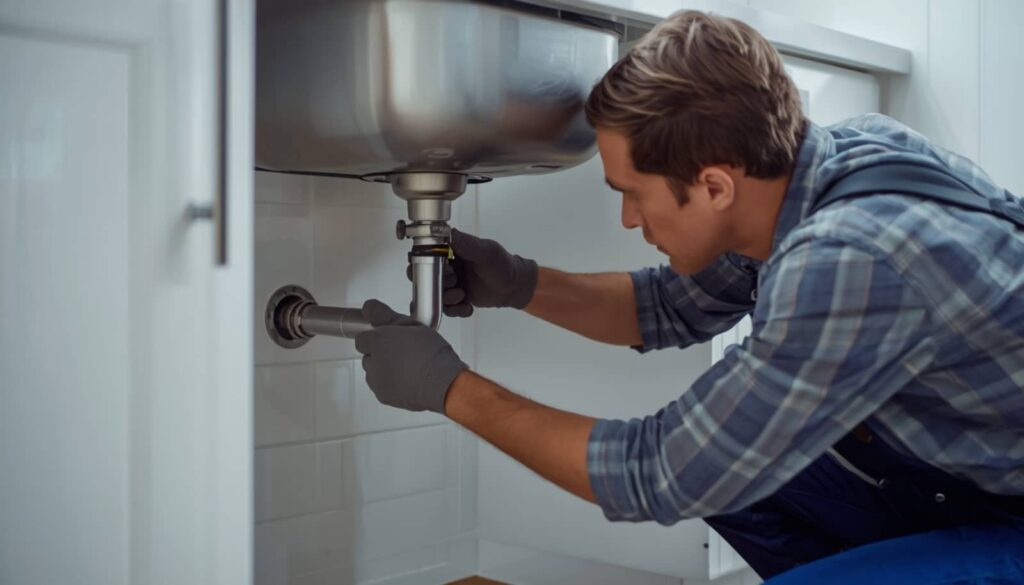
A burst pipe can be a minor fix or a major restoration, and the difference usually comes down to where the pipe failed and how long the water kept moving. Burst Pipe Repair Cost can rise when access is tight, while damage costs climb when drywall, flooring, or insulation must come out. If you want to control the bill, you need to know which repairs matter most and which ones don’t.
Key Takeaways
- Repair cost depends on pipe location, with hidden breaks in walls, ceilings, or attics costing more to access and fix.
- Water damage severity increases expenses because drying, cleanup, mold control, and material replacement may be required.
- Finished surfaces and hidden cavities raise labor costs, since demolition and careful protection of nearby materials take extra time.
- Inspection, pressure testing, and sanitation add to the total bill, especially when damage has spread beyond the original leak.
- Quick shutdown of water and prompt professional help can reduce damage, limit restoration needs, and keep costs lower.
What Affects Burst Pipe Repair Cost?
Burst pipe repair cost depends on several key factors, including where the pipe is located, how much water damage has occurred, and what restoration work the property needs.
You’ll usually see the biggest swing in burst pipe repair cost when the break affects finished materials, hidden cavities, or electrical systems. Water intrusion can raise labor, drying, sanitation, and replacement expenses fast.
You also pay for inspection, pressure testing, pipe replacement, and cleanup. If moisture spreads into floors, walls, or insulation, your total climbs.
Prompt action helps you stay in control and protects your home team from larger losses. A plumber and restoration crew can assess the scope, document damage, and give you a clearer estimate before costs grow further.
How Pipe Location Changes Repair Cost?
Pipe location can change your burst pipe repair cost more than the pipe itself, because accessibility drives labor, demolition, and restoration needs.
If the break sits under a sink, behind a cabinet, or in an open basement, you’ll usually face a faster, cheaper fix. When it’s buried in a wall, slab, attic, or ceiling, your crew may need to cut drywall, remove insulation, or work in tight spaces, which adds time and trade labor.
Long runs to reach valves or shutoffs can also increase service hours. You’ll pay more when the plumber must protect nearby finishes, then patch access points after the repair.
Knowing where your pipes run helps you plan sooner and stay in control with your home team.
How Water Damage Raises the Bill?
Water damage often turns a simple pipe fix into a larger restoration job because moisture can spread beyond the break and affect drywall, flooring, insulation, framing, and finishes.
You may see the repair bill climb when crews must dry the space, remove soaked materials, and verify hidden cavities aren’t still wet.
If water sits too long, you can also face mold risk, odor control, and extra cleanup that extends labor time.
Your costs rise further when technicians need moisture readings, containment, and sanitation before rebuilding starts.
Acting fast helps you limit structural impact and keep the job closer to the basic plumbing fix.
The sooner you shut off water, document damage, and call a pro, the more you protect your home and your budget.
Which Repairs Drive Up Restoration Costs?
Repairs that involve removal and rebuild usually push restoration costs higher, especially when crews have to cut out drywall, flooring, insulation, or cabinetry to reach wet areas. You’ll see the bill rise when your job needs more than drying and patching.
- Demolition of finished surfaces
- Structural framing repair
- Mold-contaminated material disposal
- Electrical or plumbing rerouting
- Finish carpentry and repainting
Each extra trade adds labor, materials, and coordination time. If water spread behind walls or under floors, you may need full section replacement instead of spot repair.
When your home needs matching finishes, crews often spend more time sourcing materials and blending repairs. You’re not alone here; these restoration steps are common after a burst pipe and they’re what usually drive the total cost up.
How to Cut Burst Pipe Repair Cost?
To keep burst pipe repair cost down, act fast and limit the damage before crews arrive. Shut off the main water valve, cut power to wet areas, and drain remaining lines.
Move furniture, rugs, and electronics away from leaks, then photograph every affected zone for claims and repair estimates. If you can safely access the break, wrap it with a temporary pipe repair clamp or epoxy putty, but don’t risk a hidden line.
Call a licensed plumber immediately and ask for a detailed scope so you avoid unnecessary demolition. Dry the area with fans and dehumidifiers to reduce restoration needs.
You’ll save more when you catch damage early, coordinate insurance quickly, and work with trusted pros who know your system and community.
Frequently Asked Questions
Does Homeowners Insurance Cover Burst Pipe Repairs?
Yes, your homeowners insurance usually covers burst pipe repairs if the damage was sudden and accidental. You’ll likely need to prove you maintained the system; policies often exclude gradual leaks, neglect, and frozen-pipe prevention failures.
How Quickly Should a Burst Pipe Be Fixed?
You should fix a burst pipe immediately, ideally within minutes, to stop flooding and reduce structural damage. Turn off the water, call a plumber, and start drying affected areas fast to limit repairs and restore comfort.
Can I Safely Shut off the Main Water Valve Myself?
Yes, you can usually shut off the main water valve yourself if you can reach it safely. Turn it clockwise, avoid forcing stuck valves, and call a plumber if you notice leaks, corrosion, or access hazards.
What Signs Indicate Hidden Mold After a Pipe Burst?
You’ll spot hidden mold by noticing musty odors, peeling paint, swollen drywall, dark spotting, and persistent dampness after cleanup. If these signs linger, you should inspect cavities, because mold thrives where water stayed unseen.
Should I Hire a Plumber or Water Damage Specialist?
Hire a plumber first for the leak, then a water damage specialist if moisture spread. You’ll protect your home faster, limit hidden mold, and avoid costly repairs by addressing both plumbing failure and restoration needs.
Final Thoughts
In short, your burst pipe repair cost depends on location, damage, and the repairs you need. A pipe behind a finished wall, for example, can turn a simple fix into a major restoration job with drywall removal, drying, and repainting. You can cut costs by acting fast, shutting off water, documenting damage, and calling your insurer right away. The sooner you respond, the less water spreads and the lower your final bill should be.