
When water damage strikes, your immediate response can markedly impact the recovery process. You need to act swiftly to guarantee safety and minimize further damage. Understanding the common causes of water damage is vital for prevention. You’ll also want to familiarize yourself with essential tools and techniques for effective restoration. But how do you know when to handle it yourself and when to call in the experts? Let’s explore these key aspects.
Key Takeaways
- Ensure Safety: Turn off electricity and gas in affected areas to prevent hazards during water damage repair.
- Identify the Source: Stop the source of water intrusion to prevent further damage before beginning repairs.
- Remove Water: Use a wet/dry vacuum or pump to eliminate standing water quickly and effectively.
- Dry and Sanitize: Employ dehumidifiers and fans to dry the area, and clean surfaces with mold-inhibiting solutions.
- Call Professionals: Seek expert help if mold, persistent moisture, or extensive damage is present, as they have specialized equipment and knowledge.
The Immediate Steps to Take After Water Damage
When you experience water damage, acting quickly can greatly mitigate the effects. First, guarantee your safety by turning off electricity and gas in affected areas.
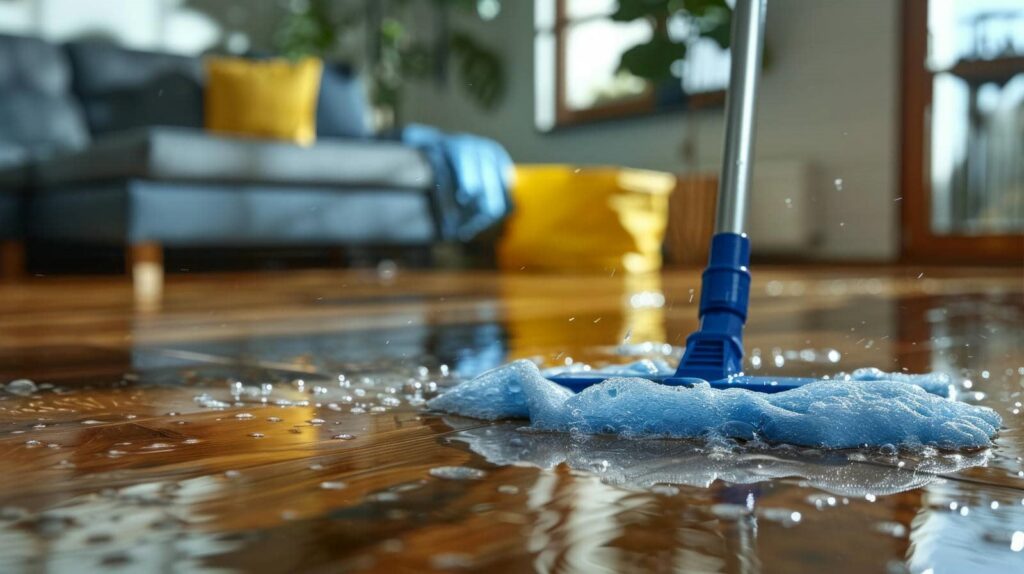
Next, identify the source of the water intrusion and stop it if possible. Begin removing standing water using mops or a wet/dry vacuum.
Once the area is dry, remove any damaged materials, like carpets or drywall, to prevent mold growth. Thoroughly inspect for hidden moisture, especially in walls and ceilings.
Use fans and dehumidifiers to accelerate drying. Document the damage for insurance purposes, as this’ll aid in your water damage repair process.
Finally, consult a professional if the damage is extensive, guaranteeing you’re part of a community that values safety and restoration.
Learn Why Water Damage Occurs
Understanding why water damage occurs is essential for prevention and timely response. Water damage often results from various sources, including plumbing leaks, roof failures, or natural disasters.
A small leak can escalate quickly, leading to significant structural issues and mold growth. Aging pipes and faulty appliances are common culprits, while heavy rains or flooding can overwhelm drainage systems, causing water to seep into your home.
Even humidity can contribute, especially in areas prone to condensation. Recognizing these risks allows you to take proactive measures, like regular inspections and maintenance.
What Tools Do You Need for Water Damage Repair?
For effective water damage repair, having the right tools is crucial. Equipping yourself with the necessary instruments not only guarantees a thorough job but also brings peace of mind.
Here’s what you’ll need:
- Moisture Meter: To detect hidden dampness and assess damage accurately.
- Dehumidifier: To reduce humidity and prevent mold growth.
- Wet/Dry Vacuum: For efficient water extraction from floors and carpets.
- Sump Pump: To remove accumulated water from basements or low areas.
With these tools, you’ll feel empowered to tackle water damage confidently.
Each piece plays a critical role in restoring your space, allowing you to reclaim your home and foster a sense of safety for you and your loved ones.
Effective Water Damage Restoration Techniques
Evaluating the extent of water damage quickly and accurately is essential for effective restoration.
Start by examining the affected areas—look for signs like discoloration, warping, or mold. Once you’ve pinpointed the damage, remove any standing water using a pump or wet/dry vacuum.
Next, focus on drying out the area; dehumidifiers and fans are vital for reducing moisture. Don’t forget to check hidden spaces, like behind walls or under floors, where water might linger.
After drying, clean and sanitize surfaces using mold-inhibiting solutions.
Finally, repair or replace damaged materials, ensuring everything is thoroughly inspected to prevent future issues. Following these techniques will help restore your space efficiently and effectively, bringing it back to its original state.
When to Call in Professional Water Damage Experts
When you notice extensive water damage or persistent moisture issues, it’s crucial to think about calling in professional water damage experts. Timely intervention can prevent further structural damage and health risks.
Here are some signs that indicate it’s time to reach out:
- You see mold growth or smell a musty odor.
- Your walls or ceilings have noticeable stains or warping.
- You experience increased humidity or condensation regularly.
- Water pooling persists despite your efforts to dry it.
Addressing these concerns promptly can save you time, money, and stress.
Professionals have the expertise and equipment to tackle water damage effectively, ensuring your home remains a safe and welcoming space for you and your loved ones.
Frequently Asked Questions
How Can I Prevent Future Water Damage in My Home?
To prevent future water damage in your home, regularly inspect your roof, gutters, and plumbing for leaks.
Guarantee proper drainage around your foundation and consider installing a sump pump if you’re in a flood-prone area.
Seal any cracks in walls and floors to block moisture.
Maintain humidity levels indoors with dehumidifiers, and always act quickly to address any signs of water intrusion.
Staying proactive now can save you time and money later.
What Types of Insurance Cover Water Damage Repairs?
When it comes to insurance, think of it as your safety net.
Homeowners insurance typically covers water damage from sudden incidents, like burst pipes or storms. However, it usually excludes flood damage, which requires separate flood insurance.
Additionally, consider a renter’s insurance policy if you’re renting; it often covers personal belongings.
Always review your policy details to guarantee you’re adequately protected, so you can feel secure in your home.
Are There Health Risks Associated With Water Damage?
Yes, there are health risks associated with water damage. Mold growth can occur within 24 to 48 hours, leading to respiratory issues, allergies, and skin irritation.
Contaminated water might harbor bacteria and viruses, posing serious health threats. If you notice water damage, it’s essential to address it promptly.
Guarantee proper ventilation and consider professional remediation to safeguard your health and that of those around you. Don’t underestimate the importance of acting quickly!
How Long Does the Water Damage Repair Process Take?
The water damage repair process typically takes anywhere from a few days to several weeks, depending on the extent of the damage and the materials involved.
You’ll need to assess the source, remove affected materials, and dry the area thoroughly.
After that, repairs and restoration can begin.
By staying organized and communicating with professionals, you can help facilitate a smoother and quicker restoration process.
Your proactive approach makes a significant difference!
Can I Claim Water Damage on My Taxes?
Yes, you can claim water damage on your taxes if it qualifies as a deductible loss.
To do this, you’ll need to itemize your deductions and guarantee the damage wasn’t covered by insurance.
Keep thorough records, including repair costs and any documentation of the damage.
It’s best to consult a tax professional to navigate specific requirements and maximize your potential deduction, as tax laws can vary considerably.
Review
Addressing water damage promptly is essential for minimizing long-term effects. Did you know that 14,000 people experience water damage emergencies daily in the U.S.? This statistic underscores the importance of being prepared and knowledgeable about the repair process. By following the steps outlined in this guide and utilizing the right tools, you can effectively restore your space. Don’t hesitate to seek professional help when needed to guarantee a thorough recovery and protect your property.