
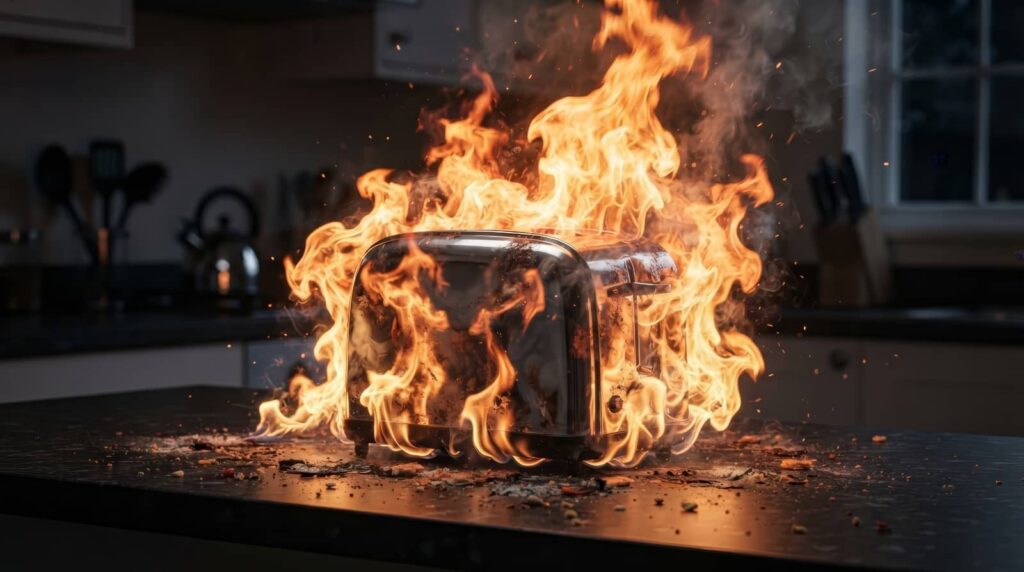
If you’ve experienced a kitchen fire, you understand the urgency of addressing smoke damage promptly. The lingering effects can compromise your home’s air quality and safety. It’s crucial to know how to assess the damage and what tools you’ll need for effective cleanup. Let’s explore the critical steps you should take to restore your space and protect your health.
Key Takeaways
- Prioritize safety by ensuring everyone is safe and calling emergency services to assess the fire situation.
- Document all damage thoroughly with photos for your insurance claim process.
- Evaluate smoke damage severity by checking for discoloration, odors, and structural integrity in materials.
- Use essential cleanup tools like respirators, industrial vacuums, and detergents for effective cleaning.
- Consult professionals if odors persist, soot remains, or health symptoms arise after initial cleanup efforts.
Why Understanding Smoke Damage Is Crucial After a Kitchen Fire
When a kitchen fire occurs, understanding smoke damage is essential because it can greatly impact your home’s structure and air quality.
Smoke can penetrate walls, ceilings, and furnishings, leading to lingering odors and potential health risks. You mightn’t realize that different materials produce various types of smoke, each requiring specific cleanup methods.
For instance, oily smoke from cooking may necessitate specialized cleaning agents, while soot from burning wood can settle in hard-to-reach places.
Effective smoke damage cleanup after a kitchen fire isn’t just about restoring aesthetics; it’s about ensuring your home remains a safe, welcoming space.
Knowing how to address smoke damage empowers you to reclaim your environment and protect your loved ones from unseen hazards.
Initial Steps to Take Immediately After a Kitchen Fire
After a kitchen fire, your first priority should be ensuring everyone’s safety; check for any injuries and evacuate if necessary.
Once you’re safe, call emergency services to handle any lingering hazards and assess the situation.
Finally, take detailed photos of the damage for insurance purposes, as thorough documentation is essential for your recovery process.
Ensure Personal Safety First
Even as the smoke clears and the reality of a kitchen fire sets in, your immediate priority should be securing your personal safety.
Start by evaluating the environment; check for any lingering smoke or flames. If you smell gas or see sparks, evacuate immediately. Avoid re-entering until it’s declared safe.
If you’ve inhaled smoke, seek fresh air and monitor your breathing. Gather family members and make sure everyone is accounted for. Remember, your well-being matters most.
If anyone’s injured, don’t hesitate to call for help. Avoid touching surfaces that may be hot or compromised.
It’s essential to stay calm; this helps you think clearly and act decisively. You’re not alone—support is available to guide you through this challenging time.
Call Emergency Services Promptly
Dialing emergency services should be your next step, ensuring help arrives swiftly.
Even if the flames seem extinguished, lingering smoke and heat can pose serious dangers. When you call, provide clear information about the fire’s location, any potential hazards, and whether anyone is trapped inside.
Stay calm; the operator will guide you through the process. They may ask for details like your address and the type of fire, so be ready.
While waiting for the firefighters, don’t re-enter the building. Breathing in smoke can be harmful, and structural damage may make it unsafe.
Document Damage Thoroughly
How can you ensure that all damage from a kitchen fire is properly documented? Start by taking immediate action to record everything before cleanup begins. This documentation will be essential for insurance claims and restoration efforts.
Snap clear photos of charred appliances and surfaces.
Note damage to walls, ceilings, and flooring.
List any items that need replacement, like dishes or furniture.
Capture the overall scene, showcasing the extent of smoke damage.
Keep a detailed log of conversations with firefighters and insurance representatives.
How to Evaluate the Severity of Smoke Damage?
When evaluating the severity of smoke damage, what key indicators should you look for? Start by examining surfaces for discoloration or soot deposits; these often indicate how deeply the smoke has penetrated.
Check for a lingering odor, as strong, acrid smells can signal extensive damage.
Look at structural materials—wood, drywall, and insulation. If they’re charred or warped, it’s a sign the damage is significant.
Don’t forget to assess your appliances and electronics; smoke can infiltrate and compromise their functionality.
Finally, consider the health impact; if you or anyone in your home experiences respiratory issues, the damage may be more severe than it appears.
Recognizing these signs can help you understand the necessary steps for recovery.
Gather Essential Tools for Smoke Damage Cleanup
After evaluating the severity of smoke damage, it’s time to gather the right tools for an effective cleanup.
Having the proper equipment will empower you to tackle the task efficiently and restore your space. Here’s what you’ll need:
- Respirator mask: Protects you from inhaling harmful particles.
- Industrial vacuum: Removes soot and debris from surfaces.
- Mild detergent and scrub brushes: Essential for surface cleaning and soot removal.
- Tarps and drop cloths: Helps protect unaffected areas during the cleanup.
- Dehumidifier: Reduces moisture to prevent mold growth.
Equipped with these tools, you’ll feel more confident as you work through the challenging process of restoring your home.
You’re not alone in this; every step you take brings you closer to a fresh start.
Step-by-Step Cleanup Process for Smoke Damage
Begin the cleanup process by evaluating the affected areas, focusing on surfaces where smoke residue has settled.
Start with walls and ceilings: use a soft brush or cloth to gently remove soot.
Next, tackle furniture and appliances, wiping them down with a damp cloth and a mixture of water and mild detergent.
Pay special attention to porous materials, as they can trap odors.
For fabrics, like curtains or upholstery, consider laundering or steam cleaning.
Don’t forget to check air vents and filters; replace or clean them to prevent recirculation of smoke particles.
Finally, open windows to air out the space.
This methodical approach helps restore your home and offers a sense of control during a challenging time.
When to Call Professionals for Smoke Damage?
How can you determine if the smoke damage in your home requires professional intervention? Recognizing the signs is essential for your safety and well-being.
If you notice any of the following, it’s time to call in the experts:
- Persistent smoke odor that lingers despite cleaning efforts
- Soot residue on walls, ceilings, or furniture
- Discoloration or staining on surfaces from smoke exposure
- Damage to electrical systems or appliances
- Health symptoms, like respiratory issues or headaches, affecting you or your family
Addressing smoke damage quickly can prevent further complications.
Professionals have the necessary tools and expertise to restore your home safely, ensuring you can return to a comfortable and healthy environment.
Don’t hesitate to reach out if you’re unsure!
Tips for Preventing Future Kitchen Fires
While kitchen fires can happen in an instant, you can take proactive steps to minimize the risk. Start by keeping flammable items, like dish towels and paper, away from the stove.
Always monitor cooking food; never leave it unattended. Use a timer to remind yourself when to check on simmering pots or baking dishes.
Regularly inspect your smoke detectors and replace batteries annually. Make certain your kitchen is equipped with a fire extinguisher, and know how to use it.
Clean grease buildup from stovetops and oven interiors frequently.
Finally, educate your family about fire safety; everyone should know emergency exits and how to respond in case of a fire.
Frequently Asked Questions
How Long Does Smoke Damage Cleanup Typically Take?
Smoke damage cleanup typically takes a few days to a couple of weeks, depending on the severity.
You’ll want to assess the damage thoroughly, as this affects the timeline.
First, you’ll need to remove soot and odors, which can be labor-intensive.
If structural repairs are necessary, that’ll add time.
Remember, it’s essential to address this promptly to prevent further issues.
You’re not alone in this—many people face similar challenges.
Can I Clean Smoke Damage Myself Safely?
Yes, you can clean smoke damage yourself safely, but it’s essential to take precautions.
Think of it like maneuvering through a maze—without the right tools and knowledge, you might get lost in the details. Use protective gear like masks and gloves, and ventilate the area well.
Start with dry cleaning methods to avoid spreading soot. If the damage is extensive, don’t hesitate to reach out for professional help.
You deserve a safe, clean home.
What Specific Odors Are Caused by Smoke Damage?
Smoke damage leaves behind a range of specific odors, primarily burnt wood, plastics, and food remnants.
You might notice a lingering acrid scent, often accompanied by a musty smell due to moisture.
These odors can permeate fabrics and surfaces, making them hard to eliminate.
If you’re dealing with this, it’s essential to address the source and ventilate the area properly, ensuring your space feels welcoming and fresh again.
You deserve a clean, odor-free home.
Will Insurance Cover Smoke Damage Restoration Costs?
Yes, your insurance might cover smoke damage restoration costs, but it depends on your policy.
You should review your coverage details and contact your insurer to clarify what’s included. Many policies cover fire-related damages, including smoke effects.
Document the damage thoroughly and keep all receipts.
It’s essential to act quickly to ensure you get the help you need and deserve.
You’re not alone in this; support is available to guide you through the process.
Are There Health Risks Associated With Smoke Damage?
Yes, there are significant health risks associated with smoke damage. When you inhale smoke particles, they can irritate your lungs, leading to respiratory issues.
You might also experience headaches or dizziness from toxic chemicals lingering in the air. It’s like a silent invader, impacting your well-being without warning.
If you’re exposed, especially over time, the risks increase. Prioritizing your health and seeking professional help is essential for a safe recovery environment.
Summary
As you navigate the aftermath of a kitchen fire, remember that smoke damage is more than just a visual nuisance—it’s a hidden threat to your home’s safety and air quality. By addressing it promptly, you restore your living space and safeguard your loved ones. Imagine reclaiming your kitchen, free from the shadows of smoke, where the aroma of home-cooked meals fills the air once again. Your proactive steps today can lead to a brighter, safer tomorrow.