
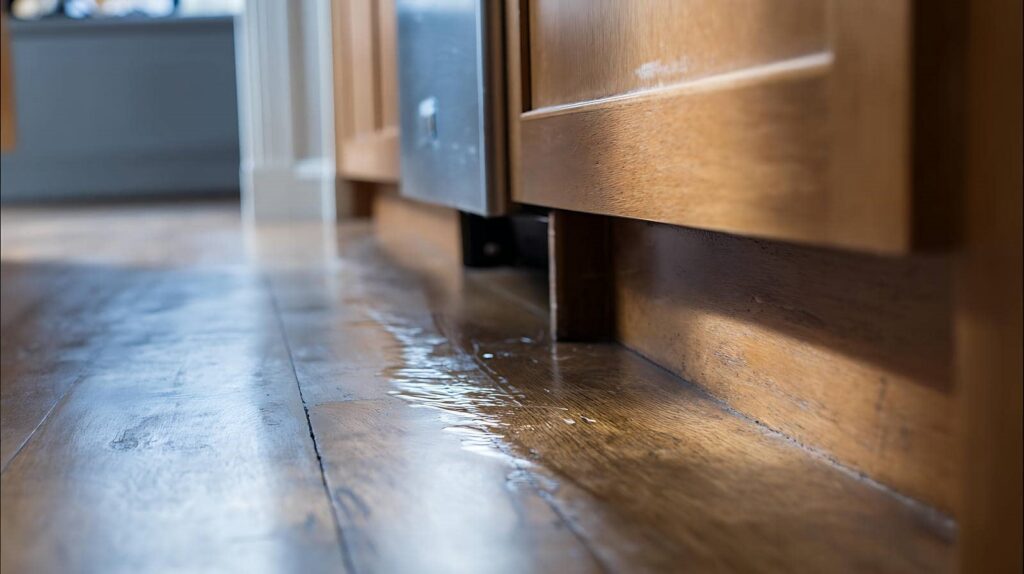
You notice a dark water stain creeping across your ceiling, a clear sign that something’s wrong. Ignoring it could lead to severe structural damage or health issues. Mold thrives in damp environments, and that odor you’ve detected isn’t just unpleasant; it’s dangerous. Elevated humidity and warped floors can amplify these problems. Understanding these signs is essential for timely intervention. What should you look for next to ensure your home stays safe and sound?
Key Takeaways
- Look for visible water stains on walls or ceilings, indicating potential leaks that require immediate attention.
- Notice unpleasant odors; musty smells suggest mold growth, which can pose health risks and needs prompt resolution.
- Check for high indoor humidity levels; excessive moisture can lead to warped floors and structural damage if not addressed quickly.
- Be aware of electrical issues like flickering lights or warm outlets, as water exposure can create dangerous malfunctions.
- If you find damp spots on walls or ceilings, act immediately to address plumbing leaks and prevent extensive damage.
Recognizing Water Damage: Signs and Solutions
When you notice unusual stains on your walls or ceilings, it’s essential to act quickly, as these often indicate water damage that could lead to significant structural issues.
Look for other signs you need water damage repair, such as a musty odor, warped floors, or peeling paint. These symptoms suggest moisture accumulation, which can foster mold growth and compromise your home’s integrity.
Don’t ignore small leaks; they can escalate into larger problems. Inspect your plumbing and roof regularly, and consider hiring professionals for a thorough assessment if you suspect damage.
Addressing these issues promptly protects your property and ensures a safe and healthy living environment for you and your loved ones.
Signs of Visible Water Stains on Walls and Ceilings
Visible water stains on walls and ceilings are a clear warning sign that something’s amiss in your home.
These unsightly marks often indicate underlying issues, such as leaks or condensation. If you notice yellow, brown, or even dark spots, don’t ignore them. They can signal significant water damage that might compromise your home’s structural integrity.
Inspect the affected areas closely; peeling paint or bulging drywall often accompanies these stains, revealing a more serious problem.
Act quickly—water damage can escalate rapidly, leading to costly repairs and potential health risks. It’s essential to address these signs immediately to protect your home and ensure a safe, healthy living environment for you and your loved ones.
Don’t wait; take action now.
Unpleasant Odors Indicating Mold Growth
If you notice unpleasant odors in your home, it could be a sign of mold growth, which often thrives in damp environments.
These musty smells aren’t just unpleasant; they indicate potential health hazards. Mold releases spores that can trigger allergies, asthma, and other respiratory issues.
It’s vital to act quickly. Identify the source of moisture—leaks, condensation, or high humidity—and address it immediately.
Ventilate the affected areas and consider professional mold remediation to ensure a safe environment.
Don’t ignore these odors; they signal underlying problems that can worsen if left untreated.
Protect your home and your health by prioritizing water damage repair before mold takes hold. Your family deserves a safe, odor-free space.
Peeling Paint or Wallpaper as a Warning Sign
If you notice peeling paint or wallpaper, it’s a clear indicator of underlying water damage.
This issue not only affects your home’s aesthetic appeal but can also greatly lower its market value.
Additionally, the moisture can lead to health risks, such as mold growth, that should be addressed immediately.
Causes of Peeling Paint
Peeling paint or wallpaper often signals underlying issues, particularly water damage that needs immediate attention. High humidity levels can cause moisture to seep into your walls, leading to deterioration.
Poor ventilation exacerbates this problem, trapping damp air that promotes mold growth. Additionally, leaks from plumbing or roofs can introduce water where it shouldn’t be, weakening the adhesive properties of paint and wallpaper.
In some cases, using low-quality materials may also result in peeling, as they can’t withstand moisture effectively. If you notice this issue, don’t ignore it.
Addressing the root cause quickly helps prevent further damage and protects your home’s integrity. Your space deserves to look its best, so act promptly to restore it.
Impact on Home Value
Water damage that leads to peeling paint or wallpaper is more than just an aesthetic issue; it can greatly impact your home’s value.
When potential buyers see damaged walls, they often assume the problem is deeper than surface-level neglect. This perception can lead to lower offers or even deter buyers altogether.
Additionally, peeling paint signals underlying moisture issues that could escalate, further diminishing your property’s appeal.
Repairing this damage promptly restores your home’s visual integrity and preserves its market value.
Ignoring these signs might save you time now, but it could cost you considerably later.
Acting quickly ensures your home remains a desirable investment, fostering a sense of belonging in a well-maintained environment.
Health Risks Involved
When you notice peeling paint or wallpaper, it’s essential to recognize that these visible signs often indicate deeper issues that can pose serious health risks.
Moisture trapped behind surfaces can lead to mold growth, which can trigger allergies, respiratory issues, and other health problems. If you don’t address the underlying water damage promptly, you could expose yourself and your loved ones to harmful spores.
Additionally, peeling materials may signal compromised structural integrity, which could lead to accidents. Ignoring these signs isn’t just about aesthetics; it’s about safeguarding your family’s well-being.
Don’t wait until the situation worsens—take action immediately to ensure a safe and healthy living environment for everyone in your home.
Humidity Levels: A Sign of Water Damage
Humidity levels in your home can signal underlying water damage, especially if they persistently exceed normal ranges. Ideally, indoor humidity should hover between 30% and 60%.
If you’re consistently measuring above this, it’s essential to investigate further. Elevated humidity can lead to mold growth, structural damage, and a host of health issues.
You might notice condensation on windows or walls, indicating moisture buildup. This isn’t just a minor inconvenience; it’s a sign that water is somewhere it shouldn’t be.
Addressing high humidity promptly can save you time, money, and stress. Don’t ignore this red flag—acting swiftly can help protect your home and your family’s well-being.
Trust your instincts; if something feels off, it probably is.
What Musty Smells Indicate About Water Damage?
A musty smell in your home often signals hidden water damage that needs immediate attention. This odor typically arises from mold and mildew, which thrive in damp environments.
If you notice this scent, it’s essential to investigate further. Check areas like basements, behind walls, or under sinks where moisture may accumulate unnoticed.
Ignoring this smell can lead to more severe structural damage and health risks due to mold exposure. Act quickly to identify the source of the moisture, as timely intervention can save you from costly repairs and protect your family’s well-being.
Don’t wait for the problem to escalate; address that musty smell now to ensure a safe and healthy living environment.
Signs of Buckling or Warping Floors
If you notice buckling or warping in your floors, it’s a clear indication of underlying water damage.
This often results from excessive moisture, which can severely compromise your home’s structural integrity.
Addressing these issues promptly is essential to prevent further damage and costly repairs.
Causes of Floor Damage
When moisture infiltrates your flooring, it can lead to significant issues like buckling or warping. Common causes include leaks from plumbing, high humidity levels, and flooding.
If you’ve experienced a recent water event, even minor spills can seep into your flooring materials, compromising their integrity. Wood floors are particularly susceptible, as they absorb moisture and expand, causing them to warp.
Additionally, improper installation can exacerbate these problems, leaving gaps that allow moisture to enter. Regularly inspecting your floors for signs of dampness and addressing any leaks promptly can prevent further damage.
Ignoring these issues now can lead to costly repairs down the line, so act quickly to safeguard your home and maintain a safe, comfortable environment.
Impact on Structural Integrity
Ignoring signs of moisture in your flooring can lead to serious structural issues, particularly buckling and warping. When wood absorbs excess water, it expands, causing your floors to swell and distort.
If you notice uneven surfaces or gaps between planks, it’s a clear indicator that water damage has compromised your flooring’s integrity. This isn’t just a cosmetic issue; it threatens the overall stability of your home.
Warped floors can lead to costly repairs and pose safety hazards, making immediate action vital. Don’t wait for the problem to worsen.
Addressing moisture issues promptly ensures your home remains safe and structurally sound, giving you peace of mind and a secure environment for you and your loved ones.
Electrical Issues From Water Exposure
Electrical issues can arise swiftly after water exposure, making it vital to address any signs of moisture in your home.
If you’ve noticed flickering lights, tripped breakers, or outlets that feel warm to the touch, these could be indicators of dangerous electrical malfunctions.
Water can corrode wiring and create short circuits, leading to potential fires or electrocution risks.
It’s important to act quickly—turn off power to affected areas and contact a licensed electrician for an assessment.
Don’t wait for symptoms to escalate; early intervention can prevent costly repairs and ensure your family’s safety.
How Plumbing Issues Relate to Water Damage?
Water damage often stems from plumbing issues, which can be just as insidious as electrical problems. Leaky pipes, dripping faucets, or malfunctioning appliances can lead to significant water accumulation in your home.
If you notice damp spots on walls or ceilings, it’s essential to act quickly. Mold thrives in moist environments, posing health risks to you and your family. Ignoring minor leaks may escalate into major repairs and costly damage.
Inspect your plumbing regularly, and don’t hesitate to call a professional if you suspect a problem. Remember, prompt action can save you from extensive repairs and maintain your home’s integrity.
Your safety and comfort depend on addressing these issues before they worsen. Stay vigilant!
Finding Reliable Repair Services for Water Damage
When facing the aftermath of water damage, it’s vital to find reliable repair services promptly to mitigate further issues.
Start by researching local companies that specialize in water damage restoration. Look for certifications—these indicate professionalism and expertise. Read online reviews to gauge customer satisfaction, and don’t hesitate to ask for references.
It’s essential to choose a service that offers 24/7 emergency response; water damage can worsen quickly. Confirm they provide a detailed assessment and transparent pricing. Get multiple quotes to compare services and avoid hidden fees.
Finally, trust your instincts; a reliable service will communicate clearly and make you feel supported during this stressful time. Your home deserves the best care to restore it to its original condition.
Frequently Asked Questions
How Quickly Can Water Damage Affect My Home’s Structure?
Water damage can affect your home’s structure in as little as 24 to 48 hours.
Once moisture seeps in, it compromises materials like wood and drywall, leading to mold growth and structural weakening. You might notice sagging ceilings or warped floors soon after.
If you act quickly, you can minimize the damage and protect your investment.
Don’t underestimate the urgency—addressing water issues promptly can save you time, money, and stress in the long run.
Can I Repair Water Damage Myself, or Should I Hire a Professional?
You can attempt minor water damage repairs yourself, like drying out affected areas and replacing small materials.
However, for extensive damage, it’s best to hire a professional. They’ll assess structural integrity, ensure proper mold remediation, and prevent future issues.
Rushing into DIY repairs without expertise can lead to more significant problems down the line.
What Are the Long-Term Effects of Untreated Water Damage?
Ignoring water damage can lead to a perfect storm of problems.
Mold growth, structural issues, and health risks can arise if you don’t address it promptly.
Over time, untreated damage can weaken your home’s foundation, causing costly repairs.
You might also face persistent odors and decreased property value.
Don’t let it linger; addressing water damage now can save you headaches and heartaches down the line.
Your home deserves better, and so do you.
How Can I Prevent Future Water Damage in My Home?
To prevent future water damage in your home, regularly inspect your roof, gutters, and downspouts for blockages and wear.
Seal any cracks in your foundation and ensure proper drainage around your property.
Install sump pumps in basements and consider water leak detection systems.
Maintain indoor humidity levels to avoid mold growth, and always address plumbing issues immediately.
Taking these proactive steps protects your home and fosters a sense of security for you and your family.
Does Homeowners Insurance Cover Water Damage Repairs?
Yes, homeowners insurance often covers water damage repairs, but it depends on the cause. Isn’t it essential to know what your policy includes?
Generally, sudden incidents like burst pipes are covered, while gradual issues, like leaks, mightn’t be. Always review your policy details, and don’t hesitate to ask your agent for clarification.
Protecting your home from unexpected costs can save you from financial stress in the long run.
Wrap-Up
Ignoring water damage can lead to costly repairs and health risks, but addressing it promptly protects your home and well-being. You might see a beautiful ceiling, yet beneath it lies the threat of mold. While the flickering lights seem harmless, they could signal dangerous electrical issues. Don’t wait for minor signs to escalate into major problems; act quickly to safeguard your space, ensuring it’s both a sanctuary and a safe environment. Your proactive steps today can prevent tomorrow’s disasters.