
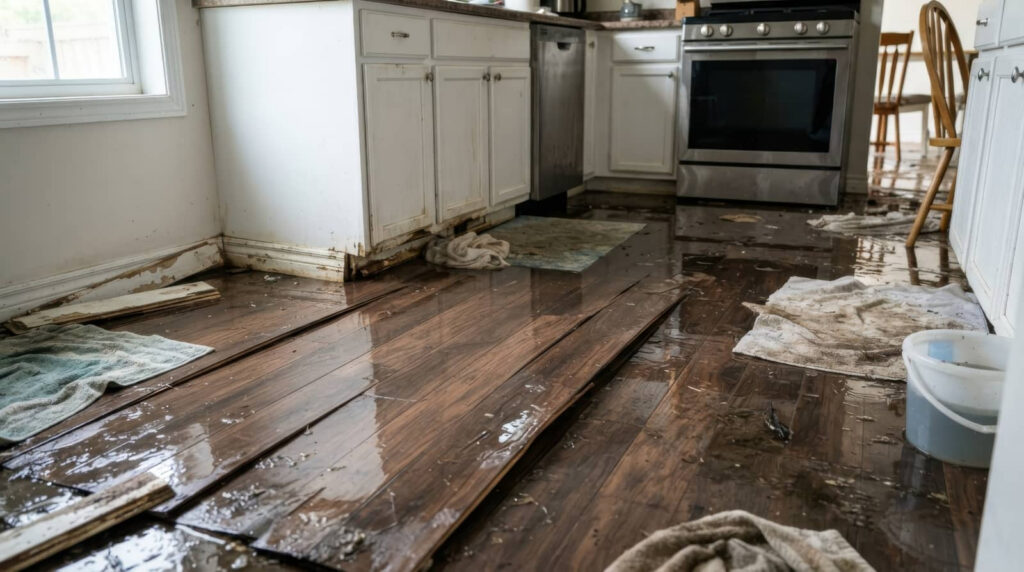
Water drips through warped baseboards and pools in the corners, turning a room into a silent hazard zone. You can handle only the smallest clean-water spills yourself, but once the area grows, materials stay wet, or contamination is possible, professional flood damage restoration becomes the safer choice. Trained technicians use targeted extraction, drying, and moisture checks to reduce hidden damage and health risk—while the real cost difference isn’t always what you expect.
Key Takeaways
- Professional restoration uses extraction, drying, and sanitizing to address hidden moisture and reduce long-term damage.
- DIY cleanup is only suitable for small, clean-water incidents on nonporous surfaces, with fast action and proper protective gear.
- Call professionals for contaminated water, large areas, or any damage reaching drywall, insulation, framing, or outlets.
- Experts use moisture mapping, industrial air movers, and commercial dehumidifiers to dry affected areas faster and more thoroughly.
- Common DIY mistakes include using household vacuums, sealing damp walls, mixing chemicals, and leaving soaked materials in place.
What Professional Flood Restoration Includes
Professional flood restoration includes a structured process that professionals use to remove water, dry affected materials, sanitize contaminated areas, and assess hidden damage.
You get trained technicians who inspect moisture pathways, document losses, and select extraction, dehumidification, and air-movement methods matched to the structure.
They isolate affected zones, protect unaffected rooms, and monitor drying to prevent secondary deterioration.
In professional flood damage restoration vs diy, you’ll see that expert crews also manage contamination control, odor treatment, and material salvage decisions with calibrated equipment and tested protocols.
You’re not left guessing; you’re guided through each phase with clear communication and measurable results.
That support helps you stay connected to a safe, stable home while the restoration team restores your environment efficiently and precisely.
When DIY Flood Cleanup Is Safe
DIY flood cleanup is only safe when the water source is clean, the affected area is small, and the damage is limited to nonporous surfaces that dried within about 24 to 48 hours.
You can handle this kind of loss with confidence when you act quickly, protect your space, and stay methodical.
- Wear gloves and waterproof boots before you start.
- Remove standing water with a wet vacuum or mop.
- Wash hard surfaces with detergent and dry them thoroughly.
Keep indoor humidity low with fans and open windows if weather allows.
Check baseboards, flooring seams, and cabinets for any lingering moisture.
If the area stays dry and the materials remain intact, your cleanup likely stayed within the safe DIY range.
When to Call a Flood Restoration Pro
Call a flood restoration pro when the water is contaminated, the affected area is large, or moisture has reached drywall, insulation, subflooring, or structural framing.
You’re dealing with more than surface cleanup; you need a qualified team that can assess hidden damage and protect your home’s integrity.
If you smell musty odors, see discoloration, or notice warped materials, treat those as warning signs.
You also should call immediately if the source was sewage, storm runoff, or backed-up drain water.
In these cases, DIY efforts can miss concealed hazards and create expensive secondary damage.
A professional gives you a clear plan, documented findings, and the confidence that your space is being handled by people who know the standards.
You’re not overreacting—you’re choosing the right level of response.
How Professionals Remove Water and Dry Homes Faster
Rapid water removal starts with industrial extraction equipment that pulls standing water from floors, carpets, and concealed pockets far faster than household tools can.
You get a coordinated process that reduces moisture before it spreads into drywall, trim, and subfloors. Technicians map wet zones with meters, then place high-velocity air movers and commercial dehumidifiers to accelerate evaporation.
That system helps you protect your home and stay with a crew that knows the rhythm of restoration.
- Extract water at the source quickly.
- Verify hidden moisture with precision tools.
- Dry materials with controlled airflow and humidity.
Because professionals balance extraction, airflow, and dehumidification, your home reaches safe moisture levels sooner, and you’re back in a cleaner, more secure space sooner.
DIY Flood Cleanup Mistakes to Avoid
Even a small flood can cause bigger problems when you clean it the wrong way, because common mistakes often trap moisture, spread contamination, and delay recovery.
You shouldn’t start with a household vacuum, since it can shock you and force dirty water deeper into materials. Don’t repaint, re-carpet, or seal walls before you verify they’re dry; hidden moisture feeds mold and weakens framing.
Remove soaked insulation, drywall, and carpet padding promptly, then isolate the area so you don’t carry spores into clean rooms. Wear gloves, boots, and a respirator when you handle contaminated debris.
Clean hard surfaces with detergent and disinfectant, but don’t mix chemicals. If water reached outlets, appliances, or structural cavities, stop and call trained professionals who know how to protect your home.
Flood Restoration Costs and Insurance
After you’ve sorted out the immediate cleanup, the next question is what the restoration will cost and what your policy will actually cover. You should expect pricing to track water category, affected square footage, drying time, material removal, and antimicrobial treatment.
Most carriers cover sudden discharge, but they often exclude groundwater, poor maintenance, and mold beyond stated limits.
- Get a line-item estimate before work starts.
- Photograph every damaged area and save receipts.
- Ask your adjuster about mitigation, contents, and depreciation.
If you’re part of a community that values preparedness, you’ll protect both your home and your claim by documenting fast and choosing certified restorers.
When you compare bids, verify equipment, labor, and monitoring fees so you’re not surprised later.
Frequently Asked Questions
How Long Does Mold Take to Grow After Flooding?
Mold can start growing within 24 to 48 hours after flooding, especially if you leave materials damp. You should dry affected areas fast, because humidity, warmth, and porous surfaces accelerate spore germination and contamination.
Can Floodwater Damage Electrical Systems Silently?
Yes—like a hidden fuse, floodwater can silently corrode wiring, short breakers, and weaken insulation. You’ll miss damage until circuits fail or shock hazards emerge, so you should have a licensed electrician inspect affected systems promptly.
What Personal Protective Equipment Should I Use During Cleanup?
Wear nitrile gloves, rubber boots, eye protection, an N95 or better respirator, and long sleeves. You’ll protect your skin, lungs, and eyes from contaminants, mold, and debris while you clean safely.
Does Floodwater Contamination Affect Carpets and Upholstery?
Yes—contamination penetrates carpets and upholstery, risking mold and pathogens. You’ll need prompt extraction, cleaning, and drying; if water’s sewage-tainted, replace materials. As they say, “better safe than sorry”; you protect your space and community.
How Do I Document Flood Damage for Insurance Claims?
You’ll document flood damage by photographing every affected area, listing damaged items with estimated values, preserving receipts, and recording dates, water levels, and cleanup actions. Submit everything quickly, and keep copies for your adjuster.
Final Thoughts
You can mop, you can dry, and you can sanitize—but only when the water is clean and the damage is minor. You should call a restoration pro when the loss is large, the water is contaminated, or hidden moisture threatens structural damage. Professionals extract faster, dry deeper, and document better for insurance. DIY cleanup can save money, but a rushed response can cost you more. Choose the method that protects your home, your health, and your investment.