
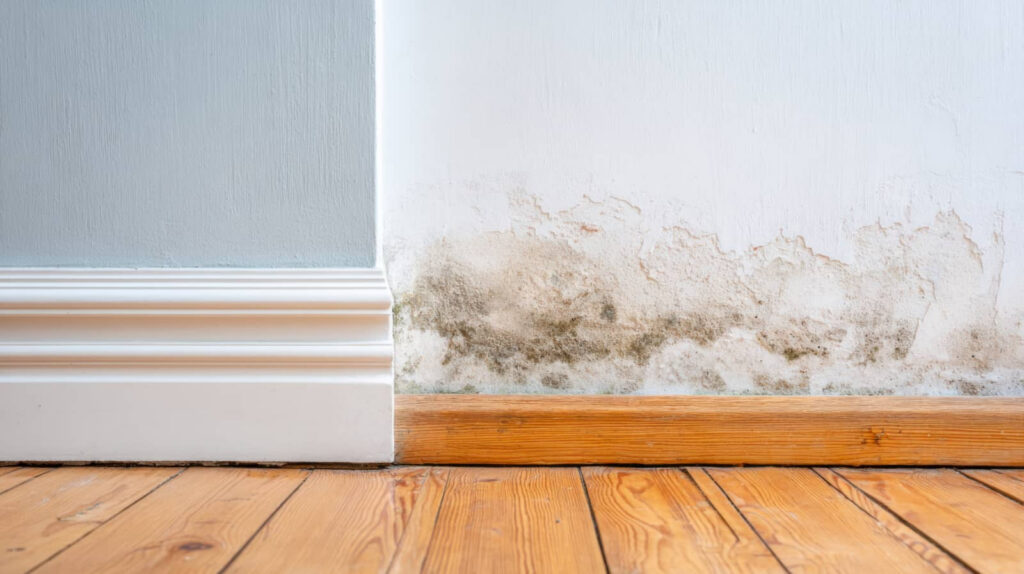
A damp corner, a musty smell, and a faint stain on drywall can signal mold before it spreads. You’ll want to inspect the area, trace the moisture source, and contain the room before any cleanup starts. From there, safe removal, thorough drying, and disinfection help restore the space. The key is not just getting rid of visible growth, but stopping the conditions that let it return.
Key Takeaways
- Inspect walls, ceilings, floors, and HVAC areas for mold, moisture, stains, and musty odors.
- Identify and stop the moisture source, such as leaks, condensation, or drainage problems.
- Contain the affected area by sealing vents, closing openings, and limiting airflow and access.
- Remove moldy materials safely, clean hard surfaces, and bag debris immediately.
- Dry, disinfect, and monitor the area to prevent mold from returning.
Inspect the Mold and Identify the Moisture Source
Before you begin any mold cleanup, you need to inspect the affected area and find the moisture source driving the growth.
In this mold remediation process explained, you’ll examine walls, ceilings, floors, and HVAC registers for staining, musty odors, discoloration, or soft materials.
Use a flashlight and, if available, a moisture meter to locate damp spots behind finishes and around plumbing, roofs, windows, or appliances.
Document what you see with photos and notes so you can track the problem and stay organized with your team.
Once you identify the leak, condensation issue, or drainage failure, stop new moisture from entering the area.
That step matters because mold won’t resolve until the underlying water problem gets fixed.
You’re not tackling this alone; you’re setting up a safe, effective restoration plan.
Contain the Area Before Cleanup
Once you’ve stopped the moisture source, you need to contain the affected area before any cleaning begins. Close doors, seal vents, and cover openings with plastic sheeting to keep spores from spreading into the rest of your home.
If the space has a doorway, tape the edges tightly and create a flap for entry. Turn off fans and HVAC units that could move air through contaminated rooms. Use a dedicated trash path so you don’t track debris through shared areas.
Keep pets, children, and other household members out of the space until containment is complete. These steps help you protect the wider living area and support a controlled remediation process.
When you prepare the site carefully, you’re joining a safer, more organized cleanup effort with confidence.
Remove Mold Safely During Remediation
With the area sealed, you can start removing mold by working from the least contaminated surfaces toward the worst and by keeping materials damp enough to limit dust. You’re not handling this alone; a careful, methodical approach protects your home and the people in it.
Remove porous items that can’t be cleaned, and scrub hard surfaces with disposable wipes or approved tools. Bag debris as you go so it doesn’t spread.
- Picture a small patch of stained drywall lifted away cleanly.
- Picture a fanless room with plastic walls and a damp cloth in hand.
- Picture a bucket lined with a sealed bag for debris.
- Picture a clear path from clean corners to affected edges.
Work slowly, check your progress, and trust the process.
Dry and Disinfect the Area
Now that the mold is out, you dry the area completely and disinfect every cleaned surface to stop remaining spores from taking hold.
Use fans, dehumidifiers, and steady airflow to remove hidden moisture from framing, subflooring, drywall edges, and other porous materials you’ve kept.
Wipe hard surfaces with an EPA-registered disinfectant, following the label’s contact time so it can do its job.
Replace cloths and rinse tools often to avoid spreading residue.
Check corners, seams, and behind trim for dampness, because even a small wet pocket can support microbial growth.
You’re not just cleaning a room; you’re restoring a safe, healthy space where your household can feel comfortable again.
When surfaces feel dry and clean, you’re ready for the next step in the process.
Prevent Mold From Coming Back
To prevent mold from coming back, you need to control moisture before it has a chance to settle in again. You’ll protect your home by tracking humidity, fixing leaks quickly, and keeping air moving in closed rooms.
Use a dehumidifier in damp spaces, and make sure exhaust fans vent outdoors. When you inspect, look for soft drywall, stained baseboards, and condensation on windows.
- Seal plumbing leaks under sinks.
- Run bathroom fans during showers.
- Clean gutters so water drains away.
- Keep basement humidity below 60%.
These habits help you stay ahead of hidden growth and keep your home healthy. You’re not alone in this process; every small step strengthens your defense and supports a safer, cleaner living space for everyone inside.
Frequently Asked Questions
When Should a Homeowner Call a Professional Mold Inspector?
You should call a professional mold inspector when you notice persistent musty odors, visible growth, recent water damage, or unexplained allergies. They’ll identify hidden moisture, confirm contamination, and guide you toward safe cleanup.
How Long Does Mold Remediation Usually Take?
Usually, you’ll finish mold remediation in 1–5 days for small jobs, 1–2 weeks for larger ones, and longer for hidden damage. You’ll inspect, contain, remove, and prevent, so you can feel confident, safe, and supported.
Can Mold Remediation Be Covered by Homeowners Insurance?
Yes, you can sometimes get coverage if a sudden, accidental event caused the mold. You’ll need to file promptly, document damage, and review exclusions, because many policies won’t cover long-term moisture or neglect.
Is Mold Testing Always Necessary Before Cleanup?
No, you don’t always need mold testing before cleanup. You can start remediation when visible growth and moisture sources are clear; testing helps identify hidden contamination, confirm species, and guide safer containment decisions.
What Health Symptoms Suggest Mold Exposure?
You may notice coughing, sneezing, wheezing, watery eyes, a stuffy nose, headache, or skin irritation. If you’re sensitive, you could also feel fatigue or asthma flare-ups; seek medical advice promptly.
Wrap-Up
Now you’ve got the mold remediation process mapped out, from inspection to prevention. By finding the moisture source, containing the area, removing growth safely, and drying and disinfecting thoroughly, you’re clearing the path for a healthier home. Think of moisture control as the lock on the door that keeps mold from returning. If you stay alert, act quickly, and maintain dry conditions, you can protect your home and keep this problem from gaining ground again.