
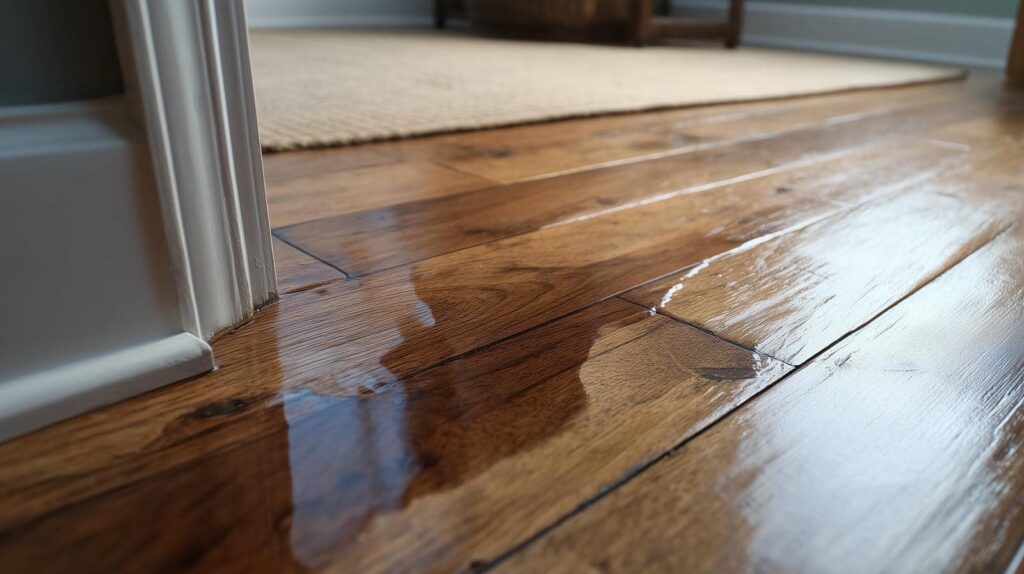
Like a ticking clock after a storm, the timeline for water damage repair can vary greatly based on several critical factors. Understanding these elements is essential for effective restoration, as they influence not just duration but also costs and potential complications. From the severity of the damage to the type of water involved, each detail plays a role. So, how do you determine what your specific situation might entail?
Key Takeaways
- The severity of the water damage significantly influences how long the repair will take, with more severe damage requiring longer recovery times.
- The type of water involved—clean, gray, or black—affects the complexity and duration of the repair process.
- Using effective drying equipment can expedite the repair timeline by quickly removing moisture from affected areas.
- Prolonged exposure to water increases the risk of mold growth, which can further delay repairs and complicate the process.
- Professional restoration services typically complete repairs faster than DIY methods due to their expertise and specialized tools.
Immediate Steps to Take After Water Damage
When you experience water damage, acting quickly is essential to minimize further harm to your property. Start by turning off the main water supply and electricity to prevent additional risks.
Next, remove any standing water using a wet vacuum or pump; this can drastically reduce how long water damage repair takes. Dry out affected areas by opening windows and using fans or dehumidifiers.
Document the damage with photos for insurance claims, as this helps expedite the repair process. Contact a professional restoration service promptly; their expertise can notably shorten the timeline for repairs.
Understanding Water Damage: Types and Causes
To effectively address water damage, you need to understand its types and causes.
Common issues include leaks, flooding, and condensation, each stemming from various sources like plumbing failures or weather events.
Recognizing the signs of water problems early can help you mitigate extensive damage and expedite repairs.
Common Water Damage Types
Understanding the various types of water damage is essential for effective prevention and repair. The three primary categories are clean water damage, gray water damage, and black water damage.
Clean water damage originates from sources like burst pipes or rainwater, posing minimal health risks.
Gray water damage comes from appliances, such as dishwashers or washing machines, containing contaminants that can cause mild illness.
Finally, black water damage arises from sewage or flooding from rivers, containing harmful pathogens and requiring immediate professional intervention.
Recognizing these types allows you to take appropriate action, whether it’s a DIY fix or calling in experts. Being informed helps you protect your space and guarantees a swift recovery process.
Primary Causes of Water Damage
Water damage can stem from several primary causes, each requiring different responses. Commonly, leaks from plumbing systems or appliances, such as dishwashers and washing machines, are significant contributors.
Aging roofs and faulty gutters can also lead to water intrusion during storms. Natural disasters, like floods and heavy rainfall, can overwhelm drainage systems and cause widespread damage.
Additionally, rising groundwater levels can seep into your basement or foundation. Even minor issues, like condensation from HVAC systems, can accumulate over time.
Recognizing these causes helps you take preventive measures, ensuring your home remains safe and secure. By understanding the sources of water damage, you can better protect your space and respond effectively when issues arise.
Signs of Water Issues
While you mightn’t notice water issues immediately, several signs can indicate potential damage lurking beneath the surface.
Look for discoloration on walls or ceilings, which often suggests water intrusion. A musty odor can signify mold growth, a common consequence of prolonged moisture.
Pay attention to peeling paint or wallpaper; this can indicate trapped moisture. Additionally, check for warped or buckled floors, which may result from water accumulation.
If you hear dripping or notice increased utility bills, these can be red flags as well.
Identifying these signs early is vital to preventing extensive damage and costly repairs. Being proactive can save you from significant headaches down the road.
Don’t ignore the warning signs—address them promptly.
Key Factors That Affect Water Damage Repair Duration
When dealing with water damage, several key factors influence how long the repair will take.
The severity of the damage, the type of water involved, and the drying equipment used all play critical roles in the timeline.
Understanding these elements can help you better anticipate the duration of the repair process.
Severity Of Damage
The severity of water damage greatly influences the duration of repair. When you assess the impact, consider factors like the extent of saturation, structural integrity, and the materials affected.
Minor leaks may only require drying out and minor repairs, typically taking a few days. However, significant flooding can compromise walls, flooring, and electrical systems, prolonging the repair process to weeks or even months.
Additionally, the location of the damage matters; hard-to-reach areas may complicate your repair efforts.
It’s essential to act quickly, as prolonged exposure can lead to mold growth, further complicating the situation. Understanding the severity of the damage helps you set realistic expectations and guarantees you’re prepared for the necessary steps ahead.
Type Of Water
Understanding the type of water involved in damage is essential, as it directly impacts the repair duration. Water is categorized into three types: clean, gray, and black.
Clean water, from sources like broken pipes, poses minimal health risks and usually requires less time for repair.
Gray water, which may contain contaminants from sinks or appliances, demands more thorough cleaning and can extend repair time.
Black water, contaminated with sewage or floodwater, presents serious health hazards and often necessitates extensive remediation, greatly increasing repair duration.
Drying Equipment Used
Effective drying equipment plays an essential role in determining how long water damage repair takes.
Using the right tools can notably speed up the drying process, helping you get back to normal faster.
Here are some key types of drying equipment that professionals typically use:
- Dehumidifiers: Reduce moisture in the air, preventing mold growth.
- Air Movers: Increase air circulation, accelerating evaporation of water.
- Heat Drying Systems: Use heated air to expedite drying in hard-to-reach areas.
- Moisture Meters: Measure moisture levels, guaranteeing thorough drying.
When you invest in quality drying equipment, you help guarantee a more efficient repair process.
This not only minimizes damage but also provides peace of mind during a stressful time.
Water Damage Repair Timeline: What to Expect
When dealing with water damage, it’s essential to know that the repair timeline can vary considerably based on the extent of the damage and the methods used for restoration.
Generally, you can expect the process to unfold in three key phases: inspection, restoration, and final review.
Initially, a professional assesses the damage, which can take a few hours.
Next, the restoration phase involves drying and repairing, typically lasting between three to ten days, depending on the severity.
Finally, the review guarantees everything meets safety standards, which might take an additional day or two.
Water Damage Repair Costs: Professional vs. DIY?
How do you decide between hiring a professional for water damage repair or tackling it yourself? Weighing the costs is essential. While DIY might seem cheaper, hidden expenses can add up quickly.
Here’s what to take into account:
Expertise: Professionals have specialized knowledge and tools.
Time: DIY can be time-consuming, potentially prolonging damage.
Safety: Professionals handle hazardous materials safely.
Insurance: Some policies cover professional repairs, reducing your out-of-pocket costs.
Ultimately, if you’re comfortable with the risks and have the time, a DIY approach might work.
However, for extensive damage, hiring a professional can save you stress and guarantee thorough repairs. Assess your situation carefully to make the best choice for your home.
Preventing Future Water Damage
Water damage can be a costly issue, so taking proactive steps to prevent it’s essential.
Start by regularly inspecting your plumbing for leaks and confirming all fixtures are in good condition. Install water detection systems in vulnerable areas like basements and near appliances.
Maintain gutters and downspouts to direct water away from your foundation, and make sure landscaping slopes away from your home. Additionally, check for cracks in your foundation and seal them to prevent water intrusion.
Inside, use moisture barriers in areas prone to dampness, such as bathrooms and kitchens.
Finally, keep an eye on your roof’s condition, addressing any missing shingles or damage promptly.
These measures can greatly reduce the risk of future water damage.
Signs You Need Immediate Water Damage Repair Assistance
Could your home be hiding signs of water damage? Recognizing these indicators early can save you from extensive repairs. If you notice any of the following, it’s time to seek immediate assistance:
Discoloration: Water stains on walls or ceilings can indicate leaks.
Mold Growth: If you see mold, especially in damp areas, it’s a serious health concern.
Warped Surfaces: Floors or walls that appear uneven or swollen signal moisture infiltration.
Musty Odors: A persistent damp smell often points to hidden water damage.
Ignoring these signs can lead to more severe problems, including structural damage and health risks.
Don’t hesitate—addressing water damage promptly is essential for your home’s integrity and your family’s safety.
Frequently Asked Questions
Can I Live in My Home During Water Damage Repairs?
You can live in your home during water damage repairs, but it depends on the extent of the damage.
If the repairs are minor, you might find it manageable. However, if there’s significant structural work or hazardous conditions, it’s safer to relocate temporarily.
Contractors often assess the situation to guarantee your safety. Always prioritize your well-being and follow their recommendations for a smooth and secure repair process.
How Can I Prevent Mold Growth After Water Damage?
To prevent mold growth after water damage, you’ll want to act quickly.
Imagine coming home to discover your favorite room covered in mold after a leak.
Start by drying out affected areas within 24-48 hours. Use fans and dehumidifiers to reduce moisture.
Guarantee proper ventilation and seal any leaks.
Regularly check hidden spaces like behind walls to catch issues early.
Your home deserves a healthy environment, so stay vigilant and proactive!
Will My Insurance Cover Water Damage Repairs?
Your insurance might cover water damage repairs, but it depends on your policy’s specifics.
Most standard homeowners’ insurance includes coverage for sudden and accidental water damage, like burst pipes. However, damage from long-term issues, like leaks, often isn’t covered.
Review your policy details and consult your insurance agent to understand your coverage fully. Documenting the damage and repairs can also help guarantee you receive the compensation you deserve.
What Are the Long-Term Effects of Water Damage?
Water damage can lead to mold growth, structural weakening, and health issues. You might notice persistent odors, discoloration, or peeling paint, indicating underlying problems.
Over time, wood can warp, and metal may corrode, compromising your home’s integrity. It’s essential to address these issues promptly to prevent further damage.
Long-term exposure to dampness can also affect your family’s health, increasing the risk of respiratory problems and allergies. Stay proactive to protect your environment.
How Do I Choose a Water Damage Restoration Company?
When choosing a water damage restoration company, balance quality with cost.
Look for licensed professionals who offer a thorough assessment and a detailed plan.
Check reviews and ask for references—trustworthy companies have nothing to hide.
Compare response times; quick action can prevent further damage.
Confirm they’ve proper insurance coverage.
Finally, trust your instincts. If you feel comfortable and valued, you’re likely making the right choice for your home and peace of mind.
To Sum Up
In the wake of water damage, time is of the essence. Every moment counts, as lingering moisture can silently breed mold and escalate repair needs. By understanding the repair timeline and acting swiftly, you can mitigate further damage and restore your home. Remember, a stitch in time saves nine; addressing water issues promptly not only safeguards your property but also guarantees peace of mind, allowing you to reclaim your space and breathe easy once more.