
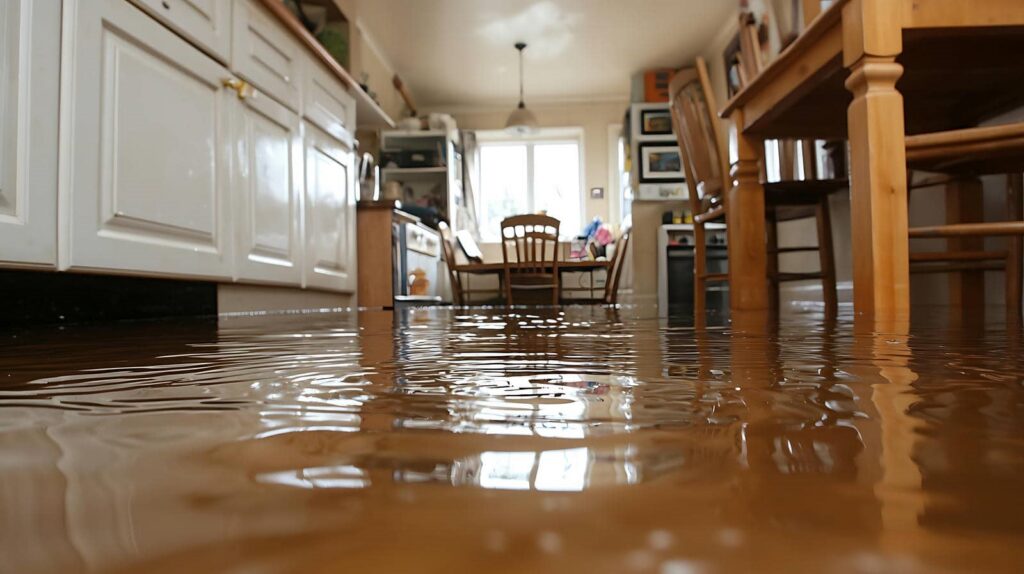
Flooding can wreak havoc, yet efficient emergency water removal offers a path to recovery. You’ll start by evaluating the damage and identifying how much water is present. High-capacity pumps swiftly extract standing water, followed by industrial vacuums for any lingering moisture. Understanding the tools and techniques involved is essential, especially when considering the potential for mold growth and further damage. What steps should you take next to ensure a thorough and safe process?
Key Takeaways
- Assess the situation to gauge water damage extent and prioritize urgent areas for intervention.
- Utilize high-capacity pumps to quickly extract standing water and prevent further damage.
- Deploy industrial-grade dehumidifiers and fans to eliminate residual moisture and reduce mold risk.
- Wear protective gear and check for structural hazards before entering flooded areas.
- Document damage for insurance claims and consult professionals for extensive or contaminated water issues.
How Emergency Water Removal Works
Emergency water removal is a critical process that kicks into gear as soon as flooding occurs. You’ll first assess the situation to determine the extent of water damage.
Then, professionals often use pumps to extract standing water quickly. This initial step prevents further structural damage and reduces the risk of mold growth.
Following that, they employ industrial-grade dehumidifiers and fans to eliminate residual moisture, ensuring the area dries thoroughly.
Understanding how emergency water removal works is essential; it protects your property and safeguards your health.
Timing is important, so acting swiftly can make a significant difference. By collaborating with trained specialists, you’re taking important steps toward restoring your space and providing a sense of security for everyone involved.
Essential Tools and Equipment for Effective Water Removal
After the initial water extraction, having the right tools and equipment is vital for effective water removal.
First, a high-capacity water pump can quickly eliminate standing water, greatly reducing damage. You’ll also need industrial-grade wet/dry vacuums, which are perfect for smaller residual amounts.
Fans and dehumidifiers play an important role in drying out affected areas, preventing mold growth. For safety, use moisture meters to assess saturation levels in walls and flooring.
Additionally, tools like squeegees and mops help with final clean-up. Make sure you wear protective gear, such as gloves and boots, to safeguard against contaminants.
Key Safety Precautions During Flooding and Water Removal
When dealing with flooding and water removal, prioritizing safety is essential to protect yourself and others. Always wear personal protective equipment, including gloves and boots, to shield against contaminants.
Before entering flooded areas, check for structural damage and avoid standing water, as it may hide hazards like electrical hazards or sharp objects. Confirm your electrical systems are turned off to prevent shock.
If you must use pumps or generators, follow manufacturer guidelines to avoid carbon monoxide poisoning. Keep a first-aid kit readily available, and have a communication plan in place.
Finally, remain aware of local advisories and evacuation orders, as these can change quickly during emergencies. Your safety is paramount, so take these precautions seriously.
Why Emergency Water Removal Is Essential During Flooding
Emergency water removal is essential during flooding to prevent structural damage that can compromise your property’s integrity.
It also reduces health risks associated with mold and contaminants, ensuring a safer environment.
Prevents Structural Damage
Flooding can create immediate risks to your property’s structural integrity, making timely water removal vital. When water accumulates, it can weaken foundations, warp beams, and compromise load-bearing walls. Removing water quickly minimizes these risks, preventing costly repairs and preserving your home’s value.
In addition, stagnant water fosters conditions like mold and rot, which can further undermine structural components. By acting swiftly, you protect the visible elements of your property and the underlying systems that keep it stable.
Utilizing professional emergency water removal services ensures that your property receives the expertise needed to mitigate damage effectively. Your home deserves the best care possible, and prompt action during flooding is an essential step in safeguarding your investment.
Reduces Health Risks
Rapid water removal is crucial during flooding to mitigate serious health risks. Standing water can become a breeding ground for bacteria and mold, which can lead to infections and respiratory issues. By promptly removing water, you greatly reduce exposure to harmful pathogens.
Additionally, floodwaters often contain hazardous substances, including chemicals and sewage, that pose further health threats. Quick intervention minimizes the likelihood of illness, protecting both you and your community.
Furthermore, effective water removal helps maintain indoor air quality, reducing allergens and irritants. When you act swiftly, you safeguard your own health and contribute to a safer environment for your neighbors.
Prioritizing emergency water removal is essential for a healthier, safer living space.
Minimizes Long-Term Costs
Prompt water removal protects your health and helps you avoid high long-term costs. When flooding occurs, standing water can lead to structural damage and mold growth, both of which become expensive to remediate. By acting quickly, you minimize the risk of these issues developing.
Professional emergency water removal services utilize advanced techniques and equipment to extract water efficiently, reducing the time your property is exposed to moisture. This swift action can save you from costly repairs, insurance claims, and potential loss of property value.
Additionally, addressing water damage early can preserve your belongings, ensuring you don’t face unexpected replacement expenses. Prioritizing prompt water removal is a wise investment in your home’s future.
Assessing Damage and Next Steps
Once you’ve managed to remove the standing water, it’s crucial to assess the extent of the damage to your property. Start by inspecting walls, floors, and ceilings for warping, discoloration, or mold growth. Document any affected areas with photographs for insurance claims.
Check electrical systems and appliances; water exposure can create hazards.
Next, evaluate your belongings—furniture, carpets, and personal items may need cleaning or replacement. Prioritize drying out spaces to prevent mold, using fans and dehumidifiers.
Lastly, consider the structural integrity of your home. If you notice severe damage, it may compromise safety. Keeping a detailed record of your findings will help guide your next steps and make sure you’re prepared for any necessary repairs or claims.
When Should You Call in Professionals for Water Removal?
When you’re facing extensive water damage, knowing when to call in professionals can make a significant difference in the restoration process.
If the water is over a few inches deep, or if it’s contaminated, it’s time to get expert help. Professionals use specialized equipment to remove water efficiently and assess structural damage.
If you’ve already attempted to remove water and mold is starting to develop, don’t hesitate to reach out. Delaying can exacerbate health risks and increase repair costs.
Additionally, if you’re unsure about the extent of the damage, professionals can provide a thorough evaluation.
In short, when in doubt, calling in professionals can save you time, money, and stress. It’s a smart move for your home and peace of mind.
Frequently Asked Questions
How Long Does Emergency Water Removal Typically Take?
Emergency water removal typically takes anywhere from a few hours to a couple of days, depending on the extent of the flooding and the affected area.
You’ll find that professional teams assess the situation quickly, using specialized equipment to expedite the process.
Factors like the type of water, building materials, and accessibility can influence the timeline.
Staying informed and working with experienced professionals helps ensure efficient and thorough water removal.
Can I Remove Water Myself Instead of Hiring Professionals?
You can remove water yourself, but it’s risky. If you’ve got the right equipment like a submersible pump and wet vac, you might manage small areas.
However, without proper training, you could miss hidden moisture, leading to mold and structural damage.
Plus, safety’s a concern—electrical hazards lurk in flooded spaces. You’ll want to contemplate hiring professionals who’ve got the experience and tools to handle it efficiently and safely.
What Types of Insurance Cover Water Removal Services?
Most homeowners’ insurance policies cover water damage, but it often depends on the cause.
If the water comes from a burst pipe or similar issues, your policy likely includes removal services.
Flood insurance, however, is separate and specifically covers flooding events.
Always check your policy details and consult your agent to clarify coverage.
Understanding your insurance can greatly ease the stress during water removal situations, ensuring you’re financially supported when you need it most.
Will My Belongings Be Salvageable After Water Removal?
Your belongings might be salvageable, but it depends on several factors, like the type of water exposure and the duration. Quick action can greatly increase the chances of recovery.
Items made of non-porous materials, like metal or plastic, usually fare better than porous items like wood or fabric.
After water removal, professionals can assess the damage and recommend cleaning or restoration options to help save your valuables.
How Can I Prevent Future Flooding Issues?
To prevent future flooding issues, you should regularly inspect and maintain your gutters and downspouts, ensuring they direct water away from your foundation.
Consider installing a sump pump in prone areas and check for cracks in your foundation or basement walls, sealing them promptly.
Landscaping can also help; slope the ground away from your home.
Finally, keep drainage systems clear of debris to promote proper water flow and reduce the risk of flooding.
Summary
In the face of flooding, swift and systematic water removal is your lifeline. By employing the right tools and adhering to safety precautions, you can effectively mitigate damage and protect your property. Remember, every drop counts; the sooner you act, the better your chances of preserving your space. If the situation escalates, don’t hesitate to call in professionals—they’re your safety net when the waters rise. Stay proactive, and ensure your home weathers the storm.