
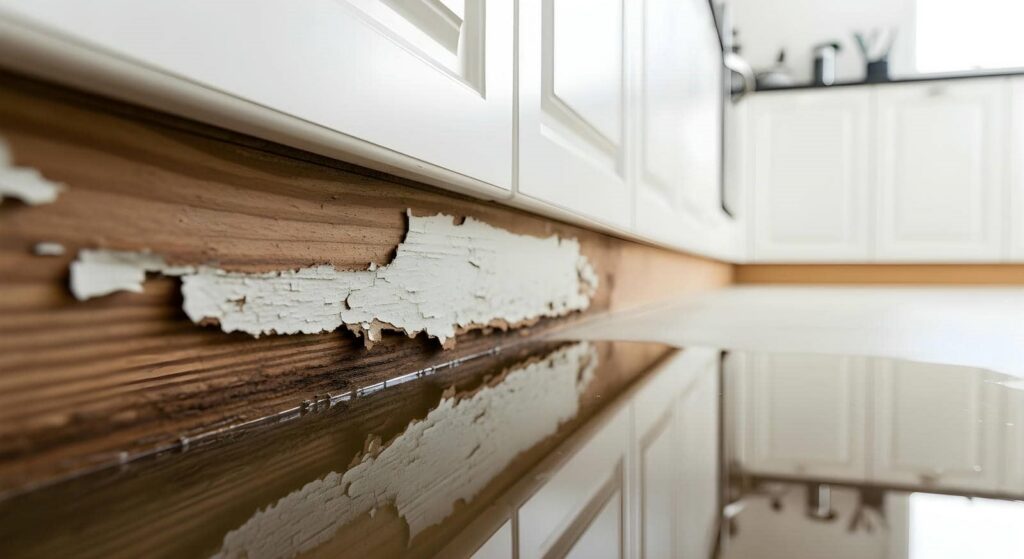
When heavy rainstorms hit, are you prepared to face the aftermath? Emergency water removal is essential to protect your property from serious damage and health risks. If you notice standing water or a musty smell, it’s time to act. Understanding the immediate steps and tools needed can make a significant difference. Let’s explore the key strategies to tackle this urgent situation effectively.
Key Takeaways
- Assess the extent of water damage and prioritize safety by wearing protective gear before entering affected areas.
- Use submersible pumps and wet/dry vacuums for efficient water removal, followed by fans and dehumidifiers to aid drying.
- Look for signs of hidden moisture, such as musty odors and water stains, which indicate urgent water removal needs.
- Contact professionals for severe flooding or mold growth within 24-48 hours, and notify your insurer with detailed documentation.
- Implement long-term solutions like rain gardens and regular drainage maintenance to prevent future water accumulation.
The Impact of Heavy Rainstorms on Your Property
Heavy rainstorms can wreak havoc on your property, leading to serious damage if you’re unprepared. You might notice water pooling in your yard or seeping into your basement, creating an urgent need for emergency water removal after heavy rain.
This excess moisture can weaken your foundation, damage your walls, and even create mold, putting your health at risk.
If you live in an area prone to heavy rain, it’s essential to take proactive measures. Keep gutters clean and guarantee proper drainage around your home.
Investing in a sump pump can also be a lifesaver. By staying alert and prepared, you can protect your property and create a safe haven for you and your loved ones.
Don’t wait—act now to safeguard your home!
Signs You Need Emergency Water Removal
If you notice visible water accumulation in your home, it’s a clear sign you need emergency water removal.
Additionally, musty odors can indicate hidden moisture problems that require immediate attention.
Don’t wait—address these signs to prevent further damage.
Visible Water Accumulation
These issues indicate water intrusion and can lead to structural damage and mold growth if left unchecked. Take a moment to assess the situation: are water levels rising? Are there leaks in your walls or ceilings?
Don’t wait for the problem to escalate. Reach out to professionals who specialize in water removal to ensure your home stays safe and dry. You deserve a secure environment, and addressing visible water accumulation promptly is an essential step in maintaining that comfort.
Musty Odors Present
When musty odors start to linger in your home, it’s often a sign of hidden moisture issues that require immediate attention.
Ignoring these smells can lead to bigger problems like mold growth and structural damage.
If you notice musty odors, consider these three signs:
Water Stains: Look for discoloration on walls or ceilings, indicating trapped moisture.
Increased Humidity: If your home feels unusually damp, it’s a clear warning sign.
Visible Mold: Spotting mold in any area means water removal is urgent.
Taking action quickly can save you time, money, and stress.
Don’t let musty odors linger—address the problem and keep your home safe and comfortable for everyone.
Immediate Steps for Emergency Water Removal After a Flood
After a flood, your safety is the top priority, so make sure to assess any hazards before starting water removal.
Gather essential tools like pumps, wet vacs, and protective gear to efficiently tackle the situation.
With the right precautions and equipment, you can begin the recovery process quickly and safely.
Safety Precautions First
Before you begin the water removal process, it’s crucial to prioritize safety. Flooded areas can pose numerous hazards, so take a moment to verify you’re protected before diving in.
Here are three key safety precautions to follow:
Disconnect Power: Turn off electricity to prevent shock hazards. Don’t wade into water until you’re sure it’s safe.
Wear Protective Gear: Equip yourself with waterproof boots, gloves, and masks to shield against contaminants.
Check for Structural Damage: Inspect your surroundings for any signs of instability or dangerous debris before entering.
Essential Tools Required
Once you’ve guaranteed your safety, it’s time to gather the right tools for effective water removal. Start with a reliable wet/dry vacuum; it’s vital for sucking up standing water. A sump pump can help remove larger volumes quickly, especially if your property has a basement. Don’t forget heavy-duty extension cords to power your equipment safely.
For manual removal, grab mops, towels, and buckets. Rubber gloves will protect your hands from contaminants.
Fans and dehumidifiers are essential for drying out the space, preventing mold growth. Finally, consider a water testing kit to check for contaminants post-cleanup.
With these tools in hand, you’ll be ready to tackle the aftermath of the rainstorm efficiently.
Essential Tools for Effective Water Removal Strategies
When dealing with water removal, having the right tools at your disposal can make all the difference. Here are three essential tools to evaluate for effective strategies:
Submersible Pump: This powerful device quickly removes large amounts of water, helping you tackle serious flooding with ease.
Wet/Dry Vacuum: Perfect for smaller areas, a wet/dry vacuum can handle both liquid and solid debris, making it a versatile choice for cleanup.
Squeegee: For those last bits of water on floors, a squeegee helps you push water toward drains, ensuring you leave no puddles behind.
Stay Safe: Essential Precautions for Water Removal
Having the right tools for water removal is only part of the equation; safety should always come first. Before you start, make sure to wear rubber boots and gloves to protect yourself from contaminants.
Check for any electrical hazards—never enter standing water near outlets or appliances. If you’re using pumps or wet vacs, keep cords away from water and use extension cords rated for wet conditions.
Guarantee proper ventilation in enclosed spaces to avoid mold growth. Stay alert for structural damage; if you notice sagging ceilings or walls, evacuate immediately.
Finally, work with a buddy if possible; it’s safer and makes the process less overwhelming. Prioritize your well-being while tackling the task ahead.
When to Seek Professional Help for Water Removal?
If you find yourself overwhelmed by water damage or the cleanup feels beyond your capabilities, it’s time to contemplate calling in professionals.
Knowing when to seek help can save you time and stress. Here are three signs it’s time to reach out:
-
Extensive Flooding: If water covers a large area or is several inches deep, it’s best to let experts handle it.
-
Mold Growth: If you see mold within 24-48 hours, professionals can provide safe removal and remediation.
-
Structural Damage: If you notice sagging ceilings or warped walls, immediate professional assessment is essential to prevent further issues.
Don’t hesitate—getting professional help can make all the difference in restoring your space effectively and safely.
Tips to Prevent Water Damage in Future Storms
As storms can be unpredictable, taking proactive steps to prevent water damage is essential for protecting your home.
Start by cleaning gutters and downspouts regularly to guarantee proper drainage. Install a sump pump in your basement to handle excess water quickly.
Check your windows and doors for leaks; weatherproofing can make a big difference. Elevate electrical systems and appliances above potential flood levels.
Consider landscaping solutions, like grading your yard away from the house, to direct water flow.
Finally, create an emergency plan that includes securing important documents and knowing how to shut off utilities if needed.
These steps not only safeguard your property but also give you peace of mind when storms hit.
How to Assess and Document Water Damage for Insurance Claims
Evaluating and documenting water damage promptly is essential for a successful insurance claim. Here’s how to get started:
-
Take Photos: Snap clear pictures of the damage from multiple angles. This visual evidence will support your claim.
-
List Damaged Items: Write down all affected belongings, noting their condition and estimated value. This helps the adjuster understand the extent of your loss.
-
Record Water Levels: Measure and document how high the water reached in your home. This information can clarify the severity to your insurer.
Long-Term Water Management Solutions
While it’s crucial to address immediate water damage, implementing long-term water management solutions can prevent future issues and safeguard your home.
Start by evaluating your property’s drainage system. Make sure gutters and downspouts are clean and direct water away from your foundation.
Consider installing a rain garden or permeable paving to absorb excess rainwater. Regularly inspect your landscape for proper grading to avoid pooling.
You might also look into sump pumps or French drains for added protection. Additionally, maintaining your plumbing system can minimize leaks that contribute to water accumulation.
Frequently Asked Questions
How Long Does It Take for Water to Cause Significant Damage?
Water can cause significant damage in as little as 24 to 48 hours.
If left untreated, it can lead to mold growth, structural issues, and damage to your belongings. You need to act quickly to minimize these risks.
Make sure you’re checking for leaks and water accumulation regularly.
By staying proactive, you can protect your home and create a safe environment for you and your loved ones.
Don’t wait—take action now!
Can I Use a Regular Vacuum for Water Removal?
You can’t use a regular vacuum for water removal; it’s a risky move. Imagine the shock when it breaks down or, worse, creates a dangerous shock hazard!
Instead, grab a wet/dry vacuum. It’s designed to handle water safely and effectively, helping you avoid costly repairs down the line.
Your home deserves the best care, and using the right tools makes all the difference. Don’t take chances—protect your space!
What Should I Do if My Electricity Is Still on During Flooding?
If your electricity’s still on during flooding, turn off the power at the main circuit breaker immediately.
Water and electricity don’t mix, and safety’s your priority. Avoid walking through standing water, as it may be electrified.
Use battery-powered lights for visibility, and reach out to local authorities or emergency services if you feel unsafe.
Stay informed about the situation and follow any evacuation orders to keep yourself and your loved ones safe.
Will My Homeowner’s Insurance Cover Water Damage From Rainstorms?
Your homeowner’s insurance might cover water damage from rainstorms, but it depends on your policy.
If you’ve got standard coverage, you’re usually protected against sudden leaks. However, damage from flooding often requires separate flood insurance.
Check your policy and consult your agent to understand your specific coverage.
It’s essential to know what’s included, so you can feel secure in your home and guarantee you’re fully prepared for the unexpected.
How Can I Tell if Mold Is Developing After Water Exposure?
You can tell if mold’s developing by looking for dark spots, discoloration, or a musty smell in affected areas.
Check hidden spaces like behind walls or under carpets, as mold often thrives there.
If you notice increased humidity or water stains, it’s a warning sign.
Regularly inspect your home after water exposure, and don’t hesitate to act if you suspect mold—your health and home are worth the effort!
Conclusion
So, while you might think a little rain can’t hurt, it’s often the downpour that leads to disaster. By taking prompt action and using the right tools, you can dodge the costly aftermath of water damage. Ironically, the storm that brings life can also threaten your home. Stay vigilant, prioritize safety, and remember that a proactive approach today can save you from a soggy surprise tomorrow. After all, who wants a swimming pool in their basement?