
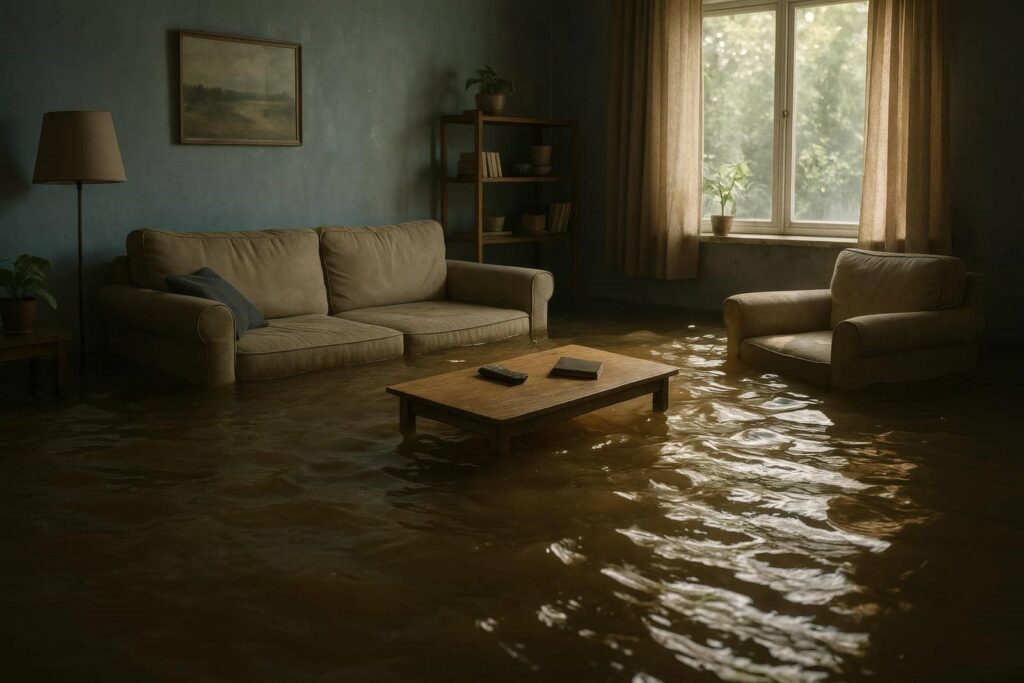
You might not realize that even minor water stains can signal significant underlying issues in your home. If you’ve noticed unusual discoloration on walls or ceilings, it’s crucial to act quickly. Peeling paint, warped floors, and musty odors often indicate hidden moisture, which can lead to structural damage and health risks. Understanding these water damage signs can save you from costly repairs. So, what should you look for to ensure your space remains safe and dry?
Key Takeaways
- Visible water damage, such as unusual stains or peeling paint, indicates ongoing moisture issues needing immediate attention.
- Increased humidity and persistent dampness can lead to condensation and suggest hidden water problems.
- Plumbing issues, like leaking pipes or unexplained water bills, often signal underlying leaks that require urgent restoration.
- Structural concerns, including cracks in walls or sagging floors, can indicate serious water damage affecting safety.
- Health risks, such as increased allergies or respiratory issues, may arise from mold exposure in damp environments.
Signs of Water Damage You Should Not Ignore
If you notice unusual stains on your walls or ceilings, it’s essential not to dismiss them, as these can be early indicators of water damage.
Other signs you need water damage restoration include a musty odor, which often points to mold growth, and peeling or bubbling paint.
Pay attention to warped floors or drywall; these structural changes can signal hidden moisture issues.
Additionally, increased water bills may indicate a leak somewhere in your home.
If you find damp spots or pools of water, especially in basements or crawl spaces, act quickly.
How Unexplained Water Stains Indicate Problems
Unexplained water stains on walls or ceilings often signal underlying issues that require immediate attention. These stains can indicate leaks from plumbing, roofs, or even condensation problems.
If you notice discoloration, it’s vital to act quickly; ignoring it could lead to more severe damage, including structural harm and mold growth. Assess the source by checking nearby pipes, roofs, and windows.
Stains that expand or change color over time suggest persistent moisture, increasing the urgency for restoration. Document the stains and their locations, as this information can assist professionals in diagnosing the problem accurately.
Addressing these stains promptly protects your property and ensures a healthier living environment for you and your loved ones.
Musty Odors: A Sign of Hidden Moisture
Musty odors in your home often signal hidden moisture problems, usually stemming from leaks or inadequate ventilation.
These odors can indicate mold growth, which poses significant health risks, including respiratory issues and allergic reactions.
Identifying the source of these smells is essential for maintaining a safe living environment.
Common Sources Of Musty Odors
While you may not always see it, hidden moisture can lead to persistent musty odors in your home. Common sources include leaky pipes, damp basements, and poorly ventilated attics.
Water intrusion from rain or flooding can saturate walls and flooring, creating an environment ripe for mold growth. Even appliances like dishwashers and washing machines can harbor moisture if they malfunction.
Excess humidity, often from cooking or showering without proper ventilation, also contributes to musty smells. If you notice these odors, investigate areas where moisture might accumulate.
Identifying the source early can prevent further damage and restore comfort to your living space. Don’t ignore that musty scent; it’s a signal you need to act quickly.
Health Risks Of Mold
Ignoring musty odors can lead to serious health risks associated with mold exposure. Mold thrives in damp environments, releasing spores that can affect indoor air quality.
If you notice persistent musty smells, it’s a sign of hidden moisture and potential mold growth. Exposure to mold can trigger allergic reactions, respiratory issues, and even chronic health conditions.
Symptoms like coughing, sneezing, and skin irritation may arise, especially in sensitive individuals. Prolonged exposure can worsen these effects, leading to more severe health problems.
Addressing the source of musty odors and initiating water damage restoration is essential to protect your health and well-being. Don’t wait for symptoms to escalate; act promptly to ensure a safe and healthy living environment.
Why Your Paint or Wallpaper Might Be Peeling
If your paint or wallpaper is peeling, moisture under the surface could be to blame.
This trapped humidity often results from poor ventilation issues, preventing proper air circulation.
Identifying and addressing these factors is essential to restore your walls effectively.
Moisture Under The Surface
When moisture accumulates beneath the surface of your walls, it can lead to peeling paint or wallpaper that not only detracts from your home’s aesthetic but also signals potential water damage.
This issue often arises from leaks, high humidity, or inadequate waterproofing. As the moisture seeps into the wall materials, it creates pressure that causes paint and wallpaper to bubble and peel away.
You might notice discoloration or a musty odor accompanying this peeling, indicating deeper problems. Ignoring these signs can result in structural damage or mold growth, compromising your home’s safety.
If you see peeling surfaces, it’s essential to investigate further and seek water damage restoration before the issue escalates. Your home deserves prompt attention to maintain its integrity.
Poor Ventilation Issues
Poor ventilation can greatly contribute to peeling paint or wallpaper in your home. When air circulation is inadequate, moisture accumulates, leading to high humidity levels. This excess moisture seeps into your walls, weakening the bond between the paint or wallpaper and the surface underneath.
You might notice bubbling, cracking, or peeling as a result.
To combat this issue, make certain that your spaces have proper airflow. Consider using exhaust fans in kitchens and bathrooms, and regularly open windows to promote circulation.
Additionally, investing in a dehumidifier can help maintain ideal humidity levels. By addressing poor ventilation promptly, you can protect your home’s interior and preserve the aesthetic appeal of your walls, creating a comfortable environment for you and your family.
Health Risks of Mold Growth
Mold growth poses significant health risks, especially in environments with excessive moisture.
If you notice mold in your home, it’s essential to act quickly. Prolonged exposure can lead to serious health issues, affecting both you and your loved ones.
Here are some health risks associated with mold:
- Allergic Reactions: Sneezing, runny nose, or itchy eyes can arise from mold exposure.
- Respiratory Problems: Mold spores can trigger asthma attacks or worsen chronic lung conditions.
- Infections: Those with weakened immune systems are particularly vulnerable to mold-related infections.
- Toxin Exposure: Some molds produce mycotoxins, which can lead to neurological issues.
Addressing mold growth promptly helps safeguard your health and maintains a safe living environment.
Don’t delay; take action now.
How High Humidity Levels Signal Water Problems
High humidity levels in your home can be a clear indicator of underlying water issues. When the air feels muggy and damp, it often means moisture is accumulating, which can lead to significant problems.
You might notice condensation on windows or walls, signs that humidity levels exceed normal ranges. This excess moisture can create a conducive environment for mold growth, impacting your health and your home’s structural integrity.
Monitoring indoor humidity with a hygrometer can help you catch problems early. Ideally, indoor humidity should be between 30-60%. If you consistently find levels above this, it’s essential to investigate further.
Addressing high humidity promptly can prevent extensive water damage and safeguard your living space.
Common Causes of Water Damage
When unexpected leaks occur, they can lead to significant water damage in your home. Understanding the common causes can help you prevent them.
Here are some frequent sources of water damage:
Burst pipes: Aging or frozen pipes can rupture, causing sudden leaks.
Roof leaks: Damaged shingles or improper flashing allow water to infiltrate your home.
Appliance failures: Malfunctions in washing machines, dishwashers, or water heaters can lead to major spills.
Flooding: Heavy rainfall or rising groundwater can overwhelm drainage systems, causing water intrusion.
Frequently Asked Questions
How Quickly Can Water Damage Restoration Be Completed?
Water damage restoration can often be completed within a few days, depending on the extent of the damage and the materials involved.
You’ll see quicker results if you act fast. Professionals assess the situation, extract water, and dry the area efficiently.
If the damage is extensive, it might take longer, but they’ll keep you informed throughout the process.
Your prompt action can make a significant difference in minimizing further issues.
Will Insurance Cover Water Damage Restoration Costs?
Insurance often covers water damage restoration costs, but it depends on your policy.
To ensure coverage, you should swiftly report the damage, document everything, and check your specific plan’s details.
Policies vary, so don’t delay in discussing this with your agent.
Understanding your coverage can save you significant sums and stress.
You deserve peace of mind, and knowing your insurance can help you navigate this challenging situation effectively.
What Should I Do Immediately After Discovering Water Damage?
As soon as you discover water damage, act quickly. Turn off the water supply to prevent further issues.
Remove any standing water using a wet/dry vacuum or absorbent materials. Dry the area thoroughly with fans and dehumidifiers to prevent mold growth.
Document the damage with photos for insurance claims. Reach out to a restoration professional immediately to assess the situation and begin the recovery process, ensuring your space returns to normal.
How Can I Prevent Future Water Damage Issues?
To prevent future water damage issues, you’ll want to inspect your roof regularly, clean gutters frequently, and seal any cracks in your foundation.
You should also maintain your plumbing, install sump pumps, and ensure proper drainage around your property.
Additionally, consider using water sensors in vulnerable areas.
Are DIY Methods Effective for Minor Water Damage Repairs?
Yes, DIY methods can be effective for minor water damage repairs if you follow the right steps.
Start by identifying the source of the water and fixing it to prevent further issues. Use fans and dehumidifiers to dry the area thoroughly.
For small stains or mold, cleaning solutions can work well. However, if you notice persistent problems, it’s best to consult a professional to ensure lasting results and avoid bigger headaches later on.
Review
If you notice signs like unusual stains or musty odors, don’t ignore them—these could be your home’s cry for help. Just when you think it’s a minor issue, mold can start thriving, impacting your health and your home’s integrity. It’s uncanny how quickly small leaks can escalate into major damage. Taking immediate action isn’t just about restoring your space; it’s about protecting your well-being. Trust your instincts—if something feels off, reach out for professional water damage restoration services.