
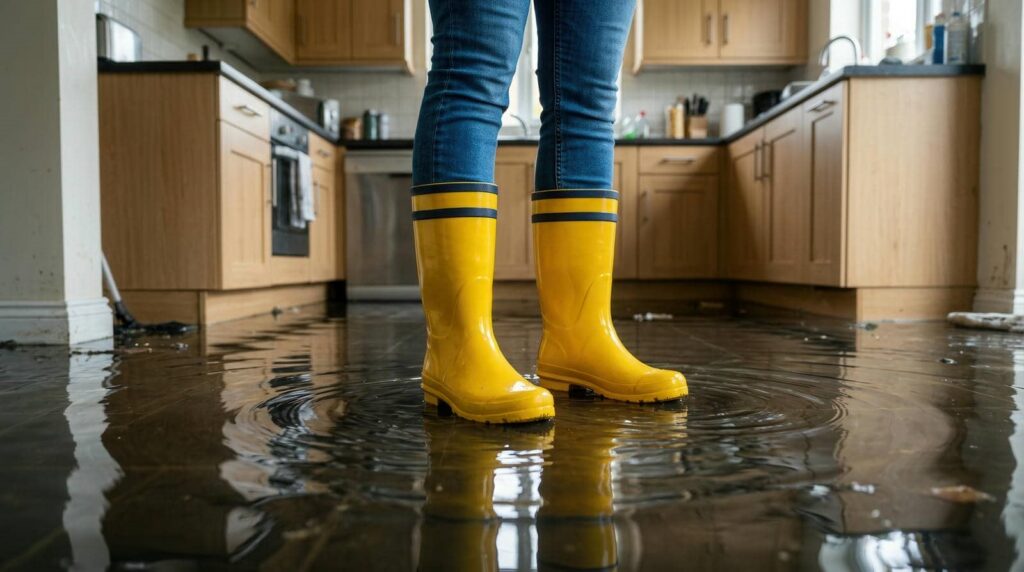
When water damage strikes, you face an essential decision: tackle it yourself or hire professionals. DIY cleanup might seem appealing, especially for cost-saving, but it often misses hidden moisture and mold, leading to bigger problems. On the other hand, professionals bring expertise and advanced tools to ensure thorough remediation. Understanding the nuances of each approach can greatly impact the outcome. So, how do you determine which method is right for your situation?
Key Takeaways
- Professional water damage repair ensures thorough assessments and remediation, addressing hidden moisture and mold that DIY methods often miss.
- DIY cleanup can save costs initially but may lead to unexpected expenses from incomplete work or health risks.
- Professionals utilize advanced tools for effective moisture detection and tailored restoration plans to prevent future issues.
- DIY efforts may provide immediate control but lack specialized equipment, increasing the risk of prolonged damage and complications.
- Clear communication and comprehensive documentation from professionals aid in insurance claims, ensuring a smoother recovery process.
What to Know About Water Damage
When you experience water damage, understanding its implications is essential, as it can lead to significant structural issues and health risks if not addressed promptly.
Recognizing the difference between professional water damage repair and DIY cleanup is vital. Professionals have specialized training and equipment, ensuring thorough assessment and remediation. They identify hidden moisture and mold growth, which DIY methods often overlook. Additionally, insurance claims can be easier with professional documentation.
However, if the damage is minor, a DIY approach might suffice, but you must follow proper procedures to avoid further issues.
Ultimately, weighing your situation’s complexity against your skills and resources will help you decide the best course of action for effective recovery.
Pros and Cons of DIY Water Damage Cleanup?
While tackling water damage yourself might seem like a cost-effective solution, it’s important to weigh the pros and cons carefully.
On one hand, DIY cleanup can save you money and allow for immediate action. You can control the process and may feel a sense of accomplishment once you’ve finished.
However, the risks can outweigh the benefits. Without proper training, you might overlook hidden moisture, leading to mold growth and structural issues. Additionally, you may lack the specialized equipment needed for effective extraction and drying.
This could result in incomplete remediation, prolonging damage. Ultimately, consider your skills, the extent of the damage, and whether you want to risk further complications before deciding on a DIY approach.
What to Expect From Professional Water Damage Repair
Professional water damage repair services offer a thorough solution to restore your property effectively. When you hire experts, you can expect a detailed assessment of the damage, using advanced tools to identify moisture levels and hidden threats.
They’ll develop a tailored plan, including water extraction, drying, and dehumidification, ensuring every affected area is addressed.
Additionally, professionals will check for mold growth and potential structural issues, providing you with peace of mind. They’ll also handle any necessary repairs, from replacing drywall to restoring flooring.
Throughout the process, you can rely on clear communication, keeping you informed of each step. In the end, you’ll have a safe, restored environment that reflects the quality standard you deserve.
DIY vs. Professional Repair Costs
Restoring your property after water damage involves weighing the costs of DIY cleanup against professional repair services.
While DIY might seem budget-friendly, unexpected expenses can add up quickly.
Consider these cost factors:
Equipment rental: Professional-grade tools can be costly.
Material costs: You’ll need to buy supplies like dehumidifiers and cleaning agents.
Time investment: DIY repairs can take considerably longer.
Potential for mistakes: Errors may lead to additional damage and costs.
Health risks: Mold and other hazards require specialized handling.
Critical Factors in Choosing Water Damage Repair Methods
When faced with water damage, choosing the right repair method is vital for effective restoration. First, assess the extent of the damage; minor issues might suit a DIY approach, but extensive damage often requires professional expertise.
Next, consider the materials affected—some may need specialized equipment for proper drying and treatment. Your timeline is important, too; quick action minimizes long-term damage and mold growth.
Also, weigh your skills and resources; if you’re unsure, it’s wise to consult professionals to avoid costly mistakes. Finally, think about the long-term implications; improper repairs can lead to recurring issues.
Frequently Asked Questions
How Quickly Should I Act After Discovering Water Damage?
You should act within 24 to 48 hours after discovering water damage. The sooner you respond, the better your chances are of minimizing further damage and preventing mold growth.
Start by stopping the source of water, if possible, and then remove any standing water. Dry affected areas thoroughly and ventilate the space.
If you’re unsure, it’s wise to consult a professional to assess the situation and recommend appropriate actions.
Can I Use Regular Cleaning Supplies for Water Damage Cleanup?
You can’t just grab your regular cleaning supplies and expect them to work miracles on water damage!
While they might tackle surface spills, they lack the power to eliminate hidden moisture, mold, or contaminants.
Instead, you need specialized products designed for water damage cleanup.
These tackle the underlying issues, ensuring your space is truly safe and dry.
Don’t skimp on quality; your home deserves the best protection against long-term damage!
What Types of Insurance Cover Water Damage Repairs?
Homeowners insurance typically covers water damage repairs, but it often depends on the source. If the damage comes from a burst pipe, you’re likely covered.
Flood damage, however, usually requires separate flood insurance. Always check your policy for specific exclusions and limits.
Additionally, renters insurance may cover personal property loss due to water damage. It’s essential to understand your coverage to avoid surprises during the claims process.
Are There Health Risks Associated With Water Damage?
Water damage can be a hidden storm brewing in your home, bringing health risks like mold growth, bacteria, and allergens.
If you don’t address the moisture quickly, these hazards can escalate, leading to respiratory issues and other health problems.
It’s essential to act promptly, ensuring proper ventilation and cleanup to safeguard your well-being.
You deserve a safe and healthy living space, so don’t underestimate the impact of water damage on your health.
How Can I Prevent Future Water Damage in My Home?
To prevent future water damage in your home, regularly inspect your roof, gutters, and downspouts for blockages or leaks.
Ensure your plumbing is in good shape, and consider installing water alarms in high-risk areas.
Maintain proper drainage around your foundation and seal any cracks.
You should also monitor humidity levels, using dehumidifiers if necessary, to keep moisture at bay.
Taking these proactive steps can markedly reduce your risk of water damage.
Summary
In weighing DIY cleanup against professional repair, consider the long-term implications. For instance, a homeowner who attempted DIY water damage remediation in a basement found hidden mold weeks later, resulting in costly repairs and health issues. While DIY might seem appealing, professional services offer thorough assessments and advanced tools that can prevent such outcomes. Ultimately, prioritizing safety and extensive care can save you from future headaches and expenses, ensuring your home remains a safe environment.