
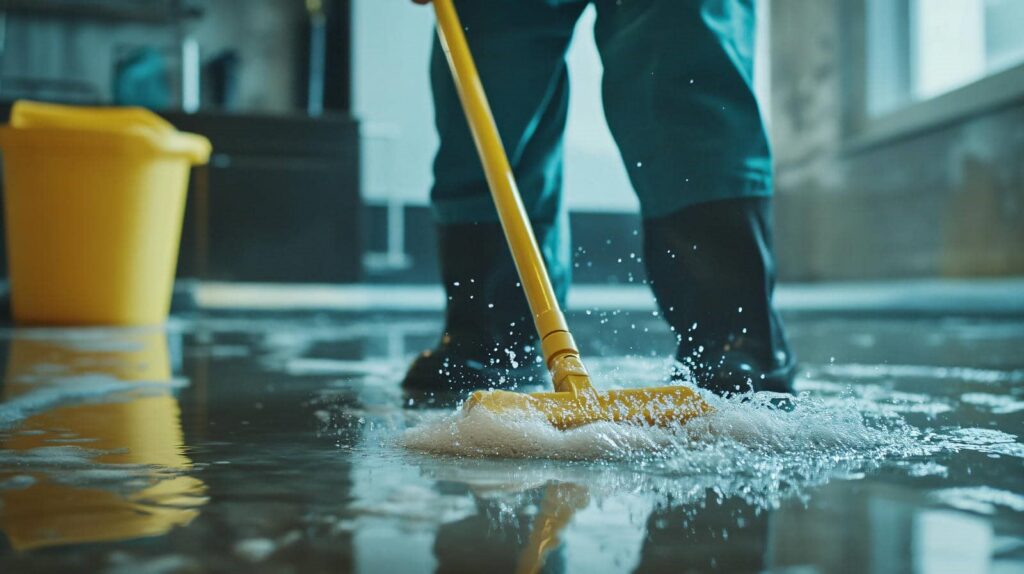
Like a shipwrecked sailor, you find yourself maneuvering through the aftermath of a house flooding. Your first instinct might be panic, but staying calm is essential. Prioritizing safety is your top concern, and knowing what steps to take next can make all the difference. From documenting damages to evaluating structural risks, each action plays a fundamental role in your recovery. What comes next could determine how smoothly you shift from chaos back to normalcy.
Key Takeaways
- Ensure safety first by checking for hazards and evacuating if necessary before assessing damage.
- Document the damage thoroughly with photos and an inventory of affected items for insurance claims.
- Remove standing water promptly using pumps, and ventilate the area to promote drying.
- Inspect the home for structural damage and consult professionals if any issues are found.
- Replace or discard damaged items, focusing on health risks, and implement preventive measures for the future.
What to Do Immediately After a Flood
After a flood, your first step is to guarantee everyone’s safety. Check for hazards like downed power lines and unstable structures. If the area seems dangerous, evacuate immediately and call for help.
Once it’s safe, turn off the electricity and gas to prevent further issues. It’s important to wear protective gear, like boots and gloves, before entering your home.
As you assess the damage, prioritize removing water and moisture to prevent mold growth. Open windows and doors to improve ventilation, and use fans if available.
Document the Damage for Insurance Claims
Once you’ve guaranteed everyone’s safety, it’s crucial to document the damage for your insurance claims. This step can greatly affect your recovery process, so act promptly.
Here’s how to get started:
Take Photos and Videos: Capture thorough images of the affected areas, including furniture, walls, and flooring. Make sure to document water levels and any visible damage.
List Damaged Items: Create a detailed inventory of all damaged belongings, noting their condition and approximate value. This will help substantiate your claim.
Record Conversations: Keep a log of discussions with your insurance agent or adjuster, including dates and details. This guarantees clarity and accountability.
Make Sure You’re Safe First
Before tackling the aftermath of flooding, your safety must come first.
Check for any dangers in your home, like exposed wires or gas leaks. If you smell gas or hear a hissing sound, leave immediately and contact your utility company.
If you’re unsure about the structural integrity of your home, don’t re-enter until professionals assess it. Wear protective gear, like boots and gloves, to shield yourself from contaminants.
If you have any injuries, seek medical attention right away. Stay informed about local weather conditions and evacuation orders.
Remove Standing Water Quickly
Once you’ve confirmed your safety, it’s essential to assess the water level in your home.
Use appropriate pumping equipment to remove standing water quickly, as delays can lead to further damage and mold growth.
Remember to prioritize your safety throughout this process, wearing protective gear if necessary.
Assess Water Level
Evaluating the water level in your home is essential, especially when it comes to removing standing water quickly.
Start by examining the situation to determine the extent of the flooding. Here are three key steps to guide you:
Check the Depth: Measure how high the water is. This helps you decide your next steps effectively.
Identify Affected Areas: Note which rooms are impacted. This’ll help prioritize where to focus your efforts.
Look for Hazards: Be aware of electrical issues or structural damage. Safety should be your first concern.
Use Pumping Equipment
As you grapple with the aftermath of flooding, using pumping equipment is essential for removing standing water swiftly.
Start by choosing the right pump for your situation—submersible pumps are great for deeper water, while utility pumps work well for shallower areas. Make sure you have the necessary hoses and extension cords to reach all affected spots.
Once you’ve set up your equipment, monitor it closely. Standing water can cause further damage and mold growth, so act quickly.
If you’re unsure about the process, don’t hesitate to ask for help from friends or professionals. Remember, you’re not alone in this; many have faced similar challenges and can offer support.
Taking these steps not only protects your home but also helps you feel more in control.
Prioritize Safety Measures
While it’s crucial to act quickly after flooding, prioritizing safety measures guarantees you and your loved ones stay protected. Before tackling the standing water, assess the situation to confirm everyone’s safety.
Here’s what you should do:
Turn off the Power: If it’s safe, switch off electricity in affected areas to prevent electrical hazards.
Wear Protective Gear: Use boots, gloves, and masks to shield yourself from contaminants and sharp objects.
Ventilate the Area: Open windows and doors to promote airflow and help dry out your home, reducing mold growth.
How to Dry Out Your Home After Removing Water
After removing the water, it’s essential to act quickly to dry out your home and prevent further damage.
Start by opening windows and doors to promote ventilation. Use fans and dehumidifiers to circulate air and absorb moisture. If possible, place them in affected areas to speed up drying.
Remove wet carpets and furniture, as they can trap moisture and lead to mold growth. Consider using a wet/dry vacuum for extra water extraction.
Keep the temperature warm but not too hot, as this can slow down drying. Check for hidden pockets of water in walls and floors, and don’t hesitate to reach out for professional help if needed.
Taking these steps will help restore your home and peace of mind.
Clean and Disinfect Areas Affected by Flooding
Once you’ve dried out your home, it’s vital to clean and disinfect the affected areas to prevent mold and bacteria growth. This step is important for your family’s health and comfort.
Here’s how to tackle it:
Wear Protective Gear: Use gloves, masks, and goggles to protect yourself from contaminants.
Use Proper Cleaning Solutions: Mix one cup of bleach with a gallon of water to disinfect surfaces. For natural options, consider vinegar or hydrogen peroxide.
Focus on High-Touch Areas: Pay special attention to doorknobs, light switches, and countertops, as these spots harbor germs.
Taking these steps will help restore your home and guarantee a safe, welcoming environment for everyone.
Check for Structural Damage Thoroughly
After a flood, it’s vital to check for structural damage to guarantee your home’s safety.
Start by inspecting the foundation for cracks, evaluating the stability of your walls, and examining the condition of your roof.
These steps can help prevent further issues and keep your home secure.
Inspect Foundation Integrity
Flooding can compromise your home’s foundation, so inspecting it for structural damage is essential. A strong foundation keeps your home safe and secure, and you deserve peace of mind after a flood.
Here’s how to assess the integrity:
Look for Cracks: Check for any visible cracks in the foundation wall. Small cracks can be normal, but larger ones may indicate serious issues.
Check for Settling: Observe if your home is settling unevenly. Doors and windows that stick can signal foundation problems.
Inspect for Moisture: Look for damp spots or mold near the foundation. Persistent moisture can weaken the structure over time.
Taking these steps helps guarantee your home remains a safe haven for you and your loved ones.
Assess Wall Stability
Evaluating wall stability is essential, especially since water can weaken the structure and lead to more significant issues.
Start by inspecting for cracks, bulges, or soft spots. Use a flashlight to check behind furniture and in corners where moisture may linger.
Pay attention to any signs of mold or mildew, as these can indicate hidden damage. If you notice any compromised areas, don’t hesitate to reach out to a professional for a thorough assessment.
Remember, your safety is paramount, and addressing these issues early on can prevent costly repairs later.
You’re not alone in this; many have faced similar challenges, and taking these steps can help restore your home’s strength and stability.
Evaluate Roof Condition
When water seeps into your home, it’s essential to check your roof for any structural damage. A compromised roof can lead to further issues, so don’t overlook this step.
Here’s how to evaluate its condition:
Inspect for Leaks: Look for any visible leaks or water stains on the ceiling. These signs can indicate underlying damage.
Check Shingles: Examine shingles for missing pieces or curling. Damaged shingles can allow water to penetrate.
Assess Structural Integrity: Look for sagging areas or cracks in the roofline. These could signal severe structural issues.
Taking these steps helps guarantee your home remains safe and secure.
You’re not alone in this; many face similar challenges, and your proactive approach will make a difference.
Replace Flood-Damaged Items
After evaluating the damage, it’s essential to replace any items that were compromised by the flood.
Start with personal belongings, like clothing and photographs, as they hold emotional value. If furniture is soaked, assess whether it can be cleaned or if it needs to be replaced.
Replace electronics, appliances, and any items that can pose health risks, like moldy carpets. Keep an inventory of everything you discard; this will help with insurance claims.
While it’s tough to part with belongings, focusing on creating a safe and welcoming space is crucial. In time, you’ll rebuild your home’s warmth and comfort, ensuring it feels like yours again.
Prevent Future Flooding Risks
To reduce the risk of future flooding, it’s essential to take proactive steps.
You’re not alone in this; many face similar challenges, and together, we can create safer homes.
Here are three effective strategies:
Inspect and Maintain Gutters: Regularly clean and repair your gutters to guarantee proper drainage. Clogged gutters can lead to water pooling around your home.
Landscaping Adjustments: Grade your yard away from your foundation. This simple change directs water flow away from your home.
Install a Sump Pump: If your area is prone to flooding, consider installing a sump pump. It can help remove excess water during heavy rains.
Taking these steps not only protects your home but also fosters a sense of community resilience.
Frequently Asked Questions
How Can I Prevent Mold Growth After a Flood?
To prevent mold growth after a flood, act quickly. Start by removing any wet materials, like carpets or drywall, within 24-48 hours.
Use fans and dehumidifiers to dry out your space, keeping humidity levels below 60%.
Clean surfaces with a mixture of water and detergent, and consider using a mold inhibitor.
Regularly check for dampness or leaks.
What Should I Do With My Pets During Flooding?
During flooding, keep your pets safe by moving them to a secure, dry location away from the water.
If you can’t stay, take them with you to a pet-friendly shelter or hotel.
Make sure they’ve identification and any necessary supplies, like food and medications.
Always check on their emotional needs, providing comfort during this stressful time.
You’re not alone—many pet owners face this challenge, and it’s essential to prioritize their safety.
Are There Any Health Risks From Floodwater?
Yes, there are serious health risks from floodwater. You’ve got to be cautious; floodwater can contain harmful bacteria, chemicals, and debris.
It’s not just dirty water it can lead to infections or respiratory issues. Have you considered how easily it can affect your family’s health?
Always wear protective gear when dealing with it, and avoid contact when possible.
Prioritize safety and keep your loved ones away from contaminated areas until everything’s cleaned up.
When Should I Hire a Professional Restoration Service?
You should hire a professional restoration service as soon as you notice significant water damage or if you’ve got standing water that you can’t manage.
If mold starts to develop or if the damage affects your home’s structure, it’s essential to call in experts.
They’ve got the tools and knowledge to handle it safely and effectively, ensuring your home returns to a safe, livable condition quickly.
You’re not alone in this!
Can I File an Insurance Claim for Temporary Housing?
Yes, you can file an insurance claim for temporary housing if your policy covers it.
In fact, about 30% of homeowners experience some form of water damage during their lifetime.
It’s essential to document everything photos, receipts, and communication with your insurer. This helps guarantee you get the support you need to stay safe and comfortable during repairs.
Don’t hesitate; reaching out to your insurance agent can clarify your options.
Wrap-Up
Recovering from a flood can feel overwhelming, yet it’s a chance to rebuild stronger. While the devastation may seem insurmountable, each step you take documenting damage, drying out your home, and connecting with neighbors brings you closer to resilience. Remember, your safety is paramount, but so is the sense of community that emerges in tough times. As you navigate this challenging journey, hold onto hope; with patience and support, brighter days are ahead.