
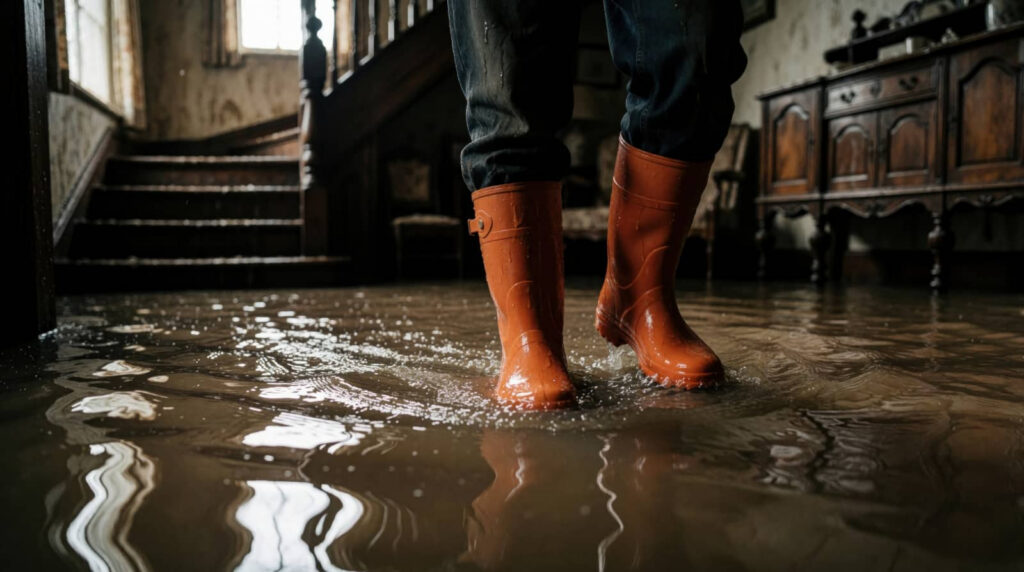
When you face flood damage, the restoration cost usually depends on how contaminated the water is, how far it spread, and how much structure needs repair. You’ll also pay more for drying, mold prevention, content cleaning, permits, and disposal if the loss is severe. The faster you act, the more you can limit labor and damage. A few overlooked details can shift the total more than you’d expect.
Key Takeaways
- Water contamination level drives cost, with clean water cheaper than sewage or chemical contamination due to safety and disposal requirements.
- Flood depth and affected square footage increase extraction, drying time, labor, and equipment rental costs.
- Structural damage to floors, walls, framing, or foundation raises restoration costs, especially when code-compliant repairs are required.
- Drying and mold prevention needs, including dehumidifiers, air movers, and antimicrobial treatments, add to the total cost.
- Fast response lowers costs by limiting spread, reducing hidden damage, and shortening cleanup and repair time.
Main Factors That Affect Restoration Costs
Several key factors drive flood damage restoration costs, and the biggest ones are water contamination and the extent of structural repairs.
You’ll see the cost of flood damage restoration rise when crews must remove soaked drywall, insulation, flooring, or cabinetry, then dry framing and subfloors.
Access matters too: tight spaces, multiple stories, and hidden damage add labor time.
Equipment needs, like dehumidifiers, air movers, and moisture monitoring, also shape your total.
If you act quickly, you can limit spread and keep repairs simpler.
Your team will inspect, document, and prioritize the most urgent work first, so you’re not paying for unnecessary tasks.
When you understand these drivers, you can plan confidently and feel supported through each step.
Water Category and Contamination Levels
You’ll usually pay less when floodwater is clean, since Category 1 water mainly requires drying, cleaning, and limited material removal.
If the water is contaminated, your restoration costs rise because you’ll need more extensive extraction, sanitizing, disposal, and safety measures.
The faster you identify the water category, the better you can control damage and avoid unnecessary expenses.
Clean Water Risks
Clean water doesn’t always mean low restoration costs, because even Category 1 water can still drive expenses if it spreads widely or soaks materials for long enough to require drying, cleaning, and selective removal.
You’ll usually see costs rise with:
- room size and affected square footage
- how long materials stayed wet
- access to hidden spaces under floors or behind walls
- the amount of salvageable contents
You can often keep spending controlled when you act fast and document every wet area.
Crews may use meters, air movers, and dehumidifiers to verify drying and prevent unnecessary demolition.
If you’re dealing with this, you’re not alone; quick, organized response helps your home recover efficiently and keeps the scope focused.
Contaminated Water Costs
Once water picks up sewage, chemicals, or other contaminants, restoration costs usually climb fast because crews need extra protective gear, specialized cleaning, and more disposal.
You’re no longer dealing with simple drying; you’re paying for category-based mitigation, testing, and contamination control.
Category 2 water, like gray water, can damage porous materials and require targeted sanitation.
Category 3 water, often from flooding or sewage backflow, usually means you need full removal of affected materials, antimicrobial treatment, and regulated waste hauling.
If contaminants spread into walls, insulation, or subfloors, labor time rises and replacement costs follow.
Acting quickly can limit how far contamination travels, protect your team’s safety, and keep you within a restoration plan that feels manageable and clear.
How Flood Depth and Spread Raise Costs
The deeper and wider the flood spreads, the more restoration costs climb because crews have to remove more water, dry more materials, and inspect a larger area for hidden damage.
You’ll usually see expenses rise with:
- Greater water volume, which takes longer to extract.
- More affected rooms, so technicians move equipment farther.
- Longer drying time, since moisture lingers in surfaces and contents.
- Expanded monitoring, because hidden pockets can stay wet.
When water reaches multiple spaces, your team must stage more fans, dehumidifiers, and meters, which adds labor and rental time.
You’re not alone in facing this; a thorough response helps protect your home and budget. Acting quickly limits spread, shortens drying, and keeps costs more predictable for everyone involved.
Structural Repairs That Raise Restoration Costs
When floodwater reaches your foundation or framing, you may need structural repairs that go beyond cleanup and directly raise restoration costs.
You’ll also often replace damaged drywall, flooring, and insulation, since these materials can trap moisture and weaken fast.
A careful inspection helps you target only the affected areas, which keeps the work practical and the budget more controlled.
Foundation And Framing Damage
If floodwater reaches your foundation or framing, restoration costs can climb fast because these structural repairs often require more than surface drying. You may need an engineer to check settlement, cracks, and load paths before crews can rebuild safely.
Inspect for shifting, bowing, or rot in sill plates and studs.
Dry and stabilize the structure to stop hidden damage from spreading.
Repair or replace compromised beams, joists, and anchors.
Verify that the repaired frame meets local code and supports your home.
When you act quickly, you protect your home’s bones and keep the project from snowballing.
You’re not dealing with this alone; a qualified team can guide you through each step with clear, practical next moves.
Drywall, Flooring, And Insulation
Once floodwater soaks drywall, flooring, or insulation, you’re usually looking at more than a cosmetic fix, because these materials trap moisture, weaken fast, and can hide mold or warping behind finished surfaces.
You’ll often need to remove damaged sections to expose the framing, then dry the cavity thoroughly before rebuilding. Costs rise when tile, hardwood, carpet, pad, or subfloor all need replacement, since each layer adds labor and disposal time.
Insulation almost always gets discarded after saturation, especially fiberglass or cellulose. If the water was contaminated, you may also need extra cleaning, sealing, and antimicrobial treatment.
Acting quickly helps you protect your home and stay connected to a crew that knows how to restore it safely, step by step.
Drying, Dehumidifying, and Mold Prevention
Drying is one of the biggest drivers of flood restoration cost, because crews must remove hidden moisture from walls, floors, insulation, and framing before damage spreads.
You’ll usually pay more when the job needs:
- High-capacity air movers to speed evaporation
- Commercial dehumidifiers to pull moisture from the air
- Moisture meters and thermal imaging for verification
- Antimicrobial treatment to help prevent mold growth
Your costs rise when humidity stays high, materials dry slowly, or water sat long enough for spores to activate.
Fast, measured drying protects your structure and helps you stay ahead of secondary damage. When you work with a skilled team, you’re not just drying a building—you’re restoring a safe, healthy space your household can trust again.
Contents Cleaning and Property Loss
Contents cleaning can add up quickly because you’re often dealing with more than one category of loss at the same time. You may need to clean furniture, clothing, electronics, documents, and personal keepsakes, and each item responds differently to water and contamination.
Porous materials often need specialized treatment or disposal, while hard surfaces can usually be washed, disinfected, and dried. If floodwater carried silt, sewage, or chemicals, you’ll face higher costs for deodorizing, sanitizing, and salvage testing.
You also pay for inventorying what you can save, what you should replace, and what needs expert restoration. That process helps you protect value and make informed claims.
When you know your items are being handled carefully, it’s easier to feel grounded again and move forward with your home.
How Fast Response Time Affects Labor Costs
When you call for help right away, you often reduce labor costs because crews can start extraction, drying, and demolition before damage spreads. That early window limits the hours needed for each task and helps your team feel supported through a faster recovery.
Water moves less into walls and floors.
Technicians can use fewer setup and monitoring hours.
Dry materials usually need less manual removal.
You’re less likely to need repeat visits.
Quick action also keeps your home’s work zone organized, so crews can move efficiently and avoid wasted labor.
If you wait, saturation deepens, materials swell, and cleanup takes longer. Acting fast gives you a stronger, more predictable budget and helps you get back into a safer space sooner.
Permits, Code Upgrades, and Disposal Fees
Permits, code upgrades, and disposal fees can add a meaningful line item to flood restoration, especially if local rules require licensed work or inspections before repairs begin.
You may need permits for electrical, plumbing, or structural repairs, and those approvals can delay work until an inspector signs off.
If your home must meet current code, you could face added costs for outlets, insulation, ventilation, or egress improvements.
You’ll also pay to remove and haul away soaked drywall, carpet, insulation, and contaminated debris, especially when materials need special handling.
These expenses aren’t random; they help keep your project safe, legal, and up to standard.
When you understand them early, you can plan with confidence and stay part of the process, not outside it.
Estimate Your Restoration Costs
To estimate your restoration costs, start by separating the job into categories like water extraction, drying, demolition, cleaning, repairs, and final reconstruction.
You’ll get a clearer budget when you measure each task against square footage, material type, and contamination level.
- Document visible damage with photos and moisture readings.
- Ask for line-item bids, not lump sums.
- Compare antimicrobial treatment, debris removal, and structural repair costs.
- Add a contingency for hidden damage behind walls and under floors.
If your floodwater carried sewage or chemicals, expect higher cleanup and disposal charges.
In our community of property owners, the smartest estimates stay flexible, because the real scope often appears after drying begins.
That approach helps you plan with confidence and avoid surprise overruns.
Frequently Asked Questions
How Long Does Flood Damage Restoration Usually Take?
You’ll usually need a few days to several weeks, depending on water depth, contamination, drying time, and structural repairs. You can expect faster completion when you act quickly and professionals stabilize conditions early.
Can Homeowners Insurance Cover Flood Restoration Costs?
Yes, your homeowners insurance can cover flood restoration costs if the policy includes it, but standard plans often don’t. You’ll need separate flood insurance, and coverage depends on contamination, structural repairs, and claim details.
Should I Stay in My Home During Restoration?
You shouldn’t stay if contamination, mold, or structural damage exists; you’ll risk your health. If crews isolate one area, you might remain safely. Ask your restoration pro and insurer before deciding.
How Do I Choose a Reliable Restoration Company?
Choose a company with 24/7 response, proper licensing, insurance, and strong reviews. You’ll want clear estimates, certified technicians, and proven experience with contamination and repairs. Ask questions, compare options, and trust your instincts.
What Should I Do Immediately After Flood Damage?
You should shut off electricity, stop the water source, move valuables, document damage, and call emergency restoration help. Don’t enter unsafe areas; you’ll protect your home, health, and community while crews start drying and cleanup.
Conclusion
In the end, you’ll find flood restoration costs depend on contamination, damage depth, structural repairs, drying needs, and how quickly you act. The sooner you respond, the more you can contain the damage and reduce labor, disposal, and mold-related expenses. Think of fast action like putting a lid on a boiling pot—it helps keep the problem from spilling over. With prompt, informed decisions, you can manage costs and restore your property more efficiently.