
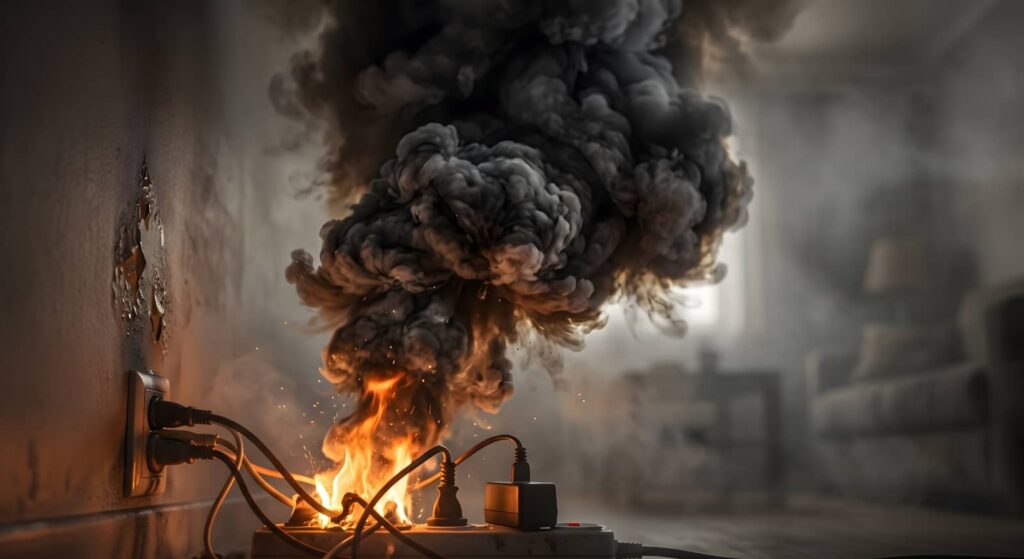
Smoke damage cleanup for furniture and carpets requires a systematic approach to achieve the best results. You’ll need to assess the extent of the damage first and gather the right tools for effective cleanup. Start by removing loose debris and testing appropriate cleaning solutions. However, understanding the specific cleaning methods for different furniture materials and carpet types is essential for restoring their appearance and integrity. What techniques work best, and when should you consider professional help? Let’s explore these fundamental aspects.
Key Takeaways
- Assess smoke damage by inspecting for discoloration, odor, and material type to determine the necessary cleaning approach.
- Use a HEPA vacuum to effectively remove fine soot particles from furniture and carpets.
- Apply specialized cleaners for carpets and furniture; test solutions on inconspicuous areas first to avoid damage.
- Regularly schedule deep cleaning and maintenance to prevent lingering smoke odors and protect surfaces.
- Document damage for insurance claims, including photos and receipts, to ensure proper reimbursement for cleanup costs.
Understanding Smoke Damage: What You Need to Know
When you experience a fire, understanding smoke damage is vital for effective cleanup and restoration. Smoke can infiltrate materials, leaving behind soot and odors that cling to your furniture and carpets.
The first step in smoke damage cleanup for furniture and carpets involves evaluating the extent of the damage. You’ll need to identify the type of smoke residue—whether it’s dry or wet—since this affects the cleaning method.
Use a vacuum with a HEPA filter to remove loose particles. For carpets, a specialized cleaner is essential, as regular cleaning solutions may not suffice.
Furniture may require deeper cleaning methods like dry cleaning or chemical sponges. Always prioritize safety and consider professional help for thorough restoration.
Assessing Smoke Damage to Furniture and Carpets
After understanding smoke damage, the next step involves evaluating its impact on your furniture and carpets. You’ll need a systematic approach to ensure a thorough assessment:
- Visual Inspection: Look for discoloration, soot, or residue on surfaces.
- Odor Assessment: Note any lingering smoke smells, which indicate deeper penetration.
- Material Evaluation: Identify the types of fabrics and finishes; some may be more susceptible to damage than others.
- Structural Integrity: Check for any warping or structural changes in wooden furniture pieces.
Must-Have Tools for Effective Smoke Damage Cleanup
Effective smoke damage cleanup requires a variety of specialized tools to restore your furniture and carpets to their pre-damage condition.
Start with a high-efficiency particulate air (HEPA) vacuum, which captures fine soot particles. You’ll need a set of soft-bristled brushes for gently agitating surfaces without causing scratches.
A steam cleaner is essential for deep cleaning carpets, while enzyme-based cleaners effectively break down odors. Don’t forget a moisture meter to check for hidden dampness that can lead to mold.
Use absorbent cloths and sponges for wiping surfaces clean. Finally, protective gear, like gloves and masks, ensures your safety during the process.
Having these tools on hand will make your cleanup more efficient and effective, helping you reclaim your space.
How to Clean Smoke-Damaged Furniture: A Step-by-Step Guide
Cleaning smoke-damaged furniture requires a systematic approach to restore its integrity and appearance. Follow these steps to effectively clean your furniture:
- Remove Loose Debris: Use a soft brush or vacuum with a brush attachment to eliminate soot and ash from surfaces.
- Prepare a Cleaning Solution: Mix warm water with a mild detergent or vinegar to create a gentle cleaning solution.
- Test First: Always test the cleaning solution on an inconspicuous area to verify it doesn’t damage the finish.
- Wipe Down Surfaces: Use a soft cloth to gently wipe down all surfaces, confirming you reach crevices and joints where residue might accumulate.
This methodical approach helps restore your furniture, allowing you to reclaim your space and feel at home again.
Techniques to Restore Smoke-Damaged Carpets
To effectively restore smoke-damaged carpets, you first need to assess the extent of the damage.
This step involves identifying discoloration, lingering odors, and any structural changes to the fibers.
Once you understand the damage, you can implement targeted cleaning techniques to remove soot and odor effectively.
Assessing Damage Extent
How can you accurately assess the extent of smoke damage to your carpets? Start by examining key areas to determine the level of harm. Use a systematic approach to evaluate the damage effectively.
- Visual Inspection: Look for discoloration or soot on the carpet fibers.
- Odor Analysis: Notice any lingering smoke smells, which indicate deeper contamination.
- Touch Test: Rub a white cloth on the carpet to see if soot transfers, revealing surface residue.
- Moisture Check: Assess if the carpets feel damp, as moisture can worsen smoke damage.
Effective Cleaning Techniques
Three effective cleaning techniques can help restore smoke-damaged carpets to their former condition.
First, vacuum the carpet thoroughly to remove loose soot and debris. Use a vacuum equipped with a HEPA filter for best results.
Next, apply a specialized carpet cleaner designed for smoke damage. Test it on a small, inconspicuous area first to verify it won’t discolor the fabric. Follow the manufacturer’s instructions for application, using a scrub brush to work the cleaner into the fibers.
Finally, rinse the carpet with clean water to remove any cleaner residue, then extract excess moisture using a wet/dry vacuum. Allow the carpet to dry completely, ideally in a well-ventilated area, to prevent mold growth and lingering odors.
Removing Smoke Odor From Fabrics: Tips for Effective Restoration
When smoke infiltrates fabrics, the lingering odor can be challenging to eliminate.
To effectively restore your textiles, follow these steps:
- Air Out the Fabrics: Hang items outdoors in fresh air for several hours to dissipate some of the odor.
- Use Baking Soda: Sprinkle baking soda generously on the fabric, let it sit for at least 30 minutes, then vacuum it up. This neutralizes odors.
- Wash with Vinegar: Add one cup of white vinegar to your wash cycle. Vinegar is a natural deodorizer that helps break down smoke particles.
- Consider Professional Cleaning: If odors persist, consult a specialist who uses advanced techniques for thorough restoration.
Signs You Need Professional Help for Smoke Damage?
Do you know the key indicators that signal the need for professional help after smoke damage?
If you notice persistent odors in your furniture or carpets despite cleaning attempts, it’s time to call in experts.
Stains or discoloration that don’t respond to standard cleaning methods indicate deeper damage that requires specialized techniques.
Additionally, if your health is affected—like experiencing respiratory issues or persistent headaches—seek professional assistance immediately.
Structural damage, such as warped furniture or weakened carpet fibers, suggests that smoke has penetrated beyond the surface.
Finally, if you’re unsure about the extent of the damage, consulting professionals can provide peace of mind.
Don’t underestimate the importance of addressing smoke damage thoroughly and effectively for your home’s safety and comfort.
Preventing Smoke Damage: Best Practices for Your Home
After addressing the signs that necessitate professional intervention for smoke damage, it’s important to focus on prevention strategies to protect your home.
Implementing these best practices can greatly reduce your risk:
- Install Smoke Detectors: Confirm they’re functional and replace batteries regularly.
- Maintain Electrical Systems: Schedule inspections to prevent electrical fires, which are common sources of smoke.
- Use Proper Ventilation: Ensure that your kitchen and living areas are well-ventilated when cooking or using candles.
- Establish a No-Smoking Policy: If you allow smoking, designate an outdoor area and provide proper disposal for cigarette butts.
Tips for Maintaining Furniture and Carpets After Cleanup
After cleaning smoke damage, establish a regular cleaning schedule to prevent residue buildup on your furniture and carpets.
Consider using protective treatments to shield these surfaces from future contaminants and enhance their longevity.
Additionally, monitor for persistent odors, as they can indicate lingering smoke particles that need addressing.
Regular Cleaning Schedule
While it may be tempting to overlook regular maintenance once smoke damage cleanup is complete, establishing a consistent cleaning schedule is essential for preserving the integrity of your furniture and carpets.
A well-structured routine extends your lifespan and enhances your living environment. Here are four key steps to incorporate into your schedule:
- Vacuum Weekly: Use a vacuum with a HEPA filter to capture fine particles that can settle into fibers.
- Spot Clean Immediately: Address stains or spills as soon as they occur to prevent permanent damage.
- Deep Clean Monthly: Use a professional service or high-quality equipment to deep clean carpets and upholstery.
- Rotate Furniture: Periodically rearranging your furniture helps distribute wear evenly and maintains aesthetic balance.
Use Protective Treatments
To protect your furniture and carpets from future damage, applying specialized protective treatments is essential.
Start with a high-quality fabric protector for upholstery and carpets, which forms a barrier against stains and moisture. Look for treatments specifically designed to repel smoke residue and odors. Be sure to follow the manufacturer’s instructions for application, ensuring even coverage.
For wood furniture, consider a sealant that guards against smoke particles and enhances the finish. Regularly reapply these treatments every six months to maintain their effectiveness.
After treatment, allow sufficient drying time before using the furniture or carpets.
Monitor for Odors
Although you’ve completed the initial cleanup, it’s important to monitor for lingering odors in your furniture and carpets.
These odors can persist and affect your home’s atmosphere. Here’s how to effectively manage them:
- Regular sniff test: Periodically check your furniture and carpets for any residual smells.
- Use an odor neutralizer: Apply a specialized product designed for smoke odors to eliminate unpleasant scents.
- Ventilate your space: Open windows and doors to encourage airflow, helping to disperse trapped odors.
- Schedule professional cleaning: Consider hiring experts for deep cleaning if odors persist, ensuring thorough treatment.
What You Should Know About Insurance for Smoke Damage
Understanding your insurance coverage for smoke damage is crucial, especially since policies can vary greatly. First, check if your homeowner’s or renter’s insurance includes smoke damage. Many policies cover personal property, but specific exclusions may apply.
Document all affected items, taking photos and keeping receipts; this documentation is essential for claims.
Next, be aware of your deductible, as it impacts your out-of-pocket costs. If you’re unsure about your coverage, don’t hesitate to contact your agent for clarification.
Consider additional coverage if you live in an area prone to fires. Finally, familiarize yourself with the claims process; timely reporting can greatly affect your reimbursement.
Protecting your investment starts with understanding your policy details and acting quickly.
Frequently Asked Questions
Can Smoke Damage Be Completely Removed From Furniture and Carpets?
Yes, smoke damage can often be removed from furniture and carpets, though complete restoration can be challenging.
You’ll need to assess the material type first. For fabrics, deep cleaning methods like steam cleaning or specialized treatments work well.
Hard surfaces may require sanding or chemical cleaners. Always test a small area first to avoid further damage.
If the odor persists, consider professional services for the best results and peace of mind.
How Long Does Smoke Damage Cleanup Typically Take?
Smoke damage cleanup typically takes between a few hours to several days, depending on the severity of the damage and the materials involved.
First, you’ll assess the affected areas. Then you’ll begin cleaning, which may include vacuuming, deep cleaning, and deodorizing.
It’s crucial to use specialized equipment and techniques. If necessary, hire professionals to ensure thorough restoration, as they can expedite the process and ensure your belongings are properly treated.
Are There DIY Methods for Smoke Odor Removal?
Yes, there are several DIY methods for smoke odor removal. Start by ventilating the area; open windows and use fans.
Mix equal parts white vinegar and water in a spray bottle, then lightly mist surfaces.
Baking soda is effective too; sprinkle it on carpets and upholstery, let it sit for a few hours, then vacuum.
You can also use activated charcoal in bowls to absorb odors over time.
Always test materials first!
Will Smoke Damage Affect My Home’s Air Quality?
Yes, smoke damage can greatly affect your home’s air quality. When smoke particles linger, they can irritate your respiratory system and contribute to long-term health issues.
Volatile organic compounds (VOCs) released during a fire can also exacerbate this problem. To ensure a healthier environment, you should address any smoke damage promptly.
Consider using air purifiers and proper ventilation to help reduce contaminants and restore your home’s air quality.
Is It Safe to Use My Furniture After Smoke Cleanup?
After smoke cleanup, it’s essential to verify your furniture is safe before using it.
Check for lingering odors or residues, as these can affect your health. If you’ve had professional cleaning, they should’ve addressed these issues.
Allow adequate time for any cleaning solutions to dry and air out your space.
If you’re unsure, consider consulting a specialist to confirm that everything’s been thoroughly treated and is safe for your home.
Wrap-Up
In the battle against smoke damage, knowledge and action are your greatest allies. By understanding the intricacies of cleanup and restoration, you can breathe new life into your furniture and carpets. Whether you tackle it yourself or seek professional help, timely intervention is key. Remember, staying vigilant and maintaining routine care will preserve your investments and keep your home a welcoming sanctuary. Don’t let smoke linger; reclaim your space and enjoy its comfort once again.