
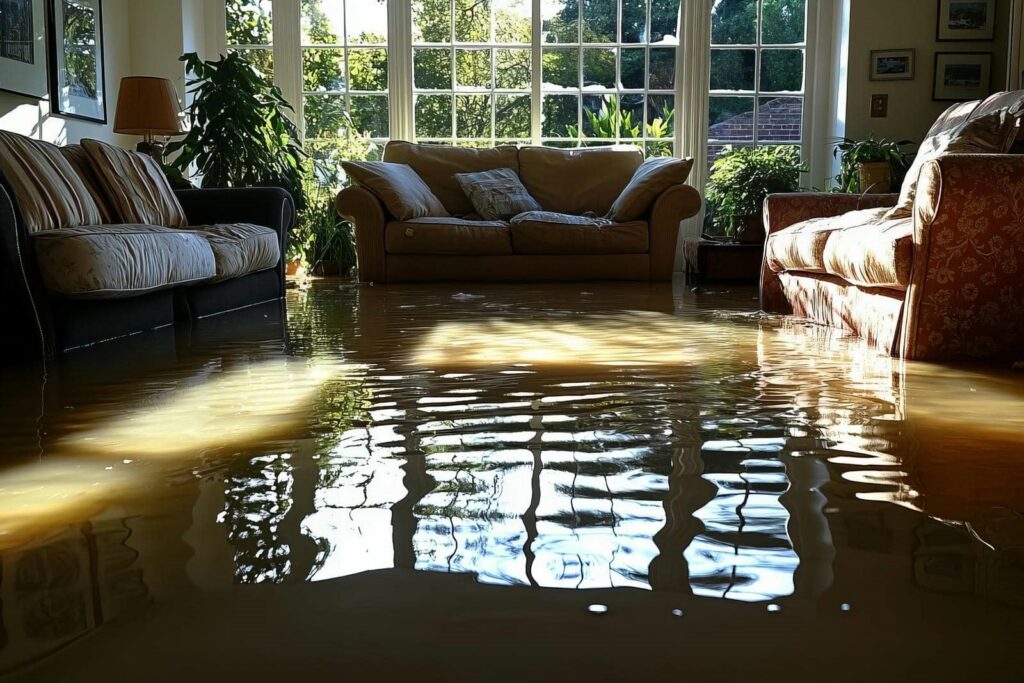
If a burst pipe floods your basement with clean water, the restoration might cost less than if it were contaminated by sewage. The type of water damage plays a significant role in determining overall expenses. However, various other factors, like the extent of the damage and labor costs, also come into play. Understanding these elements can help you make informed decisions when facing such a situation. What should you know next?
Key Takeaways
- The type of water damage (clean, gray, or black) significantly influences restoration costs and required intervention levels.
- Labor costs vary based on the extent of damage, water type, and necessary expertise for repairs and remediation.
- Essential equipment and supplies, such as water extraction machines and drying systems, contribute to overall restoration expenses.
- Insurance policies can affect costs through deductibles, coverage limits, and exclusions, impacting out-of-pocket expenses.
- Prompt action minimizes repair costs and potential damage, emphasizing the importance of quick response and professional services.
Identifying Water Damage Types to Determine Restoration Costs
When it comes to water damage restoration, understanding the types of damage can greatly impact your costs.
There are three primary categories: clean water, gray water, and black water. Clean water, from sources like leaks, is often the least expensive to restore, usually requiring minimal intervention.
Gray water, which may contain some contaminants, can escalate the cost, as it often needs more thorough cleaning and sanitization.
Black water, originating from sewage or flooding, poses the highest risk and can greatly increase the cost of water damage restoration due to the extensive cleanup and health hazards involved.
How to Assess the Damage You’re Facing
How can you accurately assess the water damage you’re facing? Start by examining the affected areas carefully. Look for visible signs and take notes. This will help you understand the extent of the damage.
Consider these key steps:
Check for Moisture: Use a moisture meter to detect hidden dampness in walls and floors.
Inspect Structural Elements: Assess beams, drywall, and insulation for water saturation or mold growth.
Evaluate Contents: Identify damaged belongings, including furniture, electronics, and personal items.
Document Everything: Take photos and jot down details to support any insurance claims.
Key Factors Affecting Labor Costs in Water Damage Restoration
Labor costs in water damage restoration can vary considerably based on several key factors.
First, the extent of the damage plays an essential role; more severe damage typically requires more labor and expertise.
The type of water involved—clean, gray, or black—also influences costs, as different categories necessitate varying levels of safety precautions and procedures.
Additionally, the complexity of the restoration process, including structural repairs or mold remediation, directly affects labor rates.
The location of your property can impact costs as well, with urban areas usually charging higher rates.
Finally, the experience level of the laborers can lead to price differences; skilled professionals often command higher wages for their specialized knowledge and efficiency.
Essential Equipment and Materials for Restoration
When restoring water damage, having the right equipment is vital to the process.
You’ll need efficient water extraction machines to remove standing water, along with various drying equipment types to ensure thorough moisture removal.
Additionally, mold remediation supplies are essential for preventing mold growth and securing a safe environment post-restoration.
Water Extraction Machines
High Suction Power: Extracts large volumes of water quickly.
Portability: Easy to maneuver in tight spaces.
Durability: Designed for heavy-duty use, ensuring reliability.
Versatility: Suitable for various surfaces and types of water damage.
Using the right water extraction machine enhances the restoration process and helps maintain safety and health standards by preventing mold growth and structural issues.
Make informed choices to secure the best results.
Drying Equipment Types
To effectively restore areas affected by water damage, understanding the various types of drying equipment is vital.
You’ll typically encounter air movers, which increase airflow to expedite moisture evaporation. Dehumidifiers are essential for removing excess humidity from the air, preventing further damage.
Heated drying systems can also be employed, offering targeted warmth to accelerate the drying process in specific areas. Additionally, infrared dryers can penetrate surfaces to dry materials like drywall and wood more effectively.
Using these tools in combination ensures a thorough restoration, reducing the risk of lingering moisture. Familiarize yourself with each type to make informed decisions during the restoration process, assuring a quicker return to normalcy for your space.
Mold Remediation Supplies
After addressing the drying process, it’s important to equip yourself with the right mold remediation supplies, which play a vital role in restoring water-damaged areas.
Having the appropriate tools ensures effective removal and prevents future mold growth. Here are some essential supplies you should consider:
Personal Protective Equipment (PPE): Masks, gloves, and goggles to protect yourself from mold spores.
Mold Removal Solutions: Biocides and fungicides specifically formulated for mold elimination.
Air Scrubbers: To filter out airborne mold spores and improve air quality during remediation.
Dehumidifiers: Essential for maintaining low humidity levels and preventing further mold growth.
Investing in these supplies facilitates the remediation process and fosters a safer environment for everyone involved.
Geographical Pricing Variations in Water Damage Restoration
While the cost of water damage restoration can vary markedly, understanding geographical pricing variations is essential for homeowners facing such emergencies.
Regional labor rates, local demand for restoration services, and even state regulations can greatly impact costs. For instance, urban areas often experience higher pricing due to increased operational expenses and a higher cost of living.
Conversely, rural regions might offer lower rates but could have longer response times due to fewer available professionals.
Additionally, climate influences—like areas prone to flooding—can lead to a surge in service demand, driving prices up.
How Insurance Coverage Impacts Restoration Costs
Understanding how insurance coverage impacts restoration costs is essential for homeowners facing water damage. Your policy can greatly influence what you’ll pay out of pocket.
Here are key factors to evaluate:
Deductibles: Higher deductibles mean lower premiums but increased initial costs during restoration.
Coverage Limits: Some policies cap the amount you can claim, potentially leaving you with unpaid expenses.
Exclusions: Be aware of specific exclusions, such as flooding, that mightn’t be covered.
Claim History: Frequent claims can lead to higher premiums, affecting your overall financial responsibility.
What Additional Costs Should You Expect?
When dealing with water damage restoration, you should anticipate several additional costs beyond your insurance deductible.
First, you may face charges for emergency services, which are often necessary for immediate response.
Next, consider the costs of equipment rental, such as dehumidifiers and industrial fans, essential for effective drying.
You might also incur fees for mold remediation if that becomes necessary.
Additionally, structural repairs, like drywall replacement or flooring restoration, can considerably increase your total expense.
Don’t forget about the potential for lost personal items, which mightn’t be covered by insurance.
Finally, inspection and testing services can help identify hidden damages, adding to your overall budget.
Being prepared for these costs can help ease the financial burden.
Why Timeliness Is Crucial for Restoration Success
Timeliness plays a critical role in the success of water damage restoration, as the longer you wait to address the issue, the more extensive the damage can become.
Quick action minimizes both physical and financial impacts. Here’s why acting fast is essential:
Reduces Structural Damage: Prolonged exposure to water can weaken walls and foundations.
Prevents Mold Growth: Mold can develop within 24-48 hours; early intervention stops this.
Lowers Repair Costs: Addressing issues promptly generally leads to less extensive repairs.
Protects Belongings: Swift action helps salvage furniture and personal items from irreversible damage.
How to Choose the Best Restoration Service
After addressing water damage promptly, selecting the right restoration service becomes essential to ensure effective recovery.
Start by researching local companies with a solid reputation and positive customer reviews. Verify their certifications and experience in handling water damage specifically.
Look for services that offer 24/7 availability, as emergencies don’t wait for business hours. Ascertain they use advanced technology, like moisture detection equipment and industrial-grade drying systems, to expedite the restoration process.
Request detailed estimates to understand the scope of work and costs involved. Finally, check if they assist with insurance claims, as this can simplify your experience.
Frequently Asked Questions
Can Water Damage Restoration Be Done as a DIY Project?
Yes, you can tackle water damage restoration as a DIY project, but it requires careful planning and the right tools.
Start by evaluating the damage and confirming you’ve got necessary safety gear. Remove standing water and dry affected areas thoroughly to prevent mold.
Use proper cleaning agents for surfaces and consider replacing materials like drywall if they’re too damaged.
However, for extensive damage, it’s wise to consult professionals to ensure thorough restoration.
How Long Does the Restoration Process Typically Take?
The restoration process typically takes a few days to a couple of weeks, depending on the extent of the damage.
For instance, if a pipe burst in your kitchen, initial water extraction might take a day, but drying out the structure could take up to a week.
Professionals often assess moisture levels to ensure everything’s thoroughly dried, preventing mold growth.
Staying informed about each step helps you feel more connected to the process and its outcome.
What Are the Signs of Hidden Water Damage?
You can spot hidden water damage by looking for a few key signs.
Check for discoloration or dark spots on walls and ceilings, which often indicate moisture. Pay attention to a musty smell, as it’s a sign of mold growth.
Warped or buckling floors can also reveal underlying issues. Additionally, peeling paint or wallpaper might suggest trapped water.
Regular inspections can help you catch these problems early, ensuring your home stays safe and sound.
Will My Belongings Be Safe During Restoration?
Your belongings won’t just be safe; they’ll be treated like royalty during restoration!
Professionals take every precaution, using advanced techniques to protect your items from further damage. They often move furniture and valuables to dry areas, ensuring they’re shielded from moisture.
Additionally, specialized equipment helps monitor humidity levels, keeping your possessions intact.
While you might worry, rest assured, your cherished items are in good hands as restoration experts work diligently.
Are There Preventative Measures to Avoid Future Water Damage?
Yes, there are several preventative measures to avoid future water damage.
Regularly inspect your roof for leaks, clean gutters to ensure proper drainage, and check plumbing for any signs of wear.
Installing sump pumps can help manage excess water, while using waterproof materials in vulnerable areas adds an extra layer of protection.
Additionally, consider maintaining consistent humidity levels in your home to prevent mold growth and structural damage.
Staying proactive is key.
Recap
In the aftermath of water damage, every moment counts. Delaying restoration can lead to escalating costs and further complications, risking your property’s integrity. You must act quickly and choose a reliable restoration service to navigate the complexities of repair. As you evaluate your options, remember that understanding the factors at play can save you both time and money. Will you wait, or will you take the first step toward recovery today? The choice is yours.