
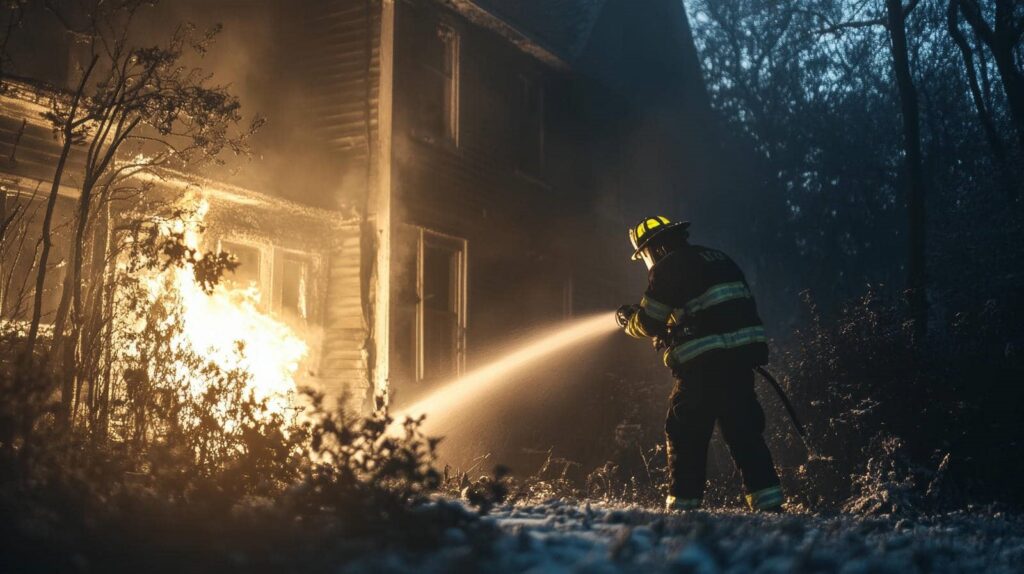
After a fire, you might feel overwhelmed and unsure of what to do next. Understanding the fire damage restoration process is essential for your recovery. From evaluating the damage to developing a tailored restoration plan, each step plays an important role in bringing your home back to life. It’s important to know how to navigate this process effectively, especially when it comes to salvaging your belongings and ensuring safety. Let’s explore the key steps you need to take.
Key Takeaways
- Confirm all individuals are safe and call emergency services before entering the property for assessment.
- Conduct a thorough inspection to evaluate fire, smoke, and water damage to the structure and contents.
- Document damages with photos and create an inventory of affected belongings for insurance claims.
- Choose a reputable restoration company that communicates clearly and provides a detailed assessment and estimate.
- Follow a structured restoration plan that includes cleaning, salvaging items, and ensuring safety and health standards are met.
The Immediate Steps to Take After a Fire
After a fire, it’s important to act swiftly to minimize damage and confirm safety. First, make sure everyone’s safe; call emergency services if anyone needs help.
Once it’s safe, don’t re-enter the property until authorities declare it secure. Begin the fire damage restoration process step by step by documenting the damage with photos for insurance claims.
Remove any valuable items, if possible, to prevent further loss. Next, ventilate the space to reduce smoke odor and moisture.
It’s vital to contact a professional restoration team quickly; they’ve the tools and expertise to manage soot, water damage, and structural issues.
Understanding Fire Damage Types and Severity
Understanding the types and severity of fire damage is essential for effective restoration. Fires can cause three main types of damage: thermal, smoke, and water damage.
Thermal damage results from the intense heat, charring materials and compromising structural integrity.
Smoke damage, often overlooked, can penetrate walls and furniture, leaving lingering odors and residues that can affect your health.
Then there’s water damage, which occurs from firefighting efforts, leading to mold growth if not addressed promptly.
Each type varies in severity, impacting your restoration approach. Knowing these distinctions helps you anticipate challenges and make informed decisions, ensuring you reclaim your space.
You’re not alone in this journey; understanding fire damage is the first step toward healing and rebuilding your home.
How to Assess Fire Damage Effectively?
Evaluating fire damage effectively is essential for a successful restoration process. By understanding the extent of the damage, you can make informed decisions moving forward. Here’s how to assess the situation:
Inspect the Structure: Begin with a thorough examination of the building’s framework, looking for signs of smoke and heat damage.
Check Electrical Systems: Verify that wiring and outlets aren’t compromised, as this can pose safety risks.
Evaluate Contents: Assess furniture and personal belongings for damage, prioritizing items that can be salvaged.
Identify Hazardous Materials: Be aware of any toxic substances released during the fire, such as asbestos or chemical residues.
Taking these steps will help you navigate this challenging time and guide the restoration effectively.
What to Expect During the Fire Damage Restoration Process
During the fire damage restoration process, you can expect a thorough initial assessment to identify the extent of the damage.
This phase sets the stage for the meticulous cleanup and restoration steps that follow, ensuring every affected area is addressed.
Understanding these stages will help you navigate this challenging time with clarity and confidence.
Initial Assessment Phase
As you begin the fire damage restoration process, the initial assessment phase is essential for determining the extent of the damage and the necessary steps for recovery.
During this phase, professionals will evaluate your property, ensuring you feel supported through the process. Here’s what to expect:
Safety Inspection: They’ll check for hazards like structural instability or lingering smoke.
Damage Evaluation: Experts assess fire, smoke, and water damage to prioritize repairs.
Inventory Assessment: They’ll catalog affected belongings to guide restoration decisions.
Restoration Plan: A tailored plan will outline the steps needed for a full recovery.
This phase lays the groundwork for effective restoration, allowing you to regain a sense of normalcy more quickly.
Cleanup And Restoration Steps
Once the initial assessment is complete, you’ll move into the cleanup and restoration steps, which are essential for returning your home to its pre-fire condition.
First, technicians will remove debris and damaged materials, ensuring a safe environment. They’ll then use specialized equipment to extract water and mitigate smoke damage, preventing further issues like mold.
Next, they’ll clean surfaces and belongings using techniques tailored to the type of soot and smoke present. You can expect the application of sealants to protect against lingering odors.
Finally, repairs will commence, from structural fixes to cosmetic touches, restoring your space. Throughout this process, you’ll be kept informed, ensuring you feel supported and connected to your home’s revival.
Techniques for Cleaning and Salvaging Fire-Damaged Items
When you’re faced with fire-damaged items, your first step is evaluating their condition to determine what can be salvaged.
Using effective cleaning methods tailored to each material is essential for restoring these belongings to their former state.
It’s important to approach this process with care, as each item often carries sentimental value and deserves a thoughtful treatment.
Assessing Item Condition
Fire damage can leave behind a complex mix of destruction and salvageable items, making the assessment process critical.
You’ll want to carefully evaluate each item to determine its condition and worthiness for restoration. Here’s a quick guide to help you:
Identify Material: Check if the item is fabric, wood, metal, or plastic—this affects its recovery potential.
Evaluate Damage: Look for signs of scorching, soot, or water damage; some items may be beyond repair.
Check Functionality: For appliances or electronics, confirm they still operate; functionality can sometimes be restored.
Sentimental Value: Consider emotional attachments; some items may be worth salvaging regardless of their physical condition.
Taking time to assess these factors helps you prioritize your restoration efforts effectively.
Effective Cleaning Methods
Cleaning fire-damaged items requires a strategic approach to restore them effectively.
Start by evaluating materials—wood, fabric, and metal each need different techniques. For hard surfaces, use a mixture of water and mild detergent to remove soot, scrubbing gently to avoid further damage.
For fabrics, dry cleaning may be necessary; consider professional help if items hold sentimental value.
Electronics often need specialized cleaning to avoid corrosion. Always verify items are completely dry to prevent mold growth.
Take care of your belongings; they carry memories. It’s crucial to act quickly but thoughtfully, as the right methods can make a significant difference in salvaging what you hold dear.
Fire Safety Tips for Homeowners
Although it may seem like a distant concern, having an extensive fire safety plan is essential for every homeowner. By taking proactive steps, you can protect your loved ones and your property.
Here are four key tips to enhance your fire safety:
Install Smoke Alarms: Place smoke detectors on every level of your home and test them monthly.
Create an Escape Plan: Designate two exits from each room and practice the plan regularly with your family.
Maintain Electrical Systems: Regularly check wiring and appliances to prevent electrical fires.
Store Flammable Materials Safely: Keep gasoline, propane, and other flammable substances in approved containers away from heat sources.
Prioritizing these steps fosters a safer living environment for everyone in your home.
Choosing the Right Fire Damage Restoration Company
How do you choose the right fire damage restoration company when faced with such a distressing situation?
Start by looking for certified professionals with experience in fire damage restoration. Check their credentials, ensuring they’re licensed and insured.
Read reviews and ask for references—talk to others who’ve gone through similar experiences. A reputable company should provide a detailed assessment and a transparent estimate.
Pay attention to their response time; quick action is essential in preventing further damage. Communication matters, too; they should be empathetic and willing to answer your questions.
Don’t hesitate to trust your instincts—choosing a company that makes you feel supported can greatly ease this challenging journey. Your home deserves the best care during such a trying time.
Frequently Asked Questions
How Long Does the Fire Damage Restoration Process Usually Take?
The fire damage restoration process usually takes anywhere from a few days to several weeks, depending on the extent of the damage.
You’ll find that quicker assessments lead to faster repairs.
It’s essential to have a supportive team guiding you through each step, as they’ll help you navigate the complexities.
Will My Insurance Cover Fire Damage Restoration Costs?
Yes, your insurance might cover fire damage restoration costs, but it depends on your policy.
Think of it as a safety net, ready to catch you when the flames of misfortune flicker close. Review your coverage details and contact your agent for clarity.
They’ll help you navigate the fine print and identify what’s included. You’re not alone in this; support is available to help you rebuild and restore your home.
Can I Stay in My Home During Restoration?
You might be able to stay in your home during restoration, but it really depends on the extent of the damage.
If there’s significant structural harm or hazardous materials like smoke or soot, it’s safer to relocate temporarily.
Your restoration team will assess the situation and guide you.
They understand this can be stressful, and they’ll work hard to get you back to your safe space as quickly as possible.
What Should I Do With Pets During Restoration?
During restoration, it’s best to relocate your pets to a safe environment, like a friend’s house or a pet boarding facility.
The noise, unfamiliar smells, and potential hazards can stress them out. Make sure to keep their essentials handy, such as food, water, and favorite toys, to ease the change.
If you can, visit them regularly to comfort them. Ensuring their safety and well-being is essential during this challenging time.
Are There Any Long-Term Effects of Fire Damage?
Fire damage can leave lasting scars, much like a tree that bears the marks of a storm.
You might notice structural weaknesses, lingering odors, or health risks from soot and smoke. These issues can affect your home’s safety and your family’s well-being.
Addressing them promptly is vital. Always consult professionals to guarantee your space recovers fully.
You deserve a home that feels safe and welcoming again, free from the shadows of its past.
To Sum Up
Steering through the fire damage restoration process can be overwhelming, but understanding each step helps ease the burden. Did you know that nearly 50,000 home structure fires occur each year in the U.S. alone? This statistic underscores the importance of being prepared. By choosing the right restoration company and staying informed, you can reclaim your space and restore your peace of mind. Remember, you’re not alone in this journey support is available every step of the way.