
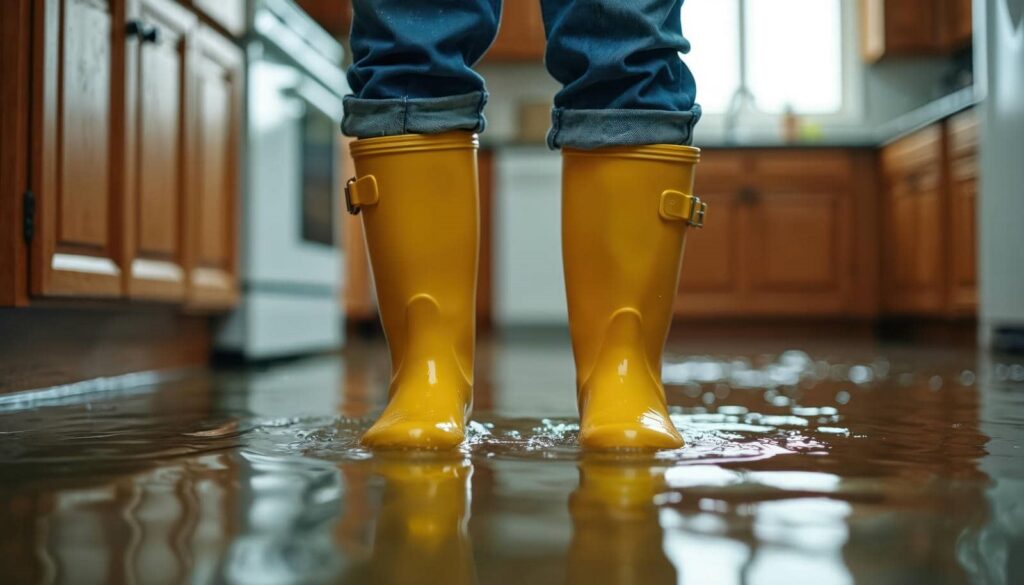
Emergency Water Removal requires immediate action to reduce property damage and protect your home from long-term issues. Start by identifying the source of the water and making sure the area is safe before beginning any cleanup efforts. Shutting off the water supply, removing standing water, and starting the drying process quickly can help prevent structural damage, mold growth, and costly repairs. Knowing the right steps to take during a flooding emergency can make a significant difference in protecting your property and restoring it safely.
Key Takeaways
- Shut off the main water supply immediately to prevent further flooding and assess the source of the water intrusion.
- Ensure safety by checking for hazards like downed power lines and structural damage before entering affected areas.
- Use a submersible pump or wet/dry vacuum to remove standing water efficiently from your home.
- Document all damage with photos for insurance claims and consult professionals if severe damage is evident.
- Maintain flood prevention strategies, such as gutter upkeep and landscaping, to minimize future risks.
Identify and Address the Flood Source Immediately
When a flood strikes your property, identifying and addressing the source immediately is crucial to minimizing damage.
Start by evaluating the situation—check for burst pipes, clogged gutters, or external sources like heavy rainfall or nearby rivers overflowing. Time is of the essence. If you can, shut off the main water supply to prevent further flooding.
Once you’ve located the source, call professionals specializing in emergency water removal. They’ve the tools and expertise to extract water efficiently and safely.
Document the damage for insurance purposes, but prioritize getting help quickly.
Ensure Safety Before Entering Affected Areas
Before you step into areas affected by flooding, it’s essential to assess the environment for potential hazards. Look for downed power lines, which can pose serious electrocution risks.
Check for structural damage; weakened floors and walls may collapse. Always wear protective gear, including boots and gloves, to shield yourself from contaminants.
If the water level is uncertain, use a stick to probe ahead before walking. Be mindful of sharp objects and debris that can cause injury.
Don’t enter if you smell gas or hear hissing sounds; evacuate immediately and call for help.
Assess Water Damage for Effective Removal
Evaluating the extent of water damage quickly is essential for effective removal and restoration.
Start by inspecting affected areas thoroughly to identify where water has infiltrated. Here’s what you should focus on:
Identify Water Sources: Check for leaks or standing water, as these will guide your removal efforts.
Assess Structural Integrity: Look for sagging ceilings, warped walls, or compromised flooring. This helps prioritize areas needing immediate attention.
Document Damage: Take photos for insurance claims. Accurate records will support your case in securing aid for repairs.
Gather Essential Tools for Water Removal
Gathering the right tools for water removal is vital to effectively tackling water damage. Start with a submersible pump to quickly eliminate standing water.
You’ll also need a wet/dry vacuum for smaller areas and debris. Don’t forget heavy-duty fans and dehumidifiers to promote airflow and reduce moisture.
Protective gear, including gloves, boots, and masks, is essential to ensure your safety while working in potentially contaminated water. Keep towels and mops handy for quick spot cleaning.
If your home has electrical hazards, prioritize safety by turning off power sources before starting.
Having these tools at your disposal speeds up the process and minimizes damage, helping you regain control of your home. Time is of the essence—act fast!
How to Safely Remove Water: A Step-by-Step Guide
Removing water from your home requires a systematic approach to secure safety and efficiency. Follow these steps to effectively manage the situation:
Shut Off Power: Confirm all electrical systems are turned off to prevent shock hazards. Safety first!
Remove Standing Water: Use pumps, wet vacs, or buckets to eliminate the bulk of the water. Work from the highest area down to the lowest.
Clear Debris: Remove furniture and items from the affected area to avoid further damage and facilitate drying.
Drying Your Home: Effective Techniques
When water damage strikes, you need to assess the damage immediately to understand the extent of the problem.
Using dehumidifiers effectively can greatly speed up the drying process, while proper ventilation techniques will help eliminate moisture from your home.
Act quickly—every moment counts in preventing further damage.
Assess Damage Immediately
As you face the aftermath of water damage, it’s essential to assess the situation immediately to prevent further complications.
Start by identifying the source of the water. Knowing whether it’s from a burst pipe, flood, or another cause will guide your next steps.
Inspect the Affected Areas: Check walls, floors, and ceilings for signs of water damage or structural issues.
Document Everything: Take photos and notes. This will be invaluable for insurance claims.
Check for Mold Growth: Pay attention to any musty odors, as they can indicate hidden mold, which can worsen health issues.
Use Dehumidifiers Effectively
To effectively dry your home after water damage, using dehumidifiers is essential. Start by placing them in the most affected areas, like basements and rooms with saturated materials.
Set the units to the highest setting to maximize moisture extraction. Confirm windows and doors are closed to prevent outside humidity from interfering. Regularly check the water collection tanks and empty them as needed to maintain efficiency.
For best results, run the dehumidifiers continuously for several days, monitoring humidity levels with a hygrometer.
Ventilation Techniques To Implement
Implementing effective ventilation techniques is essential for drying your home after water damage.
Without proper airflow, moisture lingers, leading to mold and structural damage.
Here are three key techniques to evaluate:
Open Windows and Doors: Create cross-ventilation by opening windows and doors. This allows fresh air to circulate and helps push out damp air.
Utilize Fans: Position fans strategically to enhance airflow. Use box fans in windows facing outward to expel humid air while bringing in drier air.
Install Ventilation Systems: If available, activate your HVAC system to improve air circulation. This can help distribute conditioned air throughout your home.
Act quickly to implement these techniques; your home’s health depends on it.
When Should You Call in the Pros?
If you notice severe water damage signs like warped walls or buckled floors, don’t wait—call in the pros immediately.
In time-sensitive flood situations, every minute counts, and professional equipment can mitigate further damage effectively. Acting quickly can save you from costly repairs down the line.
Severe Water Damage Signs
When you notice signs of severe water damage, it’s essential to act swiftly, as delays can lead to more extensive issues.
Here are three critical signs that indicate it’s time to call in the pros:
Mold Growth: If you see mold or smell a musty odor, this can signify prolonged moisture exposure, which poses health risks.
Warped Walls or Ceilings: Bubbling paint or sagging ceilings are clear indicators that water has infiltrated your home’s structure.
Persistent Puddles: Standing water that doesn’t drain away can cause foundational damage and attract pests.
Recognizing these signs early ensures your home stays safe and dry.
Don’t wait—reach out for professional help to prevent further damage.
Time-Sensitive Flood Situations
As floodwaters rise, the urgency to act escalates, and knowing when to call in the professionals can be critical. If water exceeds a few inches, it’s time to reach out for help.
Standing water can lead to mold growth, structural damage, and health hazards. Don’t wait if you spot electrical hazards or sewage contamination; these situations require immediate expert intervention.
Even if the water seems manageable, professionals have specialized equipment and training to mitigate damage effectively.
If you’re feeling overwhelmed, trust your instincts—calling in experts can save you time, money, and stress. Remember, you’re not alone in this; community resources and professionals are ready to support you through your emergency.
Prevent Future Flooding: Key Strategies
To effectively prevent future flooding, you must implement strategic measures that address both immediate risks and long-term vulnerabilities.
Your home deserves protection, and taking action now can save you from crisis later.
Inspect and Maintain Gutters: Regularly clean and repair gutters to ensure proper drainage away from your home.
Install a Sump Pump: Consider a sump pump in your basement to manage excess water, especially during heavy rains.
Landscape for Drainage: Modify your yard’s slope to direct water away from your foundation, incorporating drainage systems if necessary.
Frequently Asked Questions
Can I Use a Regular Vacuum for Water Removal?
No, you can’t use a regular vacuum for water removal. Standard vacuums aren’t designed to handle liquids and can get damaged or pose a safety risk.
Instead, you should use a wet/dry vacuum, which is specifically built for such tasks. If water’s pooling, act fast to minimize damage.
Your priority should be safety, so unplug electrical devices and wear protective gear while you work to remove the water effectively.
How Long Does It Take for a House to Dry Completely?
It takes about three to five days for a house to dry completely after a flood, but it can vary based on factors like humidity and airflow.
You’ll want to use fans, dehumidifiers, and open windows to speed up the process.
Don’t let the moisture linger; prolonged dampness can lead to mold growth and structural damage.
Keep an eye on your home’s condition to ensure it dries thoroughly and safely.
Will My Homeowner’s Insurance Cover Flood Damage?
Your homeowner’s insurance typically doesn’t cover flood damage unless you have a separate flood policy.
Most standard policies exclude flood-related incidents, so it’s essential you check your coverage.
If you’re in a flood-prone area, consider adding a flood policy to protect your home and belongings.
Don’t wait until disaster strikes; understanding your coverage now can save you significant stress and financial strain later.
Stay informed, and make sure you’re adequately protected.
What Should I Do With Soaked Belongings?
“Don’t put off ’til tomorrow what you can do today.”
First, remove soaked belongings immediately to prevent mold and further damage.
Separate items into three groups: salvageable, damaged, and trash.
Clean and dry any salvageable items, using fans and dehumidifiers.
For textiles, wash and dry them thoroughly.
Document everything for insurance claims.
Act quickly; the sooner you address the situation, the better your chances of saving your cherished possessions.
Are There Health Risks From Floodwater Exposure?
Yes, there are significant health risks from floodwater exposure. Contaminated water can contain bacteria, viruses, and harmful chemicals, leading to infections, gastrointestinal diseases, and skin rashes.
If you come into contact with floodwater, wash your skin thoroughly and seek medical advice if you experience any symptoms. Always wear protective gear when cleaning up, and avoid ingesting any contaminated water to minimize your health risks during this critical time.
Final Thoughts
When your home floods, every second counts. By taking swift action and following the steps outlined, you can mitigate damage and protect your property. Remember, it’s better to be safe than sorry—don’t hesitate to call in professionals if the situation feels overwhelming. With the right approach, you can turn a disaster into a manageable situation and safeguard your home against future flooding. Stay vigilant and proactive to keep your space dry and secure.