
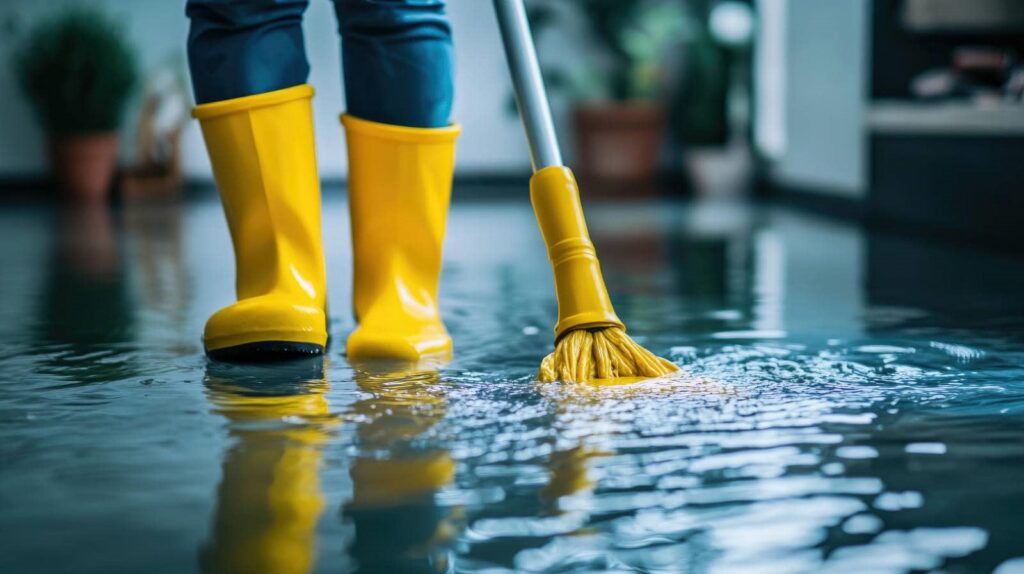
Like the aftermath of a tempest, flood damage cleanup can be a complex and costly endeavor. You need to examine several factors that influence the overall expense, from the type of water involved to local labor rates. Each element plays a significant role in shaping your financial responsibilities. Understanding these intricacies is essential for effective planning, yet many overlook key aspects that could dramatically alter their budget. What will you discover about these hidden costs?
Key Takeaways
- The type of water involved (clean, gray, or black) significantly affects cleanup costs and required remediation methods.
- Labor rates and availability of skilled workers vary by region, impacting overall cleanup expenses.
- The extent and severity of flood damage, including structural and content damage, influence the cost of repairs and restoration.
- Equipment and material expenses, such as drying machines and protective gear, can add to the financial burden of cleanup.
- Insurance coverage, including deductibles and limits, plays a crucial role in determining out-of-pocket expenses during recovery.
Understanding Flood Damage Types
When you experience flooding, it’s essential to understand the various types of damage that can occur. Water can damage your home in several ways, including structural damage, electrical issues, and mold growth.
Structural damage often involves the foundation, walls, and flooring, which can compromise your home’s integrity. Electrical damage poses risks such as short circuits or fire hazards, making it critical to address promptly.
Mold growth can begin within 24-48 hours, leading to health concerns and higher flood damage cleanup costs. Knowing these types of damage helps you prioritize repairs and understand the potential financial implications.
Assessing Flood Damage Severity
To assess flood damage severity, you need to contemplate several key factors.
Start by identifying the types of flood damage, as this can vary considerably from structural to mold-related issues.
Next, evaluate the extent of water infiltration and the duration of exposure time, both of which play critical roles in determining the overall impact on your property.
Types of Flood Damage
While evaluating flood damage severity, it’s crucial to understand the different types of damage that can occur. Flood damage generally falls into three categories: structural, content, and environmental.
Structural damage involves the integrity of your home, including weakened foundations and compromised walls. Content damage refers to personal belongings, such as furniture and electronics, which may be ruined or require extensive cleaning.
Environmental damage often includes contamination from sewage or chemicals, posing health risks. Each type of damage has unique implications for cleanup costs and long-term effects.
Extent of Water Infiltration
Understanding the extent of water infiltration is vital for evaluating flood damage severity. When water penetrates your property, it can compromise structural integrity and lead to mold growth.
You need to assess both the depth and breadth of the infiltration. Is the water just in the basement, or has it reached upper levels? This distinction affects cleanup costs considerably.
Areas with porous materials, like drywall and insulation, absorb water quickly, necessitating more extensive remediation. Identifying hidden pockets of moisture is essential; they can lead to long-term issues if not addressed.
Duration of Exposure Time
When floodwaters linger in your property, the duration of exposure greatly impacts the overall damage. Prolonged exposure can lead to more severe issues, making cleanup more complicated and costly.
Consider these factors:
Material Degradation: The longer water sits, the more structural materials—like wood and drywall—absorb moisture, weakening them and leading to potential collapse.
Mold Growth: Mold can start developing within 24-48 hours of exposure, creating health risks and requiring specialized remediation.
Electronics Damage: Appliances and wiring can be irreparably harmed after extended exposure, increasing replacement costs.
Understanding these elements helps you gauge the severity of the situation and plan your cleanup effectively, ensuring your home can return to a safe and welcoming environment.
How the Water Source Affects Cleanup Costs
The source of the water greatly influences cleanup costs, as varying types of water carry different contamination levels and complexities.
For instance, clean water from a broken pipe is generally less expensive to remediate than gray water from a washing machine, which may contain bacteria.
Black water, such as that from sewage, presents the highest risk and requires specialized handling, leading to considerably higher costs.
Each type necessitates different cleaning agents, equipment, and safety measures, impacting your overall expenses.
Understanding the source not only helps in budgeting but also in gauging the urgency of the situation.
Evaluating Labor Costs in Flood Damage Cleanup
When evaluating labor costs in flood damage cleanup, you’ll need to take into account local labor rates, which can vary greatly based on your location.
The experience and expertise of the workers also play an essential role in determining overall costs. Hiring skilled professionals may come at a premium, but their efficiency can ultimately save you time and money.
Local Labor Rates
Understanding local labor rates is essential for accurately estimating the costs associated with flood damage cleanup. These rates can vary considerably based on several factors in your area. Knowing these elements can help you budget effectively.
Regional wage differences: Labor costs often reflect the economic conditions and living expenses of your location.
Availability of skilled workers: A higher demand for experienced labor can drive up prices, especially in disaster-stricken areas.
Seasonal fluctuations: Rates may change depending on the time of year, with peak seasons for natural disasters often seeing increased costs.
Experience and Expertise
While evaluating labor costs for flood damage cleanup, it’s vital to take into account the experience and expertise of the workers involved.
Skilled professionals often charge higher rates, but their proficiency can greatly reduce overall cleanup time and prevent costly mistakes. Seasoned technicians are familiar with the latest tools and safety protocols, ensuring efficient and thorough work.
Their experience also means they can quickly identify potential hazards or complications, which is invaluable in a flood scenario. Additionally, hiring experts can give you peace of mind, knowing the job’s done right the first time.
Balancing cost with quality is important; investing in experienced workers can save you money in the long run by minimizing future repairs and ongoing issues.
Understanding Equipment and Material Expenses
Flood damage cleanup can easily rack up costs, often reaching thousands of dollars depending on the severity of the situation.
One major factor contributing to these expenses is the equipment and materials needed for effective restoration. You’ll find that prices can vary widely based on quality and type.
Here are some key considerations:
Drying Equipment: Dehumidifiers and air movers are essential for preventing mold, but they can be pricey to rent or buy.
Cleaning Supplies: High-quality cleaning agents and protective gear are necessary for safe and thorough cleanup.
Structural Repair Materials: Depending on the damage, you may need drywall, insulation, or flooring materials, which can add greatly to your costs.
Understanding these expenses helps you prepare for the financial impact of flood damage cleanup.
Local Cost Variations for Flood Cleanup
Costs for flood cleanup can vary considerably based on your local market and the specific conditions of your area.
Factors like regional labor rates, availability of materials, and local regulations play vital roles in determining the overall expense. For instance, urban areas often face higher labor costs due to demand, while rural areas might have lower rates but fewer available professionals.
Additionally, if your community has experienced frequent flooding, you might find more specialized services, which can inflate prices.
Understanding these local dynamics helps you prepare for potential costs and guarantees you’re not caught off guard. Being aware of your area’s unique challenges and resources can empower you to make informed decisions during the cleanup process.
What to Know About Insurance Coverage for Flood Damage
When considering recovery from flood damage, understanding your insurance coverage is essential. Many homeowners mistakenly believe their standard policies cover flood damage, but that’s often not the case.
Here are key points to keep in mind:
Flood Insurance Requirement: Most standard homeowners’ insurance doesn’t cover flooding; you may need a separate flood insurance policy.
Deductibles Matter: Be aware of your deductible amount, as it directly affects out-of-pocket expenses during recovery.
Coverage Limits: Policies have limits on how much they’ll pay for damage, so make sure your coverage aligns with potential risks in your area.
Comparing DIY and Professional Cleanup Costs
Understanding the differences between DIY and professional cleanup options can greatly impact your recovery process after a flood. DIY cleanup may seem cost-effective, often involving just the purchase of supplies and equipment.
However, consider the potential for hidden damage and health risks, like mold, which could lead to further expenses down the line.
On the other hand, hiring professionals usually involves higher upfront costs, but you gain expertise in thorough assessments and efficient restoration.
Professionals are trained to handle hazardous materials safely and can often complete the job faster, reducing the risk of long-term damage.
Weigh these factors carefully; while DIY might save money initially, professional services can be more cost-effective in the long run, ensuring a safer, swifter recovery.
Long-Term Effects of Flood Damage on Property Value
Flood damage can have lasting effects on your property’s value, especially if not addressed promptly and thoroughly.
Even minor water intrusion can lead to significant depreciation over time. Understanding these effects can help you make informed decisions about repairs and future investments.
Structural Integrity: Prolonged exposure to water can weaken foundations and compromise safety, which buyers will notice.
Mold Growth: Mold can develop quickly, leading to health concerns and further devaluation of your home.
Insurance Challenges: Properties with a history of flood damage may face higher premiums or difficulties in obtaining coverage.
Addressing these issues swiftly not only restores your property but also protects its market value in the long run.
Investing in proper cleanup and repairs is essential.
Frequently Asked Questions
How Long Does Flood Damage Cleanup Typically Take?
Flood damage cleanup typically takes anywhere from a few days to several weeks, depending on the severity of the flooding and the extent of the damage.
You’ll want to assess the situation quickly and prioritize areas that need immediate attention. Factors like the size of the affected area, type of materials damaged, and available resources will influence the timeline.
Staying organized and proactive can help expedite the process considerably.
Can I Stay in My Home During Cleanup?
You can’t typically stay in your home during cleanup, especially if there’s significant damage.
In fact, about 30% of homes affected by flooding face structural issues that make them unsafe.
Cleanup crews need access to the entire area, and the presence of water and mold can pose health risks.
It’s best to find temporary accommodations until professionals complete their work, ensuring your safety and a thorough restoration of your home.
What Health Risks Are Associated With Flood Damage?
Flood damage poses several health risks, including exposure to mold, bacteria, and contaminated water.
You might experience respiratory issues, skin irritations, or gastrointestinal problems from these hazards.
Standing water can also attract pests, increasing the risk of vector-borne diseases.
It’s essential to act quickly and follow safety protocols during cleanup to minimize these risks.
Prioritizing your health guarantees you and your loved ones stay safe in the aftermath of flooding.
Are There Government Assistance Programs for Flood Cleanup?
Yes, there are government assistance programs for flood cleanup, like lifelines in a stormy sea. Programs such as FEMA’s Individual Assistance can help you cover costs for repairs and temporary housing.
Local agencies often provide grants and low-interest loans too. It’s important to stay informed about eligibility and application processes, as these resources can greatly ease your burden and help you rebuild stronger, fostering a sense of community and support.
How Can I Prevent Future Flood Damage?
To prevent future flood damage, you should elevate your home and install flood barriers.
Regularly inspect and maintain your gutters and drainage systems to guarantee they function properly.
Landscaping can also help; consider grading your yard away from your foundation.
Additionally, investing in sump pumps and waterproofing basements can provide extra protection.
Stay informed about local flood risks and have an emergency plan in place to secure your safety and preparedness.
Review
In traversing the aftermath of flood damage, you must weigh the intricate balance of costs and consequences. Picture your home, once a sanctuary, now a canvas marred by water’s relentless touch. By understanding the various factors from water source to labor and local pricing you can make informed decisions. As you sift through the debris of your property, remember that knowledge is your strongest tool, shaping not just the cleanup process, but your path to recovery and renewal.