
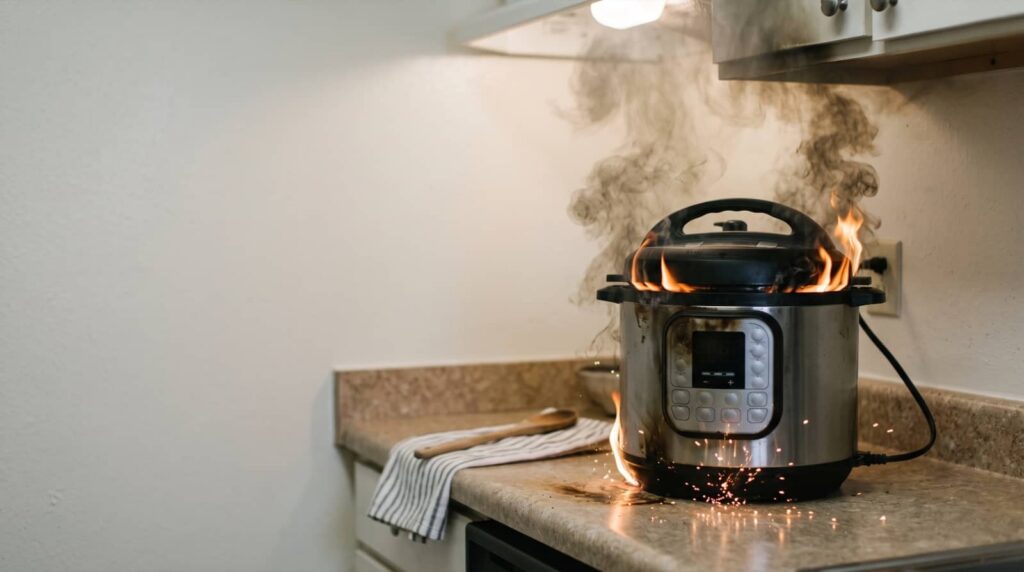
You might think smoke damage cleanup is overwhelming, but breaking it down into manageable steps makes it achievable. First, understanding the specific issues smoke damage presents is essential for effective remediation. From evaluating affected areas to employing proper cleaning techniques, every detail matters. You’ll need to navigate health risks and odor removal strategies carefully. Let’s explore how you can tackle this process systematically and restore your home safely.
Key Takeaways
- Conduct a thorough visual inspection of affected surfaces and document findings with photos for insurance claims.
- Remove and dispose of contaminated materials that cannot be salvaged, ensuring proper ventilation.
- Clean surfaces using a vinegar and water mixture, and treat carpets with baking soda before vacuuming.
- Utilize an ozone generator for persistent odors, adhering strictly to safety guidelines during use.
- Hire professionals for severe damage or lingering health concerns to ensure comprehensive cleanup and safety.
What Is Smoke Damage and Why Does It Matter?
Smoke damage isn’t just a lingering odor; it’s a complex issue that can compromise your home’s integrity and your health. When a fire occurs, the smoke permeates surfaces, leaving behind toxic residues that can affect indoor air quality.
You mightn’t realize it, but these residues can cause respiratory problems and trigger allergies. Understanding the smoke damage cleanup process after a fire is critical for restoring safety and comfort in your home.
It involves cleaning visible soot and addressing hidden contaminants. You need to ensure thorough ventilation and professional-grade cleaning products to effectively tackle the issue.
Prioritizing this process is crucial for your well-being and the long-term health of your living space, fostering a sense of safety and belonging.
How to Assess the Extent of Smoke Damage
To assess smoke damage effectively, you’ll need to employ specific techniques that reveal the extent of the issue.
Start with a thorough visual inspection, paying close attention to surfaces, and follow up with odor assessments to gauge lingering effects.
Finally, evaluate any surface damage to determine the necessary cleanup steps and restoration efforts.
Visual Inspection Techniques
When you begin the visual inspection for smoke damage, it’s crucial to approach the task methodically to ensure no area is overlooked.
Start by examining walls, ceilings, and corners, noting discoloration or soot deposits. Use a flashlight to reveal hidden damage, especially in crevices and behind appliances.
Pay close attention to materials like wood and fabric, which absorb smoke more readily. Don’t forget to check HVAC systems, as they can circulate harmful particles throughout your home.
Document your findings with photos and notes to help in the cleanup process.
Odor Assessment Methods
After identifying visible signs of smoke damage, the next step involves evaluating the lingering odors that can permeate your home.
Start by walking through each room, taking deep breaths to detect any residual smoke smell. Pay attention to areas near the source of the fire, as these spots often harbor stronger odors.
Use a sniff test for fabrics, carpets, and upholstery, as they can absorb smoke particles. If you notice a persistent odor, consider using an ozone generator or air scrubber to help neutralize it.
Document your findings, noting which areas need further attention. By thoroughly examining these odors, you address a critical aspect of cleanup and help restore a sense of comfort and belonging to your home.
Surface Damage Evaluation
Evaluating surface damage is essential for understanding the impact of smoke on your home. You’ll need to assess various surfaces to determine the extent of the damage. Here’s how to approach it:
Inspect Walls and Ceilings: Look for discoloration, stains, or soot residue. These signs indicate how deeply smoke has penetrated the materials.
Check Fabrics: Examine curtains, upholstery, and clothing for odor and discoloration. Smoke can settle into fibers, requiring thorough cleaning or replacement.
Evaluate Hard Surfaces: Use a damp cloth to wipe surfaces. If soot or residue transfers, it’s a clear sign of damage needing professional attention.
First Steps for Smoke Damage Cleanup
When you start the smoke damage cleanup, first assess the extent of the damage to understand what you’re facing.
Prioritize safety by wearing protective gear and ensuring proper ventilation in the area.
Once you’re set, gather the necessary supplies to tackle the cleanup effectively.
Assess The Damage
Smoke damage cleanup begins with a thorough assessment of the affected areas. You’ll want to identify the extent of the damage to ensure a detailed recovery plan.
Start by examining these key areas:
Walls and Ceilings: Look for discoloration, soot, and structural integrity. Smoke often penetrates porous materials, making them vulnerable.
Furniture: Check upholstered items and wood surfaces for signs of smoke residue. Restoration might be necessary.
Air Quality: Test for lingering odors and smoke particles. Poor air quality can lead to health issues if not addressed.
Document your findings, as this information will guide your cleanup and restoration efforts.
Safety Precautions First
After evaluating the damage, the next step is prioritizing safety throughout the cleanup process.
Start by ensuring the area is well-ventilated. Open windows and doors to minimize smoke residue and fumes.
Wear protective gear—gloves, masks, and goggles—to shield yourself from harmful particles and irritants.
Be cautious of structural damage; check for unstable walls or ceilings before entering. If the fire involved electrical appliances, turn off the power to prevent shocks.
Don’t forget to keep a first aid kit handy in case of minor injuries.
Gather Necessary Supplies
Before diving into the cleanup, it’s crucial to gather the right supplies to tackle smoke damage effectively. Having the right tools will make the process smoother and help you feel more in control during this challenging time.
Here’s a list of three key items you’ll need:
Protective Gear: Masks, gloves, and goggles to shield yourself from harmful particles.
Cleaning Solutions: Specialized smoke damage cleaners and deodorizers to eliminate soot and odors.
Absorbent Materials: Rags and sponges for wiping surfaces and soaking up residues.
With these supplies in hand, you’ll be better prepared to address the aftermath of smoke damage.
Safety Precautions for Cleanup
When dealing with smoke damage cleanup, prioritizing safety is essential to protect yourself and others in the vicinity.
Start by wearing protective gear, including gloves, masks, and goggles, to shield yourself from harmful particles. Make certain the area is well-ventilated; open windows and use fans to help disperse toxic fumes.
Avoid using electrical equipment or appliances until you’re confident they’re safe, as they can pose fire hazards. Be cautious of structural damage; check for weak floors or walls before entering.
Keep a fire extinguisher nearby, just in case. Finally, don’t hesitate to reach out for help if the situation feels overwhelming; community support can be invaluable during such a challenging time.
Your safety is paramount.
Must-Have Tools for Cleaning Smoke Damage
When tackling smoke damage, having the right tools is vital for an effective cleanup.
You’ll need essential cleaning supplies like specialized detergents and strong vacuums, along with protective gear to keep you safe from harmful residues.
Ensuring you’re equipped with these items can make a significant difference in restoring your space.
Essential Cleaning Supplies
To effectively tackle smoke damage, having the right cleaning supplies on hand is essential for restoring your space and ensuring safety.
You’ll need to gather a few key items to make the cleanup process manageable and thorough.
Activated Charcoal – This is invaluable for absorbing odors that linger after a fire.
Heavy-Duty Cleaners – Look for cleaners specifically designed to cut through soot and residue.
Microfiber Cloths – These are perfect for dusting and wiping surfaces without scratching.
With these supplies, you’ll feel more empowered to reclaim your home.
Protective Gear Required
Cleaning smoke damage requires more than just effective cleaning supplies; it demands the right protective gear to keep you safe during the process.
First, wear a high-quality respirator mask to filter out harmful particles and chemicals. Safety goggles are essential to protect your eyes from irritants, while heavy-duty gloves shield your hands from contaminants and harsh cleaning agents.
Consider using coveralls to prevent soot from clinging to your clothes and skin. Sturdy boots with slip-resistant soles help you navigate hazardous areas safely.
Finally, if you’re dealing with extensive damage, a hard hat may be necessary to protect against falling debris.
Step-by-Step Guide to Smoke Damage Cleanup
Evaluating the extent of smoke damage is your first essential step in the cleanup process. Before you get started, take a moment to assess the affected areas. Here’s how to proceed:
Document the Damage: Use your phone or camera to take pictures of all affected areas. This helps with insurance claims and provides a clear record of the damage.
Remove Contaminated Materials: Start by clearing out any items that can’t be salvaged, such as burned furniture or damaged textiles. This will help prevent further contamination.
Ventilate the Area: Open windows and doors to let fresh air circulate. This helps reduce smoke odor and promotes a healthier environment for your cleanup efforts.
How to Get Rid of Smoke Odor?
Once you’ve assessed the damage, tackling smoke odor becomes essential for restoring your space.
Begin by ventilating your home; open windows and doors to let fresh air circulate.
Next, clean surfaces with a mixture of vinegar and water, which neutralizes odor effectively.
Don’t forget fabrics—wash curtains, pillow covers, and clothing.
For carpets and upholstery, sprinkle baking soda, let it sit for several hours, then vacuum to absorb lingering smells.
Consider using an ozone generator for persistent odors, but make sure you follow safety guidelines.
Finally, replace air filters and run your HVAC system to clear the air.
With patience and effort, you can reclaim your home and create a welcoming environment again.
When to Hire a Smoke Damage Restoration Expert
After tackling smoke odor, you might find that some damage requires more than just DIY efforts.
If you’re feeling overwhelmed or unsure, it’s time to contemplate hiring a smoke damage restoration expert.
Here are three signs that professional help is essential:
Severe Structural Damage: If you notice charring or compromised walls, a professional can assess and repair structural integrity.
Persistent Odors: If smoke smells linger despite your best efforts, experts use specialized equipment to eliminate odors completely.
Health Concerns: If you or your family experiences respiratory issues, professionals can ensure that toxins are removed and indoor air quality is restored.
Hiring experts speeds up recovery and ensures your home is safe and healthy for you and your loved ones.
Tips for Preventing Future Smoke Damage
To effectively prevent future smoke damage, it’s essential to establish proactive measures that protect your home from potential fire hazards.
Start by installing smoke detectors on every level of your home and testing them monthly. Create and practice a fire escape plan to ensure everyone knows how to respond in an emergency.
Keep a fire extinguisher in easily accessible locations, especially in the kitchen and near any heat sources. Regularly inspect and maintain your electrical systems, avoiding overloading outlets.
Be cautious with candles and never leave them unattended. Finally, consider investing in fire-retardant materials for your home.
Resources for Support After a House Fire
Recovering from a house fire can be overwhelming, but several resources are available to support you in this challenging time.
Here are three key options to evaluate:
- Local Red Cross: They provide emergency assistance, shelter, and emotional support.
Contact them for immediate help and resources.
- Community Organizations: Many local charities and churches offer support in the form of clothing, food, and financial assistance.
Don’t hesitate to reach out to them.
- Mental Health Services: Coping with trauma is essential.
Look for counselors or support groups that specialize in disaster recovery to help you process your emotions.
Frequently Asked Questions
How Long Does Smoke Damage Cleanup Typically Take?
Smoke damage cleanup typically takes anywhere from a few days to several weeks, depending on the extent of the damage.
You’ll need to assess the area, remove affected materials, and properly clean surfaces.
It’s vital to address lingering odors and residue, which can add time.
Remember, this process isn’t just about restoring your space; it’s about reclaiming your comfort and peace of mind.
You’re not alone in this—it’s a journey toward healing.
Will My Insurance Cover Smoke Damage Restoration Costs?
Yes, your insurance might cover smoke damage restoration costs, but it depends on your policy.
You should review your coverage details; typically, policies include provisions for fire and smoke damage. If you’re unsure, contacting your insurance agent can clarify what’s covered.
Documenting the damage and restoration efforts can strengthen your claim.
It’s understandably stressful, so don’t hesitate to lean on your support network during this challenging time. You’re not alone in this.
Can I Stay in My Home During Cleanup?
You wouldn’t want to walk through a foggy forest without a map, right?
Staying in your home during cleanup can be risky. It’s often best to vacate, as the lingering smoke and chemicals can harm your health.
Professionals need access to assess and restore your space properly. Your safety matters, and ensuring a thorough job will help you return to a home that feels welcoming again.
Prioritize your well-being during this challenging time.
What Are the Health Risks of Smoke Damage?
Smoke damage poses serious health risks, including respiratory issues, skin irritation, and potential long-term effects like lung disease.
You might experience headaches, dizziness, or worsening allergies due to lingering toxins and particulate matter.
Even if you don’t notice immediate symptoms, prolonged exposure can be harmful.
It’s essential to prioritize your health and ensure proper cleanup to eliminate these hazards.
Don’t hesitate to seek professional help if you’re unsure about safety.
How Can I Prevent Smoke Damage in the Future?
To prevent smoke damage in the future, make sure you regularly check and maintain your smoke detectors.
Create and practice an escape plan with your family, ensuring everyone knows what to do in case of a fire.
Avoid overloading electrical outlets and keep flammable materials away from heat sources.
Consider using fire-retardant materials in your home.
Being proactive protects your space and gives you peace of mind for your loved ones.
Wrap-Up
In the aftermath of a house fire, tackling smoke damage is like reclaiming a piece of your home’s heart. By following the cleanup steps and using the right tools, you can begin to breathe life back into your space. Remember, it’s not just about removing soot and odors; it’s about restoring comfort and safety. If the task feels overwhelming, don’t hesitate to reach out for professional help—your peace of mind is worth every effort.