
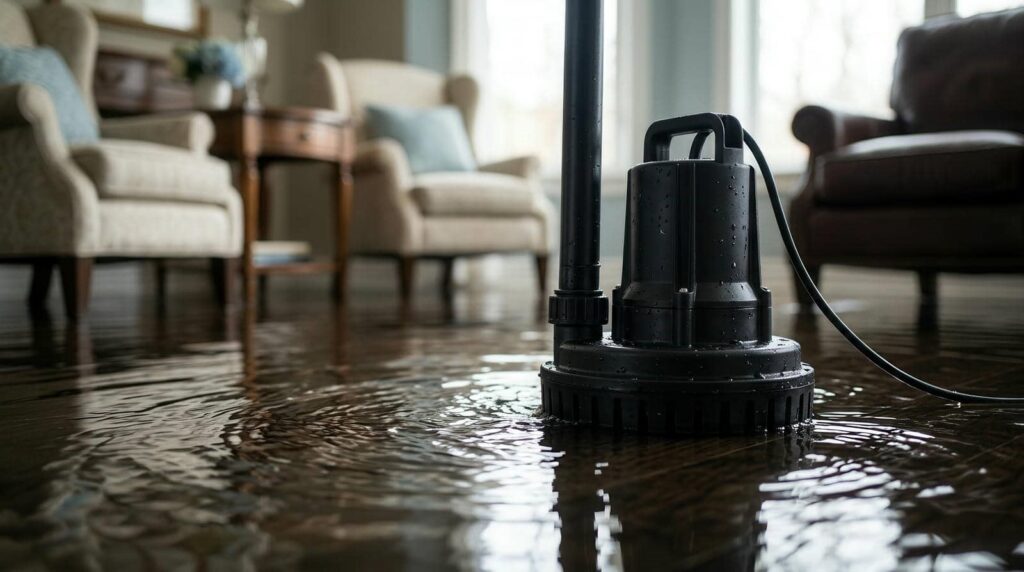
Water damage can compromise your home’s integrity in a matter of minutes. When faced with such an emergency, knowing the right steps to take is essential for effective recovery. From shutting off utilities to documenting the water damage repair for insurance, each action you take plays a critical role. Understanding these processes not only helps mitigate immediate hazards but also prepares you for future incidents. Let’s explore the necessary steps to guarantee your home remains safe and secure.
Key Takeaways
- Identify the source of water damage by inspecting for leaks and documenting findings for insurance purposes.
- Turn off utilities to prevent electrical hazards and minimize further damage during assessment.
- Remove standing water quickly using pumps and wet vacuums to protect belongings and create a safer environment.
- Dry affected areas thoroughly with fans and dehumidifiers, ensuring hidden spaces are also addressed.
- Document all damage meticulously for insurance claims and implement preventive measures to avoid future incidents.
Identify the Source of Water Damage
Before you can effectively address water damage, it’s essential to identify its source. Start by inspecting your home for visible leaks, damp spots, or water pooling in areas like basements or around appliances.
Check plumbing fixtures, roofs, and windows, as these are common culprits. Pay attention to any signs of mold or mildew, which indicate prolonged exposure to moisture.
By pinpointing the source, you can take the necessary emergency water damage repair steps. Document your findings with photos for insurance purposes, and don’t hesitate to involve professionals if the issue is beyond your skill set.
This proactive approach not only minimizes damage but also fosters a sense of community, as you’re taking steps to protect your home and loved ones.
Turn Off Utilities Before Assessing Damage
Before evaluating any water damage, it’s essential to turn off your utilities to guarantee safety.
Start by switching off the power at your circuit breaker and locating the main water valve to prevent further flooding.
Don’t forget to check for any gas line risks, as these can present additional hazards.
Safety First: Power Off
When faced with water damage, it’s crucial to prioritize safety by turning off utilities before you begin evaluating the situation.
Start by locating your main electrical panel and switching off the power to prevent electrical hazards. Water and electricity don’t mix, and even small amounts of water can create dangerous conditions.
Next, turn off the gas supply to avoid potential explosions or leaks. If you’re unsure where these controls are, consult your home’s manual or contact a professional for guidance.
Remember, securing your environment is essential for your safety and for those around you.
Once you’ve confirmed everything’s powered down, you can safely assess the damage and plan your next steps without risking injury or further complications.
Locate Main Water Valve
After ensuring the electricity and gas are turned off, the next step involves locating your main water valve. This valve is essential in controlling the water supply to your home, and finding it quickly can prevent further damage.
Typically, you’ll find the main water valve near where the water line enters your home, often in the basement, crawl space, or outside near the foundation.
The valve can be a round wheel or a lever. If it’s a wheel, turn it clockwise to shut off the water. If it’s a lever, move it perpendicular to the pipe.
Familiarizing yourself with its location and operation ahead of time can save you valuable minutes during an emergency.
Assess Gas Line Risks
To guarantee your safety, evaluating gas line risks is essential once utilities are turned off.
Gas leaks can pose serious hazards, so examining your home’s gas lines is critical. Here’s what to check:
- Visible Damage: Look for any obvious signs of damage to pipes or connections.
- Unusual Odors: Be alert for any smells resembling rotten eggs, which may indicate a leak.
- Hissing Sounds: Listen for any hissing noises that could suggest escaping gas.
If you detect any issues, evacuate immediately and contact your local gas company.
Remember, your safety and that of your loved ones is paramount.
Taking these steps helps guarantee you’re protecting not just your home, but your community as well.
Evaluate the Extent of the Damage
Evaluating the extent of the damage is essential in any water-related emergency. Start by inspecting all affected areas, including walls, floors, and ceilings. Look for discoloration, warping, or mold growth, which indicates moisture intrusion.
Check for structural integrity; soft or crumbling surfaces can signal severe damage. Don’t forget to assess hidden spaces, like basements or crawl spaces, where water might accumulate unnoticed.
Using a moisture meter can help you gauge saturation levels in materials. Document your findings with photos and notes, as this information will be valuable for insurance claims.
Finally, prioritize areas most at risk for mold or structural failure. By thoroughly evaluating the damage, you’ll be better prepared to take the necessary steps toward effective repair.
Remove Standing Water Quickly
Once you’ve assessed the extent of the damage, the next step is to remove standing water quickly. Swift action is essential to prevent further destruction and mold growth. Use pumps and wet vacuums to extract as much water as possible, ensuring you’re addressing all affected areas.
- You’ll protect your belongings from irreversible damage.
- You’ll create a safer environment for your family.
- You’ll minimize the stress and anxiety that comes with water damage.
Acting fast not only safeguards your home but also fosters a sense of community. When you take charge in these situations, you’re not just preserving your space; you’re also reinforcing the bonds with those who share it.
Best Tools for Water Removal
When tackling water removal, having the right tools is vital to efficiency and effectiveness.
You’ll need essential equipment for extraction, protective gear to guarantee your safety, and drying tools to complete the job.
Understanding these components will help you manage water damage more effectively.
Essential Water Extraction Equipment
Effective water extraction relies on specialized equipment designed to remove standing water quickly and efficiently.
Using the right tools not only protects your home but also helps you regain peace of mind during a stressful situation.
Here are three essential items you’ll need:
- Submersible Pumps: These powerful devices remove large volumes of water swiftly, preventing further damage.
- Wet/Dry Vacuums: Versatile and portable, they’re perfect for tackling smaller puddles and debris.
- Dehumidifiers: Essential for drying out spaces, they help prevent mold growth and restore comfort.
Investing in this equipment guarantees you’re prepared to tackle water damage effectively, fostering a sense of security and belonging in your home.
Protective Gear Necessities
Water damage can pose serious health risks, making protective gear essential for anyone involved in the cleanup process.
Start with waterproof gloves to shield your hands from contaminants and irritants. A sturdy mask is vital; it’ll protect you from mold spores and airborne pathogens. Goggles are also important—they’ll keep your eyes safe from splashes and debris.
Don’t forget sturdy, waterproof boots; they’ll prevent slips and keep your feet dry. Depending on the severity of the situation, consider wearing coveralls to protect your skin and clothing from harmful materials.
Having the right protective gear not only guarantees your safety but also boosts your confidence as you tackle the water damage effectively. Equip yourself and face the challenge head-on.
Drying Tools Overview
Four essential tools can greatly enhance your water removal efforts after a flood or leak.
Using the right equipment not only speeds up the drying process but also helps prevent further damage to your home.
- Wet/Dry Vacuum: This tool efficiently removes standing water, making it your first line of defense.
- Air Movers: These powerful fans circulate air, speeding up evaporation and drying out surfaces.
- Dehumidifier: By reducing humidity levels, this tool prevents mold growth and creates a healthier environment.
Investing in these tools can make a significant difference in your recovery efforts.
You’ll feel empowered, knowing you’re taking the right steps to protect your home and restore your space.
Act quickly, as time is of the essence in water damage situations.
Effective Water Damage Drying Techniques
When dealing with water damage, timely and efficient drying techniques are vital to prevent further complications like mold growth and structural damage.
Start by removing standing water using a wet/dry vacuum or a pump. Next, increase air circulation; open windows and doors to promote airflow.
Use fans and dehumidifiers to reduce humidity levels effectively. It’s imperative to target hidden areas, such as behind walls and under floors, with specialized equipment to guarantee complete drying.
Monitor moisture levels with a hygrometer to assess your progress.
Finally, be patient—fully drying a space can take time, but these techniques will help safeguard your home and restore it to a safe environment.
Inspect for Mold and Act Quickly
After confirming that the affected areas are thoroughly dried, the next step is to inspect for mold. Mold can grow quickly in damp conditions, and acting fast is vital to protect your home and loved ones.
Here’s what to look for:
- Musty odors: A strong, unpleasant smell can indicate hidden mold.
- Discoloration: Look for black, green, or white spots on walls, ceilings, and floors.
- Health symptoms: If you or your family experience coughing, sneezing, or skin irritation, it’s time to investigate.
Don’t wait; mold can pose serious health risks. If you find any signs, consider consulting a professional to guarantee thorough removal and prevent future growth.
Protecting your home means safeguarding your family’s well-being.
How to Document Damage for Insurance Claims
To guarantee you receive the maximum compensation for water damage, documenting the extent of the damage is essential.
Start by taking clear, high-resolution photos of affected areas, capturing both wide shots and close-ups. Note the date and time of the incident, and make sure you photograph any visible mold or structural damage.
Create a detailed inventory of damaged items, including descriptions, purchase dates, and estimated replacement costs. Keep receipts for any emergency repairs or mitigation efforts you’ve undertaken.
If possible, obtain a professional assessment of the damage. Finally, organize all documentation chronologically and store it in a safe place.
This thorough documentation will support your insurance claim and help expedite the process, making certain you receive the compensation you deserve.
Prevent Future Water Damage
While water damage can strike unexpectedly, taking proactive measures can greatly reduce your risk.
By implementing a few simple strategies, you can protect your home and your peace of mind.
- Regularly inspect plumbing: Check for leaks and wear to prevent small issues from escalating.
- Install sump pumps: These devices can help manage excess water during heavy rainfall.
- Seal windows and doors: Proper sealing keeps out moisture and reduces vulnerability.
Frequently Asked Questions
How Can I Tell if My Home Is at Risk for Water Damage?
You can tell if your home is at risk for water damage by inspecting for leaks, damp spots, or mold growth in areas like basements, bathrooms, and around windows.
Check your roof for missing shingles and make sure gutters are clear.
Notice any musty odors, which often indicate hidden moisture.
If your home’s foundation has cracks or pooling water nearby, it’s vital to address these issues promptly to prevent further damage.
What Should I Do if I Can’T Find the Water Source?
If you can’t find the water source, start by checking common areas like under sinks, behind appliances, and in the attic or basement.
Inspect walls for discoloration or bulging, which could indicate hidden leaks.
Turn off your water supply and monitor your water meter for changes.
If the problem persists, consider hiring a professional. They’ve tools like moisture meters and infrared cameras to pinpoint the source effectively.
Don’t hesitate to seek help.
How Long Does It Take for Water Damage to Become Severe?
Water damage can become severe within 24 to 48 hours. If moisture isn’t addressed quickly, it leads to structural damage, mold growth, and health risks.
You’ll notice warning signs like discoloration, musty odors, or warped materials. It’s essential to act fast; the longer you wait, the more extensive the damage becomes.
Regular inspections and prompt responses can help you mitigate issues and maintain a safe, healthy living environment for everyone in your home.
Can I Use a Regular Vacuum for Water Removal?
No, you shouldn’t use a regular vacuum for water removal. Standard vacuums aren’t designed to handle liquids and can short-circuit or get damaged.
Instead, opt for a wet/dry vacuum, which can safely suck up water and debris without risking malfunction.
If you’re dealing with significant water damage, consider professional help for effective and safe removal.
Taking the right approach now can save you time and costs down the line.
What Are the Signs of Hidden Water Damage in My Home?
Hidden water damage often whispers before it shouts.
Look for stained walls or ceilings, bubbling paint, and warped flooring—these are red flags waving at you.
Musty odors may cling to the air, hinting at mold growth, while increased water bills can signal leaks lurking behind the scenes.
Your home deserves attention; stay vigilant and trust your instincts.
Recognizing these signs early can save you from greater headaches down the road.
Final Thoughst
In the aftermath of water damage, acting swiftly is like guiding a ship through a storm—timely decisions can steer you to safety. By identifying the source, turning off utilities, and removing water quickly, you minimize risks and protect your home. Remember, thorough documentation is crucial for insurance claims, and vigilance against mold is essential. By taking proactive steps now, you can safeguard your home from future deluges, ensuring a stable foundation for years to come.