
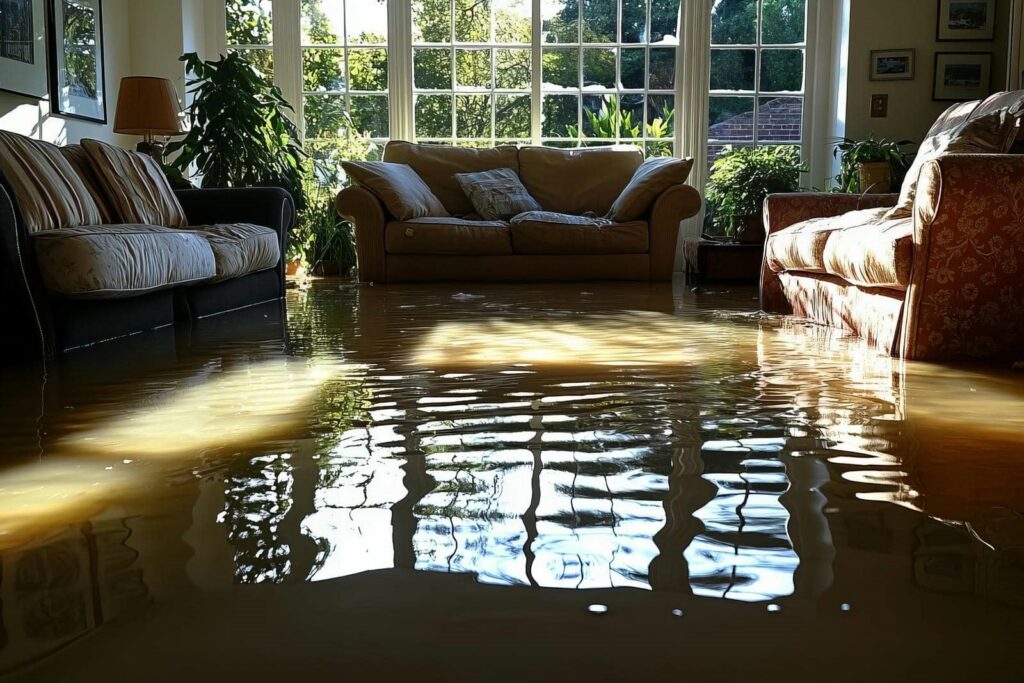
Imagine your home as a delicate ecosystem, where even a small leak can disrupt the balance. Water damage can escalate quickly, threatening structural integrity and promoting mold growth. You need a systematic approach to restore your space effectively. From evaluating the damage to implementing preventive measures, each step plays an essential role. Are you prepared to tackle the complexities of the restoration process and ensure your home remains safe and secure?
Key Takeaways
- Assess the extent of water damage by inspecting affected areas and using moisture meters to identify hidden pockets of water.
- Extract standing water using appropriate equipment, such as wet/dry vacuums or commercial-grade pumps, for efficient removal.
- Implement drying and dehumidification techniques with fans and dehumidifiers to prevent mold growth after extraction.
- Clean and disinfect affected surfaces with EPA-approved products, removing damaged materials and thoroughly drying the space.
- Conduct regular home maintenance, including plumbing inspections and gutter cleaning, to prevent future water damage incidents.
What You Need to Know About Water Damage
Water damage can occur suddenly, whether from a burst pipe or severe weather, and understanding its implications is vital for effective restoration.
First, recognize that water can quickly spread, leading to structural damage and mold growth. You’ll want to categorize the water type—clean, gray, or black—as this affects the water damage restoration process explained.
Next, assess the affected areas and materials, noting which can be salvaged. It’s important to act promptly; delay can exacerbate damage and increase costs.
Always prioritize safety by wearing protective gear and making sure electrical systems are deactivated.
Engaging professionals who can navigate this technical landscape ensures a thorough and efficient restoration, providing peace of mind as your living space returns to its original condition.
The Initial Response: How to Assess Water Damage
When you encounter water damage, swift action is essential to mitigate further issues.
Begin by evaluating the extent of the damage. Inspect visible areas, checking walls, floors, and ceilings for discoloration, warping, or mold growth. Use a moisture meter to measure the humidity levels; this helps identify hidden water pockets. Document your findings with photos and notes for insurance claims.
Make sure you safely disconnect electrical appliances and review any structural damage for safety. Don’t forget to check for potential sources of water intrusion, such as leaking pipes or roof issues.
Steps to Extract Standing Water
To effectively extract standing water, you first need to assess the water levels in the affected area.
This evaluation helps you determine the best extraction equipment to use for efficient removal.
Once you’ve identified the situation, you can proceed with the appropriate tools to minimize further damage.
Assessing Water Levels
In evaluating water levels, it’s essential to thoroughly analyze the extent of standing water in the affected area. Start by identifying the deepest points where water accumulates, as this will inform your extraction strategy.
Use a measuring tool or mark levels on walls to gauge how high the water rises. Pay attention to any structural damage or potential hazards, such as electrical systems that could be compromised. Document the measurements for future reference.
Assess the surrounding materials, like flooring and drywall, to determine their saturation levels, which can affect drying times. By methodically evaluating these factors, you can create an effective plan for extraction, ensuring you address both immediate and long-term restoration needs.
Using Extraction Equipment
Begin the extraction process by selecting the appropriate equipment tailored to the volume of standing water. If you’re dealing with a small area, a wet/dry vacuum may suffice. For larger spaces, consider commercial-grade pumps to efficiently remove water.
Make certain your equipment is in good working condition, as performance directly impacts your restoration timeline.
Next, position the extraction tools strategically to maximize efficiency. Start from the farthest point of the affected area and work your way toward the exit. This method prevents water from spreading to dry zones.
Monitor water levels closely; switch tools if necessary. Once extraction is complete, don’t forget to clean and sanitize your equipment, making sure it’s ready for future use and maintaining a safe environment for everyone involved.
Drying and Dehumidification to Prevent Mold
After extracting standing water, you need to focus on rapid drying to prevent mold growth.
Utilizing effective dehumidification techniques is essential for removing moisture from the air and materials.
Regularly monitoring humidity levels will ensure a controlled environment, minimizing the risk of mold proliferation.
Importance of Rapid Drying
While water damage can occur suddenly, the significance of rapid drying can’t be overstated. When moisture lingers, it creates an ideal environment for mold growth, which can jeopardize your health and property. To prevent this, you should initiate drying as soon as possible.
Use high-capacity fans and dehumidifiers to reduce humidity levels effectively. Check hidden areas—like behind drywall or under flooring—since moisture can accumulate unnoticed.
Consistent monitoring of moisture levels is vital; use moisture meters to ensure your efforts are effective. Remember, the sooner you tackle the drying process, the less likely you’ll face costly repairs or health issues later.
Your proactive approach can make all the difference in maintaining a safe, healthy living environment.
Dehumidification Techniques Explained
Effective dehumidification techniques are vital in the water damage restoration process to prevent mold growth. You’ll want to focus on removing excess moisture quickly and efficiently.
Here are some key techniques to take into account:
Use of Dehumidifiers: These machines extract moisture from the air, reducing humidity levels considerably.
Ventilation: Increasing air circulation helps moisture evaporate faster, especially in enclosed spaces.
Heat Application: Using heaters can accelerate the drying process by warming the air, allowing it to hold more moisture.
Combining these methods creates an environment less conducive to mold.
Always monitor the area during this process to ensure effectiveness. By implementing these techniques, you’re taking considerable steps toward restoring your space safely and effectively.
Monitoring Humidity Levels
If levels are too high, activate dehumidifiers to draw excess moisture from the air.
This process not only aids in drying but also helps create an environment less conducive to mold proliferation.
Be vigilant; mold can begin to develop in as little as 24-48 hours if conditions are right.
Effective Cleaning and Sanitizing Techniques for Water-Damaged Areas
When water infiltrates your property, addressing the affected areas with thorough cleaning and sanitizing techniques is essential to prevent mold growth and further damage.
Start by removing any standing water using pumps or wet vacuums. Once the area is dry, follow these steps:
- Use a high-efficiency particulate air (HEPA) filter vacuum to capture dust and spores.
- Apply EPA-approved disinfectants to surfaces, ensuring you follow the manufacturer’s guidelines for effectiveness.
- Utilize dehumidifiers to maintain low humidity levels, inhibiting mold growth.
Water Damage Repair and Restoration: Reviving Your Home
Restoring your home after water damage requires a systematic approach to ensure thorough repair and prevent future issues.
Begin by evaluating the extent of the damage, identifying affected areas like walls, flooring, and insulation. Remove any damaged materials, making sure you follow safety protocols to protect yourself from mold or structural hazards.
Next, focus on drying out the space using high-powered fans and dehumidifiers, which are essential in preventing further deterioration.
Once everything is dry, repair or replace damaged structures, such as drywall or flooring, and apply appropriate sealants to protect against moisture.
Finally, conduct a thorough inspection to verify all repairs are complete, and consider consulting professionals for any lingering concerns.
Your home deserves meticulous care in this vital restoration phase.
Preventing Future Water Damage: Essential Tips
Although water damage can strike unexpectedly, you can take proactive steps to minimize your risk. Implementing these essential tips can help safeguard your home:
Regularly inspect plumbing: Check for leaks and corrosion in pipes, especially in high-risk areas like basements and kitchens.
Maintain gutters and downspouts: Verify they’re clear of debris to prevent overflow that can lead to foundation damage.
Install a sump pump: This is particularly useful in flood-prone areas, providing an extra layer of protection against excess water.
Frequently Asked Questions
How Long Does the Entire Restoration Process Typically Take?
The entire restoration process typically takes anywhere from a few days to several weeks, depending on the extent of the damage.
You’ll see initial assessment and water removal happening within the first 24-48 hours.
After that, drying and dehumidification can take another few days.
Finally, repairs and restoration might take additional time, especially if structural work is needed.
Staying informed throughout ensures you understand each step and its timeline.
What Are Common Causes of Water Damage in Homes?
Water damage in homes often stems from leaking roofs, burst pipes, or overflowing toilets, turning your sanctuary into a soggy nightmare.
You might also face issues from faulty appliances or heavy rain, where water seeps through cracks and crevices.
Mold may quickly follow if you don’t act fast. Understanding these common culprits helps you stay vigilant, ensuring your home remains a place of comfort and safety for you and your loved ones.
Will My Insurance Cover Water Damage Restoration Costs?
Yes, your insurance might cover water damage restoration costs, but it depends on your policy.
Most homeowners’ insurance covers sudden and accidental damage, like burst pipes or severe storms. However, it often excludes gradual damage, such as leaks.
You should review your policy details and speak with your insurance agent to clarify coverage limits and deductibles.
Documenting the damage is essential for your claim process, ensuring you receive the support you need.
Can I Handle Minor Water Damage Repairs Myself?
Yes, you can handle minor water damage repairs yourself. However, it’s vital to weigh your skills against the potential risks.
If you’re comfortable with tools and have some DIY experience, tackling small leaks or ceiling stains can be rewarding. Document the damage and use moisture meters to ensure everything’s dry.
But remember, if the damage seems extensive or mold develops, calling a professional is essential for your safety and peace of mind.
How Do I Choose a Reliable Water Damage Restoration Company?
To choose a reliable water damage restoration company, start by researching local options and reading customer reviews.
Verify their certifications and insurance coverage to ensure professionalism.
Ask for detailed estimates and compare their services.
Inquire about their equipment and techniques to gauge expertise.
A trustworthy company will provide clear communication and be willing to answer your questions.
Finally, trust your instincts; choose a team that makes you feel confident and supported.
Final Thoughts
Managing the water damage restoration process can feel overwhelming, but you can tackle it step by step. You might worry that it’s too complex or costly, but addressing issues promptly can save you time and money in the long run. By understanding each phase—from assessment to preventive measures—you’ll feel empowered to restore your home effectively. Remember, acting quickly and following these guidelines will help protect your space and peace of mind.